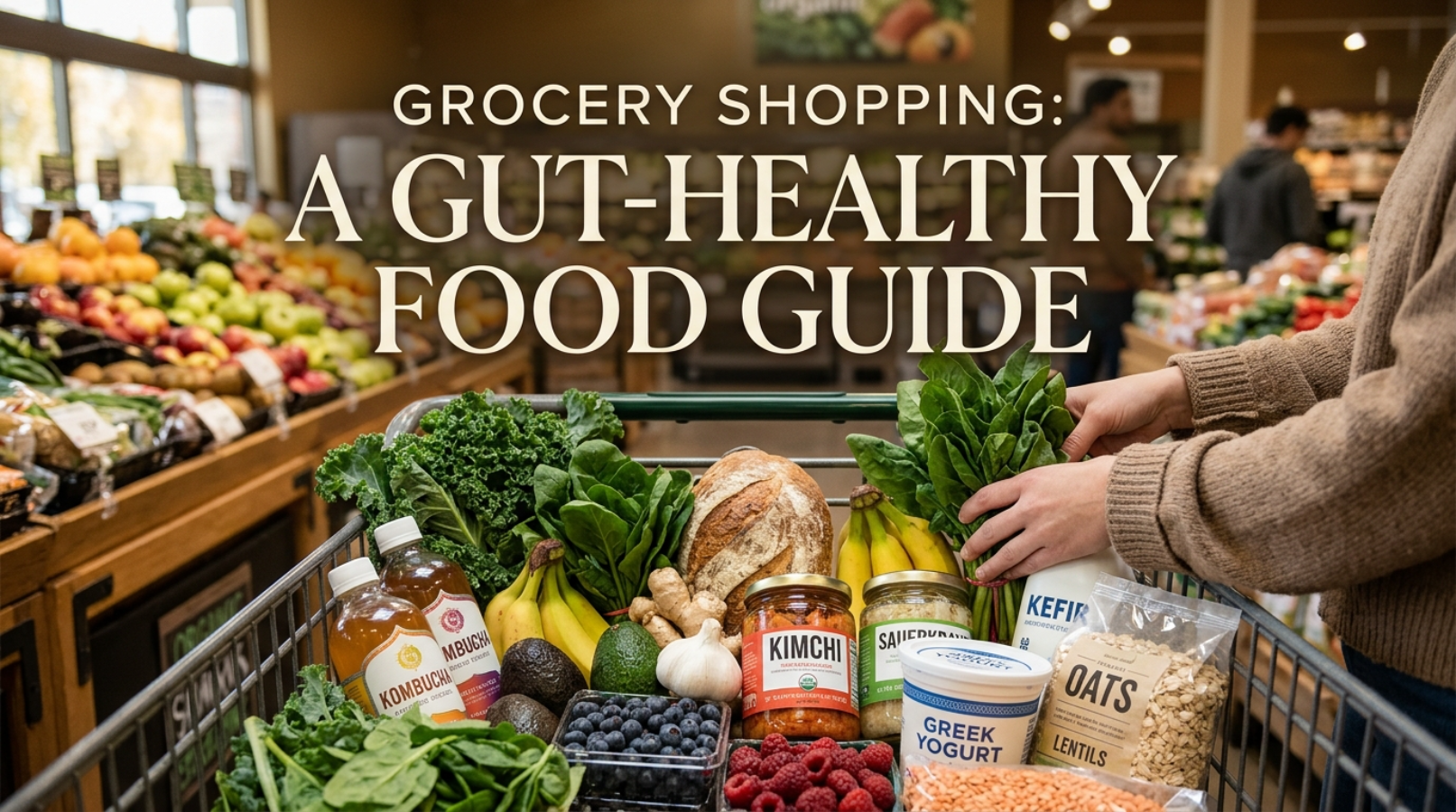
Grocery shopping becomes much easier when you know which foods provide the fiber, vitamins, and minerals your body needs. Instead of filling your cart with products that promise quick health benefits, focus on everyday ingredients that make balanced meals simple.
I find that a little planning before visiting the store can make a real difference. The Gutrova Copy Button also makes it easy to save useful food ideas from this guide and take them along on your next shopping trip.
Quick Answer: What Should You Buy During Grocery Shopping?
For healthier grocery shopping, choose a variety of fruits, vegetables, whole grains, beans, nuts, seeds, protein foods, and dairy or fortified alternatives. These foods provide nutrients that support normal digestion and overall health.
Prioritize fiber-rich foods, include sources of essential vitamins and minerals, and compare nutrition labels when buying packaged products. Fresh isn’t your only option, either. Frozen, canned, and dried foods can all fit into a balanced grocery list.
Grocery Shopping Starts With a Simple Food Plan
Walking into a supermarket without a plan can make it easy to buy more snacks and convenience foods than you intended. A short meal plan helps you shop with a purpose and avoid ingredients that might sit unused in the refrigerator.
Before leaving home, check your pantry, refrigerator, and freezer. You may already have oats, rice, canned beans, frozen vegetables, or other useful staples.
Next, think about the meals you want to prepare. You don’t need a complicated menu. Just plan a few breakfasts, lunches, dinners, and snacks using ingredients that can work in more than one recipe.
For example, a bag of spinach can go into an omelet, a lunch salad, or a dinner bowl. Similarly, cooked beans can become part of a soup, wrap, or grain bowl.
The USDA’s MyPlate grocery shopping guidance recommends planning meals, checking foods already available at home, and organizing shopping lists by food group. It also suggests comparing prices and using seasonal produce to save money.
Grocery Shopping for Fiber-Rich Foods
Fiber deserves a regular place on your shopping list because it supports digestive health and helps maintain bowel regularity. However, many shoppers overlook it when choosing packaged foods.
Instead of focusing only on calories, look for ingredients that naturally provide fiber.
Good options include:
- Whole grains: Oats, brown rice, whole-wheat bread, quinoa, and barley.
- Fruits: Apples, pears, oranges, raspberries, and blueberries.
- Vegetables: Broccoli, carrots, peas, Brussels sprouts, and leafy greens.
- Legumes: Lentils, chickpeas, black beans, and kidney beans.
- Nuts and seeds: Almonds, chia seeds, flaxseeds, and pumpkin seeds.
These foods also provide different vitamins, minerals, and plant compounds.
The NIDDK recommends getting fiber from foods such as whole grains, legumes, fruits, vegetables, and nuts. It also advises increasing fiber gradually and drinking enough fluids to help fiber work properly. <Cite refs={[“turn961025search8″,”turn961025search5”]}/>
One practical tip: If your usual meals contain very little fiber, don’t suddenly add large portions of beans, bran, and raw vegetables. Increase your intake gradually to give your digestive system time to adjust.
Grocery Shopping for Essential Vitamins
A colorful produce section can help you find foods that provide a wide range of vitamins. You don’t need to buy every fruit and vegetable available. Instead, choose several colors and rotate your selections throughout the week.
Here are some useful options.
Vitamin A
Carrots, sweet potatoes, spinach, kale, and other orange or dark green vegetables provide beta-carotene, which the body can convert into vitamin A.
Vitamin A supports normal vision, immune function, and cell growth.
Vitamin C
Oranges, strawberries, kiwi, bell peppers, and broccoli are useful sources of vitamin C. This vitamin supports immune function and helps the body produce collagen.
It also improves the absorption of iron from plant foods when eaten as part of the same meal.
Vitamin D
Vitamin D is found naturally in a limited number of foods. Fatty fish, egg yolks, and certain mushrooms provide some, while fortified milk and plant-based beverages can offer additional sources.
Check the packaging because fortification varies by product.
Vitamin B12
Fish, meat, eggs, milk, and other animal-based foods provide vitamin B12. Fortified cereals and fortified plant-based products can also help people who eat little or no animal food.
B12 has an interesting connection with digestion: the body needs stomach acid and a protein called intrinsic factor to absorb it properly.
Grocery Shopping for Important Minerals
Vitamins often get plenty of attention, but minerals are just as important when building a balanced food basket.
Here are four worth considering.
| Mineral | Foods to add to your cart | Why it matters |
|---|---|---|
| Magnesium | Pumpkin seeds, almonds, spinach, beans | Supports normal muscle and nerve function |
| Iron | Lentils, lean meat, beans, fortified cereals | Helps the body produce hemoglobin |
| Calcium | Yogurt, milk, fortified soy milk, kale | Supports bones and normal muscle function |
| Potassium | Potatoes, bananas, beans, spinach | Helps support fluid balance and muscle function |
You can also combine foods to make meals more nutritious. For example, serve lentils with tomatoes or bell peppers. The vitamin C in these vegetables helps your body absorb non-heme iron from plant foods.
Remember that individual nutrient needs vary. A varied diet is a sensible starting point, while supplements are best chosen based on a specific need rather than added automatically.
Grocery Shopping on a Budget: Fresh, Frozen, or Canned?
Healthy eating doesn’t have to mean buying expensive organic produce or filling your cart with premium products.
Fresh, frozen, and canned foods can all contribute to a nutritious diet. The best choice often depends on price, storage space, convenience, and how quickly you plan to use the food.
Fresh produce: Great for salads, snacks, and meals where texture matters. Choose seasonal options when possible because they may cost less.
Frozen vegetables and fruits: Convenient, easy to store, and useful when you don’t have time to prepare fresh produce. Look for options without added sauces or sweeteners.
Canned foods: Beans, tomatoes, vegetables, and fruit can be affordable pantry staples. Compare labels and choose lower-sodium vegetables or no-added-sugar fruit when available.
I like keeping frozen berries, broccoli, and mixed vegetables available. They make it easier to prepare a balanced meal even when the refrigerator looks nearly empty.
How to Read Food Labels During Grocery Shopping
The front of a package can make almost any product sound healthy. Words such as natural, multigrain, or high protein don’t tell you the complete nutritional story.
Turn the package around and check the Nutrition Facts label.
Start With Serving Size
The calories and nutrient amounts on the label refer to a specific serving. If you eat two servings, you consume twice the listed amounts.
This is particularly useful when comparing breakfast cereals, granola, snack bars, and packaged meals.
Check Dietary Fiber
When choosing bread, cereal, crackers, or other grain products, compare the dietary fiber per serving.
Also, look at the ingredient list. Whole wheat, oats, or another whole grain near the beginning can help you identify products made with whole-grain ingredients.
Compare Added Sugars and Sodium
Packaged yogurt, sauces, cereals, and flavored drinks can contain added sugars. Meanwhile, canned soups, deli meats, and prepared meals may contain considerable sodium.
The FDA recommends using the Nutrition Facts label to compare nutrients. As a general guide, 5% Daily Value or less is considered low, while 20% or more is considered high for a nutrient per serving. <Cite refs={[“turn961025search2″,”turn961025search3”]}/>
You don’t have to reject every product with added sugar or sodium. Simply compare similar products and choose the option that better fits your needs.
A Practical Grocery Shopping List for Gut Health
If you want a straightforward starting point, use this list as a guide. Adjust the quantities based on your household size, meal plans, budget, and food preferences.
Fruits and vegetables
- Apples
- Bananas
- Blueberries
- Oranges
- Spinach
- Broccoli
- Carrots
- Sweet potatoes
- Bell peppers
Whole grains
- Old-fashioned oats
- Brown rice
- Whole-wheat bread
- Quinoa
- Whole-grain pasta
Protein foods
- Eggs
- Chicken
- Salmon or canned tuna
- Lentils
- Chickpeas
- Black beans
- Tofu
Dairy and alternatives
- Plain yogurt
- Milk
- Calcium-fortified soy milk
- Plain fortified plant-based yogurt
Nuts, seeds, and pantry staples
- Almonds
- Pumpkin seeds
- Chia seeds
- Peanut butter
- Olive oil
- Canned tomatoes
- Low-sodium broth
This list offers a useful mix of fiber, protein, vitamins, minerals, and healthy fats. You can swap ingredients based on what’s available and affordable.
Common Grocery Shopping Mistakes to Avoid
Even with good intentions, a few shopping habits can make healthy eating harder.
Buying too much fresh produce: Large quantities may spoil before you use them. Buy realistic amounts and keep frozen alternatives available.
Choosing products based only on packaging: Attractive claims don’t replace the Nutrition Facts label or ingredient list.
Forgetting protein and healthy fats: A cart full of fruit and vegetables may still leave you without enough ingredients for satisfying meals. Add beans, eggs, fish, nuts, seeds, or other preferred protein foods.
Buying supplements instead of food: Vitamin and mineral supplements don’t replace the variety of nutrients found in whole foods. Purchase them when you have a clear reason to use them.
Shopping while hungry: This can make it harder to stick to your list. Have a snack before heading to the store if you tend to make impulse purchases.
FAQs About Grocery Shopping
What are the healthiest foods to buy for gut health?
Choose fiber-rich foods such as oats, beans, lentils, berries, apples, broccoli, and leafy greens. Yogurt with live cultures can also fit into a balanced diet if you enjoy dairy products.
What should I buy for vitamins and minerals?
Include colorful fruits and vegetables, whole grains, beans, nuts, seeds, eggs, fish, and dairy or fortified alternatives. Different foods provide different nutrients, so variety matters.
Are frozen vegetables as nutritious as fresh vegetables?
Frozen vegetables can be a nutritious choice. They offer convenience, last longer, and make it easier to keep vegetables available throughout the week. Compare products and choose options without unnecessary sauces or added salt.
How can I save money on healthy grocery shopping?
Plan meals, compare unit prices, buy seasonal produce, use store brands, and choose affordable staples such as oats, beans, lentils, eggs, and frozen vegetables.
Should I buy vitamins and minerals as supplements?
Not automatically. Many people can meet their nutritional needs through a varied diet. Supplements may be useful for specific needs, but high doses can cause problems, so choose them carefully.
Conclusion: Make Grocery Shopping Work for Your Gut
Healthy grocery shopping doesn’t require expensive products, complicated meal plans, or a cart full of supplements. Start with simple foods that provide fiber, vitamins, minerals, protein, and healthy fats.
Plan a few meals, compare food labels, choose fresh or frozen produce, and keep affordable staples in your pantry. Small changes to your regular shopping habits can make balanced eating easier throughout the week.
Found a food idea you want to use next time? Save it with the Gutrova Copy Button so you can revisit your favorite tips whenever you prepare your shopping list.
Strengthen the vitamins and minerals focusReduce repeated grocery shopping phrasing












1 thought on “Grocery Shopping: A Gut-Healthy Food Guide”