
Foods that cause bloating can leave you feeling sluggish, uncomfortable, and frustrated even after eating meals that seem healthy at first glance. Understanding which ingredients commonly trigger digestive discomfort can help you make smarter choices, identify personal patterns, and support a happier, healthier gut.
Our Copy Button feature lets you instantly save and share your favorite wellness tips so you can build better habits and help friends feel their best too. With one tap, you can collect one liner wellness tips, wellness captions, short gut health reminders, and viral gut wellness ideas to revisit anytime or post across your social channels.
Identify Common Foods That Cause Bloating
Some everyday foods naturally produce more gas during digestion. Recognizing these common triggers can help you personalize your wellness foods that cause bloating approach.
- Keep a simple food journal to track symptoms.
- Notice if bloating appears after large meals.
- Pay attention to portion sizes during dinner.
- Observe patterns after eating restaurant foods.
- Monitor symptoms after consuming beans.
- Track reactions to onions and garlic.
- Notice changes after eating broccoli or cauliflower.
- Limit heavily processed snacks during busy days.
- Identify foods that consistently trigger discomfort.
- Introduce new foods one at a time.
- Drink water throughout the day.
- Eat slowly to reduce swallowed air.
- Avoid lying down immediately after meals.
- Discuss persistent symptoms with a healthcare provider.
- Focus on patterns instead of isolated episodes.
Quick Gut Wellness Tip.
Bloating triggers vary from person to person. Tracking meals can reveal valuable insights. Small observations often lead to meaningful improvements.
Explore High Fiber Foods With Care
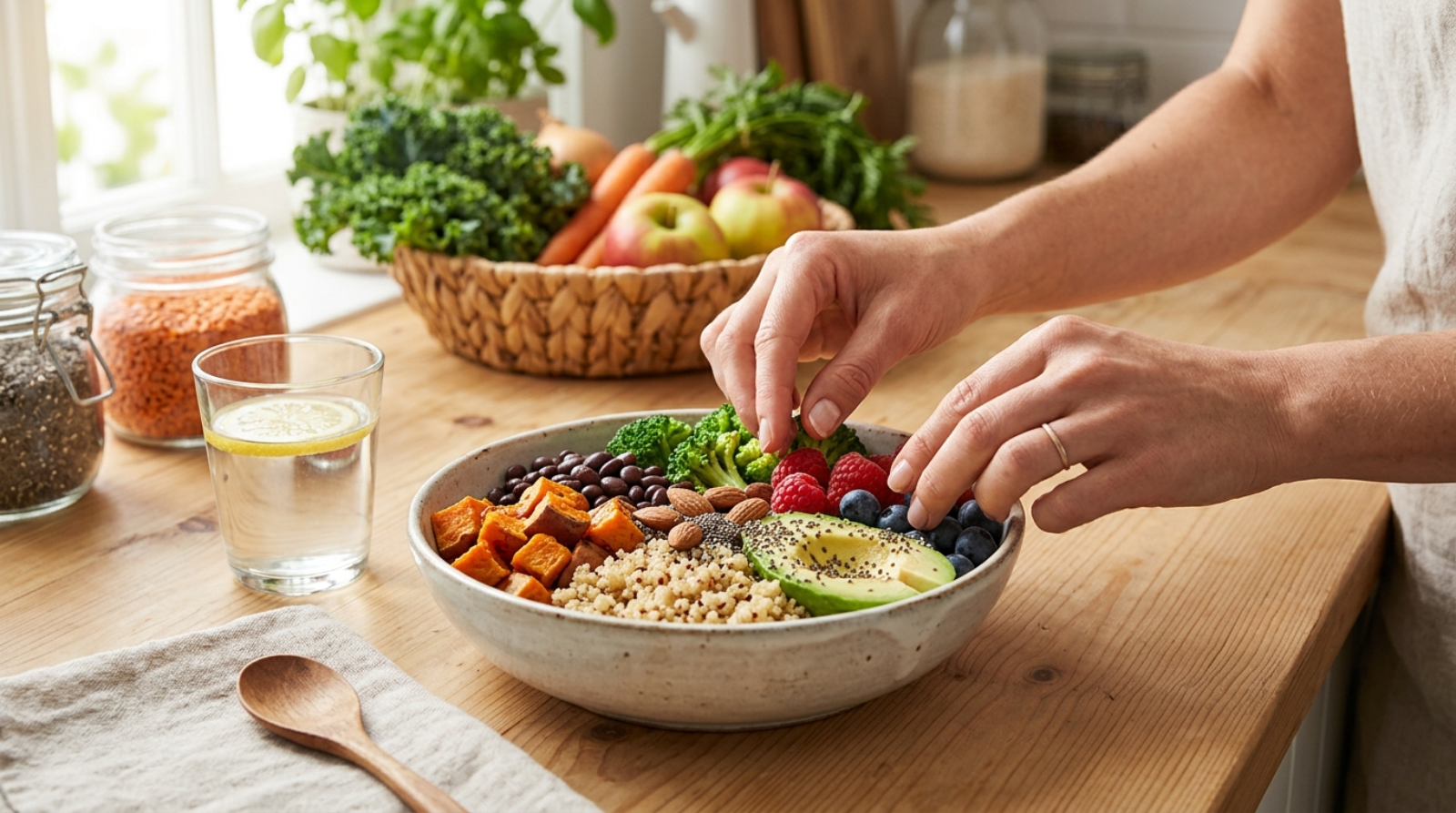
Fiber supports digestion, yet sudden increases may create temporary discomfort. Best foods that cause bloating health tips often involve adjusting fiber intake gradually.
- Increase fiber slowly over several weeks.
- Drink extra water when adding more fiber.
- Spread fiber intake across the day.
- Start with smaller portions of beans.
- Cook vegetables until tender for easier digestion.
- Choose oats for gentle soluble fiber.
- Add chia seeds gradually to meals.
- Soak dried legumes before cooking.
- Rinse canned beans thoroughly.
- Balance fiber rich foods with protein.
- Chew high fiber foods completely.
- Rotate different fiber sources weekly.
- Avoid doubling your fiber intake overnight.
- Listen to your body’s response.
- Adjust portions based on comfort.
Quick Gut Wellness Tip.
Fiber remains essential for gut health. Slow and steady changes support digestive comfort. Hydration helps fiber work smoothly.
Understand Dairy Related Digestive Triggers
Many adults experience digestive discomfort after consuming dairy products. Wellness foods that cause bloating often include milk based items that contain lactose.
- Notice symptoms after drinking milk.
- Compare reactions to yogurt and cheese.
- Try lactose free options when needed.
- Choose smaller dairy portions.
- Pair dairy with meals instead of eating it alone.
- Read ingredient labels carefully.
- Test one dairy food at a time.
- Keep track of timing and symptoms.
- Explore fortified plant based alternatives.
- Select yogurt with live cultures.
- Avoid consuming multiple dairy foods together.
- Watch for hidden dairy ingredients.
- Discuss concerns with a registered dietitian.
- Reintroduce foods gradually after elimination periods.
- Prioritize nutrient rich substitutes if reducing dairy.
Quick Gut Wellness Tip.
Lactose tolerance varies widely among adults. Tracking your response helps identify personal limits. Small adjustments can improve daily comfort.
Recognize Hidden Sugars and Sweeteners
Artificial sweeteners and excess added sugars can contribute to digestive discomfort in some people. Gut tips foods that cause bloating often include ingredients hiding in drinks, snacks, and sugar free products.
- Read nutrition labels before buying packaged foods.
- Watch for sugar alcohols like sorbitol and xylitol.
- Limit sugar free candies during the day.
- Monitor reactions to diet beverages.
- Choose naturally sweet foods more often.
- Reduce added sugars gradually.
- Avoid consuming multiple sweetened products together.
- Compare symptoms after different sweeteners.
- Check protein bars for hidden ingredients.
- Keep portions of desserts moderate.
- Replace sugary drinks with infused water.
- Select plain yogurt instead of flavored varieties.
- Enjoy fruit for natural sweetness.
- Notice digestive changes after chewing gum.
- Focus on whole foods whenever possible.
Quick Gut Wellness Tip.
Hidden sweeteners can affect digestion more than expected. Reading labels helps uncover common triggers. Small swaps often reduce bloating quickly.
Consider Carbonated Drinks and Swallowed Air

Extra air in the digestive system can create pressure and bloating. Wellness foods that cause bloating may include fizzy beverages and eating habits that increase swallowed air.
- Limit carbonated beverages during meals.
- Sip drinks slowly instead of gulping.
- Avoid talking excessively while chewing.
- Use smaller straws or skip them entirely.
- Eat meals in a relaxed setting.
- Chew food thoroughly before swallowing.
- Reduce chewing gum throughout the day.
- Avoid hard candies that encourage air swallowing.
- Sit upright while eating.
- Take smaller bites during meals.
- Pause between bites to slow your pace.
- Drink still water more often.
- Notice symptoms after sparkling water.
- Avoid rushing through meals.
- Practice mindful breathing before eating.
Quick Gut Wellness Tip.
Swallowed air can contribute to unexpected bloating. Slowing down during meals supports easier digestion. Calm eating habits make a noticeable difference.
Manage Portion Sizes for Digestive Comfort
Even nutritious foods can create discomfort when eaten in large amounts. Best foods that cause bloating strategies often focus on meal size rather than complete food avoidance.
- Serve smaller portions and eat mindfully.
- Use smaller plates during meals.
- Pause halfway through eating.
- Wait before reaching for seconds.
- Space meals evenly throughout the day.
- Avoid oversized restaurant portions.
- Share large entrées when dining out.
- Stop eating when comfortably satisfied.
- Include protein and fiber for fullness.
- Prepare portioned snacks in advance.
- Avoid skipping meals and overeating later.
- Plan balanced meals during busy days.
- Eat slowly to recognize fullness cues.
- Limit heavy meals before bedtime.
- Keep consistent meal times each day.
Quick Gut Wellness Tip.
Large meals place extra demand on digestion. Smaller portions can improve comfort without strict restrictions. Consistency supports long term wellness.
Notice Reactions to Cruciferous Vegetables
Cruciferous vegetables contain beneficial nutrients and compounds that support overall health. Foods that cause bloating health tips often include guidance on preparing these vegetables for easier digestion.
- Steam broccoli instead of eating it raw.
- Roast cauliflower until tender.
- Introduce cabbage gradually.
- Cook Brussels sprouts thoroughly.
- Start with smaller portions.
- Pair cruciferous vegetables with lean protein.
- Add digestive herbs to vegetable dishes.
- Spread servings across the week.
- Avoid eating large amounts in one sitting.
- Chew vegetables completely.
- Keep a food journal for symptom tracking.
- Experiment with different cooking methods.
- Combine vegetables with healthy fats.
- Notice which varieties feel easiest to digest.
- Remember that tolerance can change over time.
Quick Gut Wellness Tip.
Cooking vegetables can make them easier to digest. Smaller servings often improve comfort. Preparation methods matter as much as the food itself.
Monitor Sodium Intake and Water Retention

High sodium foods can lead to temporary fluid retention and abdominal fullness. Wellness foods that cause bloating plans often include reducing excess salt from processed meals.
- Read labels for sodium content.
- Cook meals at home more often.
- Flavor foods with herbs and spices.
- Limit packaged convenience meals.
- Rinse canned foods before using them.
- Choose low sodium broth options.
- Avoid adding extra table salt automatically.
- Drink water consistently throughout the day.
- Compare restaurant meals with home cooked versions.
- Select unsalted nuts and seeds.
- Limit processed deli meats.
- Balance salty meals with potassium rich foods.
- Prepare homemade sauces and dressings.
- Monitor your response after salty foods.
- Focus on fresh ingredients whenever possible.
Quick Gut Wellness Tip.
Excess sodium can contribute to temporary bloating. Hydration supports fluid balance naturally. Fresh foods often contain less hidden salt.
Evaluate Food Sensitivities With Professional Guidance
Persistent bloating can sometimes point to individual food sensitivities or digestive conditions. Best foods that cause bloating health tips include working with qualified healthcare professionals for personalized support.
- Track symptoms and meals in a daily journal.
- Record portion sizes alongside symptoms.
- Note the timing of digestive discomfort.
- Monitor stress levels during symptom flare ups.
- Discuss recurring symptoms with your healthcare provider.
- Consider guidance from a registered dietitian.
- Avoid restrictive diets without professional support.
- Reintroduce eliminated foods gradually.
- Focus on long term patterns instead of single meals.
- Bring symptom notes to medical appointments.
- Stay patient during the discovery process.
- Remember that triggers can change over time.
- Prioritize balanced nutrition during elimination periods.
- Pay attention to sleep and lifestyle habits.
- Seek medical care for severe or worsening symptoms.
Quick Gut Wellness Tip.
Personalized guidance can simplify the process of identifying triggers. Detailed notes support better conversations with healthcare providers. Sustainable changes work best over time.
Support Digestion Through Mindful Eating Habits
How you eat can influence bloating just as much as what you eat. Gut tips foods that cause bloating often focus on improving mealtime habits for smoother digestion.
- Sit down for meals whenever possible.
- Remove distractions during eating.
- Chew each bite thoroughly.
- Put utensils down between bites.
- Take deep breaths before meals.
- Create a calm eating environment.
- Eat at a comfortable pace.
- Notice hunger and fullness signals.
- Avoid eating while driving or working.
- Schedule regular meal times.
- Pause briefly midway through meals.
- Appreciate flavors and textures.
- Limit late night snacking.
- Practice gratitude before eating.
- Focus on enjoyment instead of speed.
Quick Gut Wellness Tip.
Mindful eating supports digestion and helps reduce swallowed air. Slower meals encourage better awareness of fullness cues. Small habits can deliver meaningful results.
Build Daily Routines That Reduce Bloating
Consistent lifestyle habits support digestive comfort and overall wellness. Wellness foods that cause bloating strategies work best when combined with healthy daily routines.
- Aim for seven to nine hours of sleep each night.
- Move your body after meals with a short walk.
- Stay physically active throughout the week.
- Manage stress through relaxation practices.
- Drink water consistently during the day.
- Limit long periods of sitting.
- Prepare balanced meals in advance.
- Keep healthy snacks available.
- Create a consistent bedtime routine.
- Reduce screen time before sleep.
- Stretch gently during busy days.
- Prioritize regular meal schedules.
- Spend time outdoors for stress relief.
- Celebrate small wellness wins.
- Focus on progress instead of perfection.
Quick Gut Wellness Tip.
Healthy routines support digestion from multiple angles. Consistency matters more than intensity. Daily habits often shape long term results.
Share Your Gut Wellness Journey With Others
Building awareness around digestive health helps normalize conversations about common symptoms. Gut health for social media can inspire positive habits through relatable and practical content.
- Save your favorite one liner wellness tips.
- Use the Copy Button to share advice instantly.
- Create wellness captions from your daily routines.
- Share seasonal wellness recipes with friends.
- Post practical meal ideas on social platforms.
- Keep a list of short gut health reminders.
- Exchange healthy habits with family members.
- Save internet gut wellness ideas that feel realistic.
- Use gut wellness wordplay to make learning fun.
- Share progress instead of perfection.
- Encourage friends to track their own triggers.
- Build supportive wellness communities online.
- Create collections of viral gut wellness content.
- Celebrate small digestive health victories.
- Inspire others through simple lifestyle changes.
Quick Gut Wellness Tip.
Sharing wellness ideas creates accountability and motivation. Helpful content can support healthier communities. Small tips often inspire lasting habits.
Conclusion
Foods that cause bloating can vary from person to person, which makes self awareness one of the most valuable tools for digestive comfort. Tracking meals, adjusting portions, improving eating habits, and recognizing individual triggers can help you feel lighter and more energized throughout the day.
Use our Copy Button feature to save your favorite foods that cause bloating health tips, collect wellness captions, and share short gut health insights with your community. Copy, save, and spread these one liner wellness tips to turn everyday experiences into practical internet gut wellness inspiration.

Here’s a short Gutrova-style author biography for Josh Axe:
Josh Axe
Josh Axe is a wellness expert, author, and educator known for his work in nutrition, natural health, and gut wellness. As a contributor to Gutrova, he shares practical insights on digestive health, healthy eating habits, and lifestyle strategies that help readers build a stronger foundation for overall well being. His content focuses on making wellness simple, actionable, and accessible for everyday life.











2 thoughts on “Foods That Cause Bloating and Simple Ways to Feel Lighter Every Day”