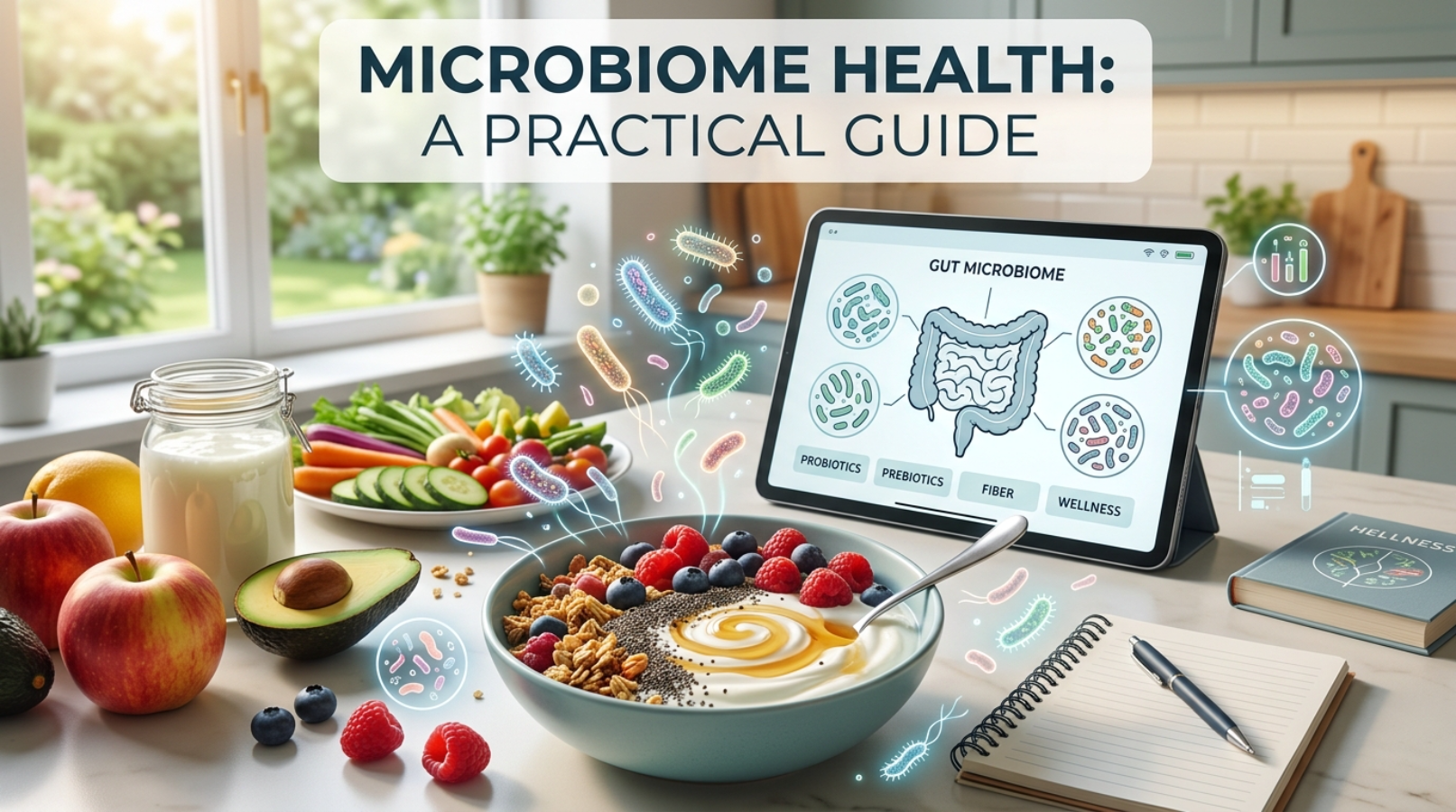
Microbiome health plays a bigger role in your daily well-being than many people realize. The tiny organisms living in your digestive tract influence digestion, immune function, and even how your body processes nutrients. Fortunately, supporting them doesn’t require expensive products or complicated diets—it starts with consistent everyday habits.
Found a helpful tip? Use our Copy Button to instantly save or share your favorite microbiome health advice with family and friends.
Quick Answer: What Is Microbiome Health?
Microbiome health refers to the balance and diversity of beneficial bacteria, fungi, and other microorganisms living in your digestive system. A healthy gut microbiome helps digest food, supports immune defenses, strengthens the intestinal lining, and produces compounds that contribute to overall wellness. Research suggests that eating a varied, fiber-rich diet and maintaining healthy lifestyle habits are among the best ways to improve microbiome health.
Why Microbiome Health Matters More Than You Think
Many people only think about their digestive system after experiencing bloating or stomach discomfort. However, your gut works around the clock, even when you’re asleep. The microorganisms inside your intestines constantly help break down food, produce beneficial compounds, and support normal body functions.
I noticed this during a particularly busy season when quick drive-through meals became my daily routine. At first, everything seemed fine. After a few weeks, though, I felt sluggish after meals and dealt with frequent bloating. Once I started cooking simple dinners again, added more vegetables, and swapped sugary snacks for fresh fruit, my digestion gradually improved. That experience reminded me that small daily habits often matter more than dramatic diet changes.
Health organizations such as the NIH, Mayo Clinic, Cleveland Clinic, and Harvard Health continue to recognize the important connection between the gut microbiome and overall health. Although researchers continue learning more every year, they generally agree that improving microbiome health benefits many aspects of long-term wellness.
What Does Microbiome Health Mean?
Your digestive tract contains trillions of microorganisms that form what’s known as the gut microbiome. While bacteria receive most of the attention, fungi, viruses, and other microbes are also part of this living ecosystem.
Good microbiome health doesn’t mean eliminating bacteria. Instead, it means maintaining a diverse balance of beneficial microorganisms that work together to support digestion and protect your body.
Every person’s microbiome is unique. Genetics play a role, yet everyday choices have a significant influence as well. The foods you eat, your sleep habits, physical activity, medications, stress levels, and even travel can all shape your gut microbiome over time.
How Microbiome Health Supports Your Body
Healthy microorganisms perform countless jobs every day. Although you can’t see them, their work influences many important body systems.
Microbiome Health Supports Digestion
Fiber-rich foods aren’t fully digested until they reach your large intestine.
There, beneficial bacteria ferment dietary fiber and produce short-chain fatty acids that nourish the cells lining your colon. Therefore, eating enough fiber directly supports microbiome health while helping maintain comfortable digestion.
Microbiome Health Strengthens Immune Function
A large portion of your immune system is connected to your digestive tract.
Studies have found that beneficial gut bacteria help your immune system distinguish between helpful microbes and potential threats. As a result, maintaining strong microbiome health supports normal immune responses.
Microbiome Health Helps Produce Important Nutrients
Certain beneficial bacteria contribute to producing vitamin K and several B vitamins. They also help your body process nutrients from the foods you eat.
Although nutritious meals remain your primary source of vitamins, healthy gut microbes provide valuable support behind the scenes.
Microbiome Health Protects the Gut Barrier
The lining of your intestines works like a carefully controlled filter.
Research suggests a balanced microbiome helps maintain the integrity of this barrier, allowing nutrients to pass into your bloodstream while helping keep unwanted substances where they belong.
Microbiome Health and the Gut-Brain Connection
Scientists continue studying the communication network between the digestive system and the brain.
Because these systems constantly exchange signals, researchers are exploring how microbiome health may influence mood, stress responses, and cognitive well-being.
Signs Your Microbiome Health May Need More Attention
Everyone experiences occasional digestive discomfort. However, ongoing lifestyle habits can influence the balance of your gut microbiome.
Some common signs that encourage people to focus more on microbiome health include:
- Frequent bloating
- Excess gas
- Occasional constipation
- Loose stools
- Feeling overly full after meals
- Digestive discomfort following heavily processed foods
- Limited variety in daily meals
- Low energy after eating
- Frequent sugar cravings
- Increased sensitivity to certain foods
These signs don’t automatically indicate an unhealthy microbiome. Instead, they can serve as reminders to evaluate your eating habits, sleep schedule, hydration, and daily routine.
Everyday Habits That Influence Microbiome Health
Your gut microbiome changes throughout life. Fortunately, many of the biggest influences are within your control.
Eat More Fiber Every Day
Fiber is one of the most valuable nutrients for beneficial bacteria.
Instead of relying on supplements first, aim to increase fiber naturally through vegetables, fruits, beans, lentils, oats, nuts, seeds, and whole grains. As a result, your beneficial bacteria receive the fuel they need to thrive.
Sleep Consistently
Sleep affects much more than your energy level.
Going to bed and waking up at similar times each day helps maintain your body’s natural rhythms, including those connected to digestion. Therefore, healthy sleep habits contribute to better microbiome health.
Stay Physically Active
Exercise supports your digestive system in several ways.
Research suggests physically active people often have greater microbial diversity than individuals with sedentary lifestyles. Fortunately, walking, cycling, swimming, gardening, and strength training all count.
Reduce Daily Stress
Stress doesn’t only affect your mind.
If you’ve ever lost your appetite before a big presentation or experienced “butterflies” before an interview, you’ve already felt the gut-brain connection.
Helpful habits include:
- Daily walks
- Deep breathing
- Reading
- Meditation
- Journaling
- Stretching
- Spending time outdoors
Meanwhile, even ten minutes of relaxation each day can support both mental wellness and microbiome health.
Best Foods for Better Microbiome Health
Food remains the most powerful tool for improving your gut microbiome naturally.
Colorful Vegetables
Vegetables supply dietary fiber along with plant compounds that nourish beneficial bacteria.
Excellent choices include:
- Broccoli
- Spinach
- Kale
- Brussels sprouts
- Carrots
- Cabbage
- Bell peppers
- Cauliflower
Rather than eating the same vegetables every day, rotate different colors throughout the week to encourage greater microbial diversity.
Fresh Fruits
Whole fruits naturally provide fiber, antioxidants, vitamins, and minerals.
Great choices include:
- Apples
- Blueberries
- Pears
- Kiwi
- Oranges
- Bananas
- Strawberries
- Raspberries
Because whole fruit contains natural fiber, it generally supports microbiome health more effectively than fruit juice.
Fermented Foods That Support Microbiome Health
Fermented foods are one of the easiest ways to support microbiome health because they naturally contain beneficial microorganisms. Although they aren’t miracle foods, research suggests they can complement a balanced, fiber-rich diet and help increase microbial diversity.
Instead of trying every fermented food at once, add one or two favorites to your weekly routine. Small, consistent habits are usually easier to maintain than major dietary overhauls.
Yogurt With Live Cultures
Plain yogurt with live and active cultures remains one of the best everyday foods for microbiome health.
Pair it with blueberries, oats, chia seeds, or walnuts for a breakfast that combines probiotics, fiber, and healthy fats.
Kefir
Kefir is a fermented milk drink that contains a variety of beneficial microorganisms.
Because of its creamy texture, it’s easy to enjoy on its own or blend into smoothies with fresh fruit.
Sauerkraut
Traditional sauerkraut is made through natural fermentation.
When you choose refrigerated varieties containing live cultures, you can add flavor to sandwiches, salads, or grain bowls while also supporting microbiome health.
Kimchi
Kimchi combines fermented vegetables with garlic, ginger, and spices.
Besides offering bold flavor, it supplies fiber that helps nourish the beneficial bacteria already living inside your digestive system.
Miso
Miso is a fermented soybean paste commonly used in soups, marinades, and sauces.
Even small servings provide another simple way to introduce fermented foods into your diet.
Tempeh
Tempeh is another fermented soybean food that’s naturally rich in plant protein.
It’s an excellent meat alternative for stir-fries, tacos, sandwiches, and grain bowls.
Kombucha
Kombucha is a fermented tea that’s become increasingly popular.
While it may fit into a balanced eating pattern, choose brands with moderate sugar levels and enjoy them occasionally rather than relying on them daily.
Microbiome Health: Prebiotics vs. Probiotics
These two terms often sound interchangeable, yet they serve different roles in supporting microbiome health.
What Are Probiotics?
Probiotics are live microorganisms found in certain fermented foods and dietary supplements.
Natural food sources include:
- Yogurt
- Kefir
- Kimchi
- Sauerkraut
- Tempeh
- Miso
Studies have found that certain probiotic strains may support digestive health. However, each strain performs different functions, so one probiotic doesn’t work the same for everyone.
What Are Prebiotics?
Prebiotics are types of dietary fiber that feed the beneficial bacteria already living inside your gut.
Excellent prebiotic foods include:
- Garlic
- Onions
- Leeks
- Asparagus
- Oats
- Bananas
- Apples
- Chicory root
- Lentils
- Beans
A simple way to remember the difference is:
- Probiotics add beneficial microorganisms.
- Prebiotics feed those beneficial microorganisms.
Because both work together, including them regularly supports stronger microbiome health over time.
Do You Need a Probiotic Supplement?
Walk through any pharmacy and you’ll see shelves filled with probiotic supplements. It’s easy to assume everyone needs one.
Research suggests the answer depends on the individual. Some probiotic strains may benefit specific digestive concerns, while others have been studied for different purposes. Therefore, buying the supplement with the highest number of bacteria isn’t always the best decision.
For many healthy adults, improving microbiome health starts with eating more fiber-rich foods, enjoying fermented foods regularly, staying active, and getting enough sleep before considering supplements.
Lifestyle Habits That Improve Microbiome Health
Food matters, but your daily routine influences your gut as well.
Prioritize Quality Sleep
Your digestive system follows natural body rhythms.
Going to bed and waking up around the same time each day supports those rhythms. As a result, consistent sleep habits contribute to better microbiome health.
Stay Active
Regular movement encourages healthy digestion and overall wellness.
Walking after dinner, swimming, cycling, strength training, dancing, or gardening all count toward an active lifestyle. Research also suggests physically active people often have greater microbial diversity.
Manage Everyday Stress
Stress affects the digestive system more than many people realize.
If you’ve ever lost your appetite before an important presentation or felt butterflies before a first date, you’ve experienced the gut-brain connection firsthand.
Healthy stress-management habits include:
- Deep breathing
- Meditation
- Walking outdoors
- Journaling
- Reading
- Gentle stretching
- Spending time with family or friends
Meanwhile, finding enjoyable ways to relax makes healthy habits easier to maintain.
Drink Enough Water
Water supports normal digestion and helps dietary fiber move through the digestive tract.
Although hydration doesn’t directly change your gut bacteria, it creates conditions that help your digestive system function efficiently.
Slow Down While Eating
One habit made a noticeable difference in my own routine.
I used to eat lunch while answering emails, barely noticing what was on my plate. After slowing down, chewing more carefully, and avoiding distractions during meals, I found that my digestion felt noticeably more comfortable.
Sometimes improving microbiome health starts with changing how you eat instead of only changing what you eat.
Common Myths About Microbiome Health
As gut health has become more popular, misinformation has spread as well.
Myth 1: All Bacteria Are Harmful
Your digestive system depends on trillions of beneficial microorganisms every day.
A balanced gut contains bacteria that support digestion, immune function, and overall microbiome health.
Myth 2: Detox Diets Reset Your Gut
Juice cleanses and detox drinks often promise dramatic improvements.
Current research doesn’t support the idea that short-term detox programs rebuild microbiome health. Instead, consistent healthy eating delivers more meaningful long-term results.
Myth 3: One Superfood Can Fix Everything
No single food can create perfect gut health.
Instead, variety is what matters. Eating many different plant foods helps nourish a wider range of beneficial microorganisms.
Myth 4: More Probiotics Always Mean Better Results
Higher numbers printed on supplement labels don’t automatically make a product more effective.
Specific bacterial strains, overall diet, and lifestyle habits play much larger roles in supporting microbiome health.
Myth 5: Your Gut Never Changes
Many people assume their gut bacteria stay the same forever.
Research suggests the opposite. Your microbiome continues changing throughout life based on diet, exercise, medications, sleep, travel, aging, and stress. Fortunately, positive habits can gradually encourage healthier changes.
Practical Daily Strategies for Better Microbiome Health
Supporting microbiome health doesn’t require perfection. Instead, focus on realistic habits that fit your everyday life.
Try these simple strategies:
- Add one extra serving of vegetables to dinner.
- Eat fruit instead of sugary snacks more often.
- Include beans or lentils several times each week.
- Choose whole grains over refined grains.
- Eat fermented foods a few times every week.
- Walk for 20–30 minutes most days.
- Stay well hydrated.
- Maintain a consistent sleep schedule.
- Reduce heavily processed foods gradually.
- Try one new plant-based food every week.
Each habit may seem small on its own. However, together they create the ideal environment for long-term microbiome health.
How Long Does It Take to Improve Microbiome Health?
One of the biggest questions people ask is how quickly microbiome health can improve. The answer depends on your current habits, diet, lifestyle, and overall gut environment. Even so, positive changes don’t have to take years.
Research suggests your gut microbiome can begin responding to healthier eating patterns within a few days. However, building long-term microbiome health usually takes several weeks or even months of consistent habits. Therefore, don’t expect overnight results. Instead, focus on the routine you can maintain.
I like to compare it to planting a garden. You won’t see flowers the morning after planting seeds. Yet with regular watering, sunlight, and patience, the garden gradually becomes healthier. Your gut microbiome responds much the same way.
Foods to Limit for Better Microbiome Health
Supporting microbiome health isn’t about avoiding every treat. Instead, it’s about choosing nutrient-rich foods more often while keeping less nutritious options in moderation.
Highly Processed Foods
Ultra-processed foods often contain refined ingredients and less dietary fiber.
Because beneficial bacteria rely on fiber as fuel, eating large amounts of processed foods regularly may reduce microbial diversity. Cooking more meals at home is one of the simplest ways to support microbiome health.
Foods High in Added Sugar
A cookie or slice of birthday cake won’t ruin your progress.
However, regularly eating foods loaded with added sugar may make it harder to maintain balanced gut bacteria. Choosing whole fruit instead provides natural sweetness along with fiber that nourishes beneficial microbes.
Refined Grains
White bread, pastries, and refined pasta contain much less fiber than whole-grain alternatives.
Easy upgrades include:
- Brown rice instead of white rice
- Whole-grain bread instead of white bread
- Oatmeal instead of sugary cereal
- Whole-wheat pasta instead of refined pasta
These simple substitutions support microbiome health without making meals feel restrictive.
Excess Alcohol
Heavy alcohol intake has been associated with changes in the gut microbiome.
If you choose to drink, moderation is generally the healthier approach. Meanwhile, staying hydrated helps support normal digestion.
A One-Day Meal Plan for Better Microbiome Health
Healthy eating doesn’t have to be complicated. Here’s an example of how a typical day can support microbiome health.
Breakfast
Enjoy plain yogurt with blueberries, rolled oats, chia seeds, and chopped walnuts. This meal combines probiotics, fiber, protein, and healthy fats.
Morning Snack
Eat a fresh apple with a handful of almonds.
Lunch
Prepare a colorful salad using spinach, grilled chicken, chickpeas, cucumbers, tomatoes, avocado, olive oil, and whole-grain bread.
Afternoon Snack
Choose carrot sticks with hummus or a small serving of mixed nuts.
Dinner
Serve baked salmon alongside roasted broccoli, quinoa, and a small portion of kimchi or sauerkraut.
Evening
Finish your day with herbal tea and plenty of water.
Although this menu is only one example, it shows that supporting microbiome health doesn’t require expensive ingredients or restrictive diets.
Daily Habits That Strengthen Microbiome Health
Healthy routines often matter more than perfect meals.
Consider adding these habits to your schedule:
- Fill half your plate with vegetables.
- Eat fruit every day.
- Include beans or lentils several times each week.
- Choose whole grains whenever possible.
- Enjoy fermented foods regularly.
- Walk after meals.
- Drink enough water throughout the day.
- Aim for seven to nine hours of sleep.
- Practice simple stress-management techniques.
- Try one new plant-based food every week.
Although each habit seems small, together they create an environment where microbiome health can steadily improve.
Why Consistency Wins Every Time
One lesson I’ve learned is that healthy eating shouldn’t feel stressful.
There have been vacations, birthday parties, backyard barbecues, and holiday dinners when I enjoyed foods that weren’t exactly “gut friendly.” Instead of trying to make up for those meals with restrictive diets, I simply returned to my normal routine the next day.
That mindset made healthy living much easier to maintain. Your microbiome health reflects what you do consistently—not what you eat once in a while.
Frequently Asked Questions
What is microbiome health?
Microbiome health refers to the balance and diversity of beneficial microorganisms living in your digestive tract. A healthy microbiome supports digestion, immune function, nutrient production, and overall wellness.
How can I improve microbiome health naturally?
The best ways to improve microbiome health include eating more fiber-rich foods, enjoying fermented foods regularly, staying active, getting quality sleep, managing stress, and drinking enough water.
Which foods are best for microbiome health?
Vegetables, fruits, beans, lentils, oats, whole grains, yogurt with live cultures, kefir, kimchi, sauerkraut, nuts, and seeds are excellent foods for supporting microbiome health.
Are probiotics enough to improve microbiome health?
Probiotics can be helpful for some people, but they work best alongside a balanced, fiber-rich diet and healthy daily habits. Food variety remains one of the strongest contributors to long-term microbiome health.
Can microbiome health change over time?
Yes. Research suggests your gut microbiome changes throughout life based on diet, sleep, medications, exercise, stress, travel, and aging. As a result, healthy lifestyle choices can gradually improve microbiome health.
Conclusion
Building strong microbiome health doesn’t require a complicated routine or expensive supplements. Instead, it comes from consistent habits like eating more fiber-rich foods, enjoying fermented foods, staying physically active, getting enough sleep, managing stress, and choosing a wide variety of plant-based foods.
Remember, lasting improvements happen one step at a time. Start with a simple change you can stick with, then build from there. Over time, those small decisions can strengthen your gut microbiome, support digestion, and contribute to better overall wellness.
Found this guide helpful? Use our Copy Button to save these microbiome health tips or share them with friends and family who want to build a healthier gut naturally.

Elizabeth Boham is a respected functional medicine physician and wellness educator with a passion for helping people improve their health through nutrition and lifestyle changes. As a contributor to Gutrova, she shares practical insights on gut health, digestive wellness, and healthy living, making complex health topics easy to understand and apply in everyday life.