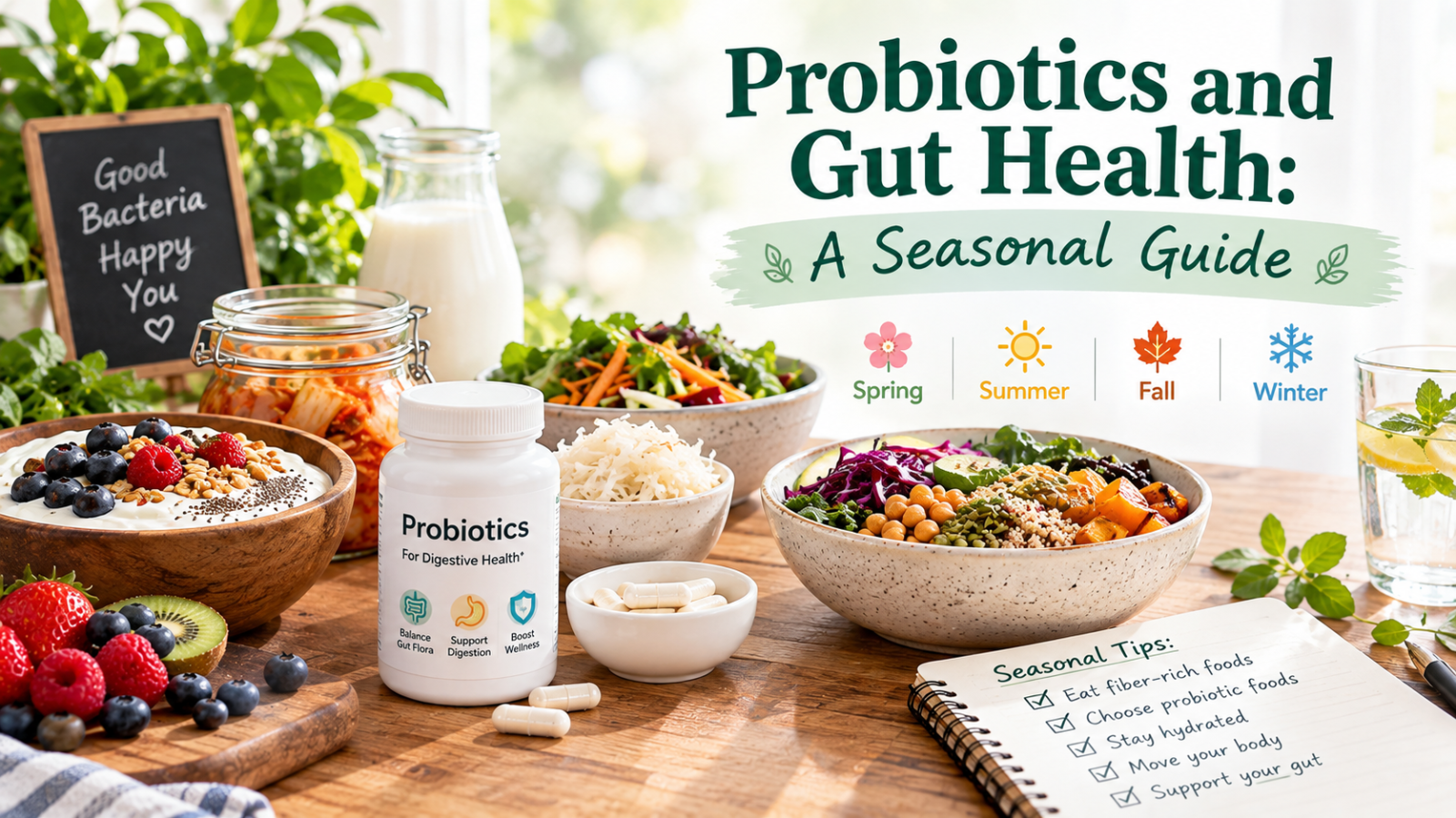
Probiotics and gut health are closely connected, but the relationship is more nuanced than a simple “more probiotics is better” rule. Different probiotic strains can have different effects, and what helps one person may not do much for another.
That doesn’t mean probiotics aren’t worth exploring. Yogurt, kefir, kimchi, sauerkraut, and other fermented foods can fit into a varied eating pattern, while supplements may make sense in specific situations. Gutrova’s Copy Button also makes it easy to copy and save a favorite gut-health tip for your next grocery trip.
Quick Answer: Probiotics and Gut Health
Probiotics are live microorganisms that may provide health benefits when consumed in sufficient amounts. They can be found in some fermented foods and dietary supplements. However, not every fermented food contains probiotics with proven health benefits, and probiotic supplements can contain different organisms and strains.
The connection between probiotics and gut health depends on the specific microorganism, amount, individual digestive system, and reason for using it. Research suggests that some probiotics may help with certain digestive concerns, including some forms of diarrhea and possibly some IBS symptoms, but evidence isn’t strong enough to say that every probiotic product improves gut health.
For most people, probiotics work best as one part of a broader routine that includes fiber-rich foods, regular meals, adequate fluids, movement, sleep, and a diverse diet.
What Probiotics and Gut Health Really Mean
Your gut is home to a large community of microorganisms, including bacteria and yeasts. Together, these microorganisms form part of your gut microbiome.
Probiotics are different from the microorganisms already living in your body. They are specific live microorganisms that may provide a health benefit when consumed in adequate amounts.
That distinction matters because the word “probiotic” doesn’t describe one single thing. A product can contain one strain, several strains, or different types of microorganisms altogether. As a result, two supplements labeled as probiotics can have very different effects.
NIH guidance also notes that probiotic microorganisms are identified by genus, species, and strain. So, when you’re comparing products, the strain information can be more useful than simply looking at a large number of colony-forming units on the front of the bottle.
Probiotics vs. Prebiotics
These terms sound similar, but they aren’t interchangeable.
Probiotics are live microorganisms that may provide health benefits.
Prebiotics are components of food that can be used by microorganisms in the gut. Many are types of dietary fiber.
Think of it this way: probiotics bring specific live microorganisms into the picture, while prebiotic foods can provide fuel for microbes already living in your digestive system.
A balanced diet can include both.
How Probiotics and Gut Health Change With the Seasons
Your gut doesn’t follow a four-season calendar, but your habits often do.
Summer may mean more restaurant meals, cold drinks, fresh fruit, and outdoor cookouts. Fall brings apples, pears, beans, soups, and hearty grain dishes. Winter often includes holiday meals and richer comfort foods, while spring can encourage more fresh produce and lighter meals.
Those changes can affect digestion.
Spring: Build Variety Slowly
Spring is a natural time to add more vegetables, berries, leafy greens, legumes, and whole grains.
That’s great for dietary variety. However, if your usual diet has been low in fiber, suddenly eating large amounts of plant foods may lead to extra gas or bloating.
Instead, increase fiber gradually. Add a serving of vegetables at lunch, try oatmeal at breakfast, or mix beans into a familiar meal.
You don’t need to overhaul your entire diet in one weekend.
If you’re adding probiotic foods, introduce them gradually too. A small serving of yogurt or kefir may be easier to evaluate than adding several fermented foods at once.
Summer: Keep Probiotic Foods Simple
Summer is perfect for easy meals. Yogurt with berries, chilled kefir smoothies, or a small serving of fermented vegetables can fit naturally into the season.
At the same time, pay attention to sugary drinks and oversized portions. A food can be nutritious and still feel uncomfortable when you eat a large amount quickly.
If you enjoy kombucha, remember that fermented doesn’t automatically mean unlimited. Some varieties contain considerable added sugar, and large amounts may cause digestive discomfort for some people.
Fall: Pair Fermented Foods With Fiber
Fall foods can create some excellent gut-friendly combinations.
Try plain yogurt with berries and oats at breakfast. At lunch, add a small serving of fermented vegetables alongside a grain bowl. For dinner, combine lentils or beans with cooked vegetables and whole grains.
This gives your meals variety instead of relying on one “superfood.”
I’ve noticed that this approach is much easier to maintain than trying to build a perfect gut-health routine around a single supplement. Real meals tend to fit everyday life better.
Winter: Don’t Let Holiday Eating Take Over
Holiday meals don’t need to become a gut-health disaster.
Large portions, rich foods, alcohol, carbonated drinks, and changes in your usual eating schedule can all make digestion feel different. Therefore, keeping some familiar meals in your week can help maintain a sense of routine.
You can still enjoy seasonal favorites. Just balance them with everyday foods such as vegetables, fruits, whole grains, yogurt, and other foods you tolerate well.
Best Food Sources for Probiotics and Gut Health
Food is one practical way to include probiotics in your routine, although not every fermented food contains microorganisms with established probiotic benefits.
Yogurt
Yogurt is one of the easiest options to add to breakfast or snacks. Look for products that contain live and active cultures.
Plain or lower-sugar yogurt can be especially useful if you don’t want your probiotic food to come with a large amount of added sugar.
Kefir
Kefir is a fermented milk drink that contains live microorganisms. It works well in smoothies, alongside breakfast, or as a simple snack.
If dairy bothers your digestion, choose an option you tolerate well rather than assuming every fermented dairy product will feel the same.
Sauerkraut and Kimchi
Fermented cabbage products can add flavor and live microorganisms to meals. However, preparation matters. Some commercially processed products may not retain live cultures after processing.
Check the label and storage information if you’re specifically looking for live cultures.
Miso and Other Fermented Foods
Miso, tempeh, and certain fermented vegetables can add variety to meals. They’re useful additions, but you don’t need to eat all of them.
The bigger goal is dietary diversity.
Probiotics and Gut Health: Do Supplements Help?
This is where things get more complicated.
Probiotic supplements aren’t all the same. They can contain different species and strains, and the amount of microorganisms can vary widely.
A higher CFU number doesn’t automatically mean a product will work better. NIH’s Office of Dietary Supplements notes that potential benefits depend on the specific microorganisms and the amount used, not simply the biggest number on the label.
So, how should you choose?
Start with the reason you’re considering a probiotic. Are you interested in general gut health? Are you dealing with digestive symptoms? Did a healthcare professional recommend a particular strain?
Those questions matter because the research is usually tied to specific probiotic formulations rather than the broad category of “probiotics.”
For general wellness, you may not need a supplement at all. A varied diet containing fermented foods, fiber-rich plants, whole grains, fruits, vegetables, legumes, nuts, and seeds can support a healthy dietary pattern.
When Probiotics and Gut Health May Be Worth Discussing With a Professional
Some probiotic research is promising, but the results aren’t universal.
Studies have explored probiotics for antibiotic-associated diarrhea, constipation, IBS, and other digestive concerns. However, researchers still don’t have one universal probiotic recommendation that works for everyone.
IBS is a good example. Some studies have reported improvements in symptoms such as bloating, abdominal pain, or bowel changes, yet results vary considerably among probiotic products. Current evidence isn’t strong enough to assume that any probiotic will reliably treat IBS.
That distinction can save you money and frustration.
If you’re dealing with persistent bloating, diarrhea, constipation, abdominal pain, or another recurring digestive problem, don’t keep switching supplements indefinitely. A healthcare professional can help determine if an underlying condition needs attention.
A Simple Seasonal Routine for Probiotics and Gut Health
You don’t need an elaborate supplement schedule to support your gut.
Try this simple approach:
Start with food. Include a probiotic food you enjoy, such as yogurt or kefir, if it agrees with you.
Feed your existing gut microbes. Eat a variety of fiber-rich foods, including vegetables, fruits, beans, lentils, and whole grains.
Change gradually. If you’re increasing fiber or fermented foods, give your digestive system time to adjust.
Watch your individual response. More isn’t always better. Gas, bloating, loose stools, or abdominal discomfort may mean you’ve increased something too quickly.
Keep seasonal variety. Rotate fruits, vegetables, whole grains, legumes, nuts, seeds, and fermented foods throughout the year.
Don’t chase trends. A new probiotic product isn’t automatically better because it has a longer ingredient list or a higher CFU count.
This routine leaves room for normal life. You can enjoy a summer barbecue, fall soup, winter holiday dinner, or spring salad without worrying that one meal has ruined your gut health.
What to Look for on a Probiotic Supplement Label
If you decide to try a probiotic supplement, slow down before buying the first bottle you see.
Look for the genus, species, and strain of the microorganism. The label should also provide information about the amount of microorganisms and storage instructions.
Pay attention to the expiration or use-by date, too. Some products require refrigeration, while others are designed to remain stable at room temperature.
Most importantly, don’t assume a product with dozens of strains is automatically superior. The usefulness of a probiotic depends on the organisms it contains and the specific health goal being studied.
If you’re pregnant, seriously ill, immunocompromised, or taking multiple medications, discuss probiotic supplements with a healthcare professional before using them. Although probiotics are generally well tolerated by healthy people, people with serious underlying health problems can face greater risks.
FAQ About Probiotics and Gut Health
What are probiotics?
Probiotics are live microorganisms that may provide health benefits when consumed in sufficient amounts. They can be found in certain fermented foods and dietary supplements.
Are probiotics good for gut health?
Some probiotics may support specific aspects of digestive health, but effects depend on the strain and the individual. Research doesn’t support treating all probiotic products as interchangeable.
What foods contain probiotics?
Yogurt, kefir, some fermented vegetables, kimchi, sauerkraut, miso, and certain other fermented foods can contain live microorganisms. However, fermentation alone doesn’t guarantee that a food contains probiotics with proven health benefits.
Should I take a probiotic every day?
There isn’t one daily probiotic recommendation for all healthy people. If you’re considering a supplement, focus on the specific product, strain, reason for use, and guidance from a healthcare professional when appropriate.
Can probiotics cause bloating?
They can. Some people experience temporary gas or bloating after introducing a new probiotic, especially if they start with a large amount. If symptoms are persistent or significant, stop and discuss the product with a healthcare professional.
The Bottom Line
Probiotics and gut health have a meaningful connection, but probiotics aren’t a shortcut to better digestion. Different strains can have different effects, and research supports some uses more strongly than others.
Instead of building your entire routine around a supplement, focus on variety. Eat plenty of plant foods, include fermented foods you tolerate, increase fiber gradually, stay active, and pay attention to your own digestive patterns.
Seasonal eating can make this easier because it naturally encourages variety throughout the year. In spring, enjoy fresh produce; in summer, keep meals light and simple; in fall, lean into beans, grains, fruits, and vegetables; and during winter, balance festive meals with familiar everyday foods.
When you find a gut-health tip that genuinely works for you, use Gutrova’s Copy Button to save it for later. Small, repeatable habits are often easier to maintain than a complicated supplement routine.










1 thought on “Probiotics and Gut Health: A Seasonal Guide”