
Inflammatory foods list topics have gained attention because everyday eating habits can influence digestion, energy levels, and overall wellness more than many people realize. Understanding which foods may contribute to chronic inflammation helps you make informed choices that support a balanced gut microbiome and long term health.
Our Copy Button feature lets you instantly save, organize, and share your favorite wellness tips so healthy choices become easier to remember and pass along. With one click, you can collect one liner wellness tips, create wellness captions, and share short gut health ideas with friends, family, and your online community.
Identify Ultra Processed Foods Linked to Inflammation
Ultra processed foods often contain additives, refined ingredients, and excess sodium that may influence gut health. Wellness inflammatory foods list strategies usually begin with recognizing these common items.
- Read ingredient labels before purchasing packaged foods.
- Choose snacks with simple ingredient lists.
- Limit highly processed convenience meals.
- Prepare lunches at home more often.
- Compare nutrition labels across brands.
- Keep whole food staples in your kitchen.
- Reduce reliance on drive through meals.
- Avoid foods with long lists of additives.
- Plan meals before grocery shopping.
- Keep healthy snacks within easy reach.
- Prepare homemade sauces when possible.
- Focus on minimally processed ingredients.
- Introduce dietary changes gradually.
- Prioritize consistency over perfection.
- Notice how your body responds to different foods.
Quick Gut Wellness Tip.
Small changes can improve gut health over time. Whole foods support digestive balance naturally. Consistency creates lasting results.
Explore Added Sugars and Hidden Sweeteners
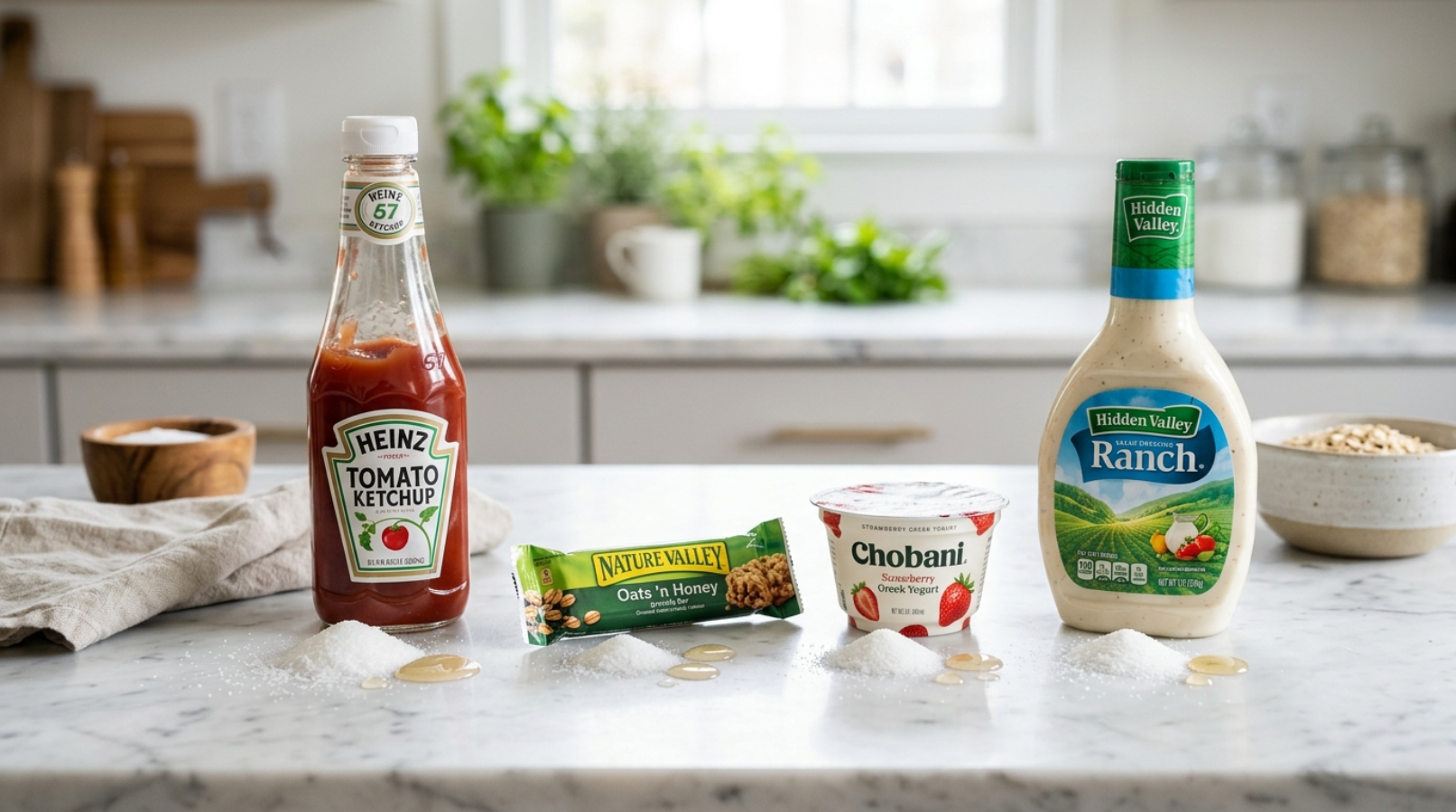
Excess added sugar may influence the balance of beneficial gut bacteria and contribute to inflammation. Best inflammatory foods list health tips often include reducing hidden sources of sweetness.
- Read labels for added sugar content.
- Choose plain yogurt instead of flavored options.
- Limit sugary beverages during meals.
- Replace candy with fresh fruit.
- Reduce sugar intake gradually.
- Check sauces and condiments for hidden sugars.
- Avoid multiple desserts in one day.
- Drink water instead of sweetened beverages.
- Compare sugar content across brands.
- Prepare homemade snacks more often.
- Select unsweetened oatmeal for breakfast.
- Use spices like cinnamon for flavor.
- Limit highly sweetened coffee drinks.
- Keep nutritious foods visible at home.
- Focus on balance rather than restriction.
Quick Gut Wellness Tip.
Hidden sugars can add up quickly throughout the day. Reading labels helps uncover surprising sources. Small swaps often lead to meaningful benefits.
Understand Refined Carbohydrates and Gut Balance
Refined grains can crowd out fiber rich foods that nourish beneficial bacteria. Gut tips inflammatory foods list approaches often focus on increasing nutrient dense alternatives.
- Swap white bread for whole grain varieties.
- Choose brown rice more often.
- Include oats in your breakfast routine.
- Add beans to soups and salads.
- Keep high fiber snacks available.
- Read labels for fiber content.
- Replace refined pasta with whole grain options.
- Add vegetables to sandwiches and wraps.
- Increase fiber gradually over time.
- Drink extra water with higher fiber meals.
- Build meals around plant foods.
- Experiment with quinoa and barley.
- Choose popcorn instead of chips.
- Include fruit with breakfast.
- Focus on variety throughout the week.
Quick Gut Wellness Tip.
Fiber supports a healthier microbiome and digestive comfort. Gradual changes feel more sustainable. Variety helps nourish beneficial bacteria.
Recognize Fried Foods and Excess Saturated Fat
Fried foods and meals high in saturated fat may influence inflammation and digestive comfort. Wellness inflammatory foods list plans often include reviewing cooking methods and meal patterns.
- Choose baked meals more often than fried options.
- Roast vegetables with olive oil for added flavor.
- Trim visible fat from meats before cooking.
- Limit fast food meals during busy weeks.
- Select lean protein sources regularly.
- Monitor your response to rich foods.
- Avoid oversized portions of fried foods.
- Pair meals with fiber rich vegetables.
- Use moderate amounts of cooking oil.
- Limit creamy sauces during meals.
- Prepare homemade alternatives to takeout.
- Keep nutritious frozen options available.
- Read labels for saturated fat content.
- Experiment with grilling and steaming methods.
- Focus on gradual improvements over time.
Quick Gut Wellness Tip.
Cooking methods can influence digestive comfort. Simple food swaps support healthier habits. Balanced meals often feel more satisfying.
Consider Alcohol and Sugary Drinks Carefully
Beverages high in sugar or alcohol can affect gut balance and overall wellness. Best inflammatory foods list health tips often include making smarter drink choices.
- Drink water between alcoholic beverages.
- Limit sugary sodas during meals.
- Choose herbal tea for gentle hydration.
- Track your response to different drinks.
- Keep a reusable water bottle nearby.
- Reduce energy drink intake gradually.
- Alternate sparkling beverages with still water.
- Limit sweetened coffee drinks.
- Avoid drinking alcohol on an empty stomach.
- Select smaller serving sizes when possible.
- Stay hydrated during social events.
- Prepare fruit infused water at home.
- Read labels for hidden sugars.
- Spread fluid intake throughout the day.
- Prioritize beverages that support hydration.
Quick Gut Wellness Tip.
Hydration supports a healthier digestive system. Reducing sugary drinks can benefit your microbiome. Small beverage changes often produce noticeable results.
Limit Processed Meats and Preserved Foods

Processed meats often contain preservatives, excess sodium, and additives that may affect gut health. Gut tips inflammatory foods list approaches commonly recommend reducing these foods gradually.
- Replace processed meats with lean proteins.
- Read labels for sodium content.
- Choose fresh poultry more often.
- Add beans to meals for plant based protein.
- Prepare homemade sandwiches with roasted meats.
- Limit frequent consumption of deli meats.
- Compare ingredient lists across brands.
- Select lower sodium options when available.
- Keep healthy proteins ready for busy days.
- Add fish to your weekly meal plan.
- Experiment with meatless meals regularly.
- Store prepared proteins for quick lunches.
- Use herbs and spices for flavor.
- Balance meals with vegetables and whole grains.
- Focus on variety throughout the week.
Quick Gut Wellness Tip.
Fresh protein sources often contain fewer additives. Planning ahead makes healthier choices easier. Small changes can support long term wellness.
Evaluate Artificial Additives and Food Dyes
Some packaged foods contain additives and dyes that may influence digestive comfort for certain people. Wellness inflammatory foods list strategies often include choosing simpler ingredients.
- Read labels before buying packaged foods.
- Choose products with shorter ingredient lists.
- Avoid snacks with multiple artificial colors.
- Monitor your response to new products.
- Compare brands for cleaner ingredient options.
- Prepare homemade snacks more often.
- Keep whole foods available at home.
- Focus on minimally processed ingredients.
- Introduce changes one step at a time.
- Select plain versions of foods when possible.
- Limit heavily processed desserts.
- Check beverages for artificial ingredients.
- Store healthy grab and go options.
- Keep a food journal for awareness.
- Listen to your body’s signals.
Quick Gut Wellness Tip.
Ingredient awareness helps support better food choices. Simpler products often contain fewer additives. Small adjustments can improve daily habits.
Notice How Eating Habits Affect Inflammation
Daily eating routines can influence digestion and how your body responds to food. Best inflammatory foods list strategies include improving mealtime habits alongside food choices.
- Sit down for meals whenever possible.
- Eat at a comfortable pace.
- Chew each bite thoroughly.
- Avoid distractions during meals.
- Notice hunger and fullness cues.
- Put utensils down between bites.
- Keep regular meal times.
- Avoid oversized portions.
- Pause midway through meals.
- Take deep breaths before eating.
- Enjoy meals with family or friends.
- Create a calm dining environment.
- Limit late night snacking.
- Avoid rushing through breakfast.
- Focus on mindful enjoyment.
Quick Gut Wellness Tip.
How you eat matters as much as what you eat. Mindful habits support digestive comfort. Small routines can create lasting benefits.
Prioritize Anti Inflammatory Food Swaps for Better Gut Health
Replacing common triggers with nutrient dense options can support digestive balance and overall wellness. Gut tips inflammatory foods list strategies often focus on simple swaps instead of strict restrictions.
- Replace sugary cereal with oatmeal and berries.
- Choose whole grain bread instead of white bread.
- Swap chips for air popped popcorn.
- Enjoy fruit instead of candy for snacks.
- Use olive oil in place of solid fats.
- Add beans to meals for extra fiber.
- Select plain yogurt over flavored varieties.
- Choose water instead of sugary beverages.
- Replace processed meats with grilled chicken.
- Add nuts and seeds to snack routines.
- Include leafy greens with lunch and dinner.
- Keep frozen vegetables available for convenience.
- Build meals around whole foods.
- Focus on colorful produce throughout the week.
- Make one healthy swap at a time.
Quick Gut Wellness Tip.
Simple substitutions can improve gut health without feeling restrictive. Consistent choices build lasting habits. Small changes add up over time.
Build Daily Routines That Support Digestive Wellness
Healthy lifestyle habits work together to support the microbiome and reduce inflammation. Wellness inflammatory foods list approaches become more effective when paired with consistent routines.
- Aim for seven to nine hours of sleep each night.
- Stay physically active throughout the week.
- Take short walks after meals.
- Drink water consistently during the day.
- Prepare meals ahead for busy schedules.
- Keep healthy snacks accessible.
- Reduce long periods of sitting.
- Create a relaxing bedtime routine.
- Stretch during work breaks.
- Spend time outdoors regularly.
- Schedule regular meal times.
- Limit screen time before bed.
- Celebrate small wellness victories.
- Focus on progress instead of perfection.
- Maintain routines during busy seasons.
Quick Gut Wellness Tip.
Healthy routines create a strong foundation for gut wellness. Consistency supports long term success. Daily habits often influence digestive comfort.
Manage Stress to Support the Gut Brain Connection
Stress can influence digestion and inflammatory responses through the close relationship between the gut and brain. Best inflammatory foods list health tips often include emotional wellbeing strategies.
- Practice deep breathing exercises daily.
- Notice digestive changes during stressful periods.
- Set aside time for relaxation.
- Keep a journal to track symptoms and emotions.
- Spend time with supportive friends.
- Explore calming hobbies regularly.
- Create boundaries around work demands.
- Take breaks during busy days.
- Prioritize quality sleep each night.
- Practice mindfulness before meals.
- Stretch gently in the evening.
- Spend time in nature when possible.
- Limit unnecessary multitasking.
- Seek professional support when needed.
- Be patient with your wellness journey.
Quick Gut Wellness Tip.
The gut and brain communicate continuously. Stress management can support digestive comfort. Small self care habits make a meaningful difference.
Share Healthy Habits With Your Community
Sharing practical wellness ideas can inspire others to make positive changes. Gut health for social media creates opportunities for connection and support.
- Save your favorite one liner wellness tips.
- Use the Copy Button to share ideas instantly.
- Create wellness captions from your daily routines.
- Post seasonal wellness recipes online.
- Share simple meal prep ideas with friends.
- Keep a collection of short gut health reminders.
- Exchange healthy habits with family members.
- Save internet gut wellness ideas that feel practical.
- Use gut wellness wordplay to make learning fun.
- Celebrate progress instead of perfection.
- Share realistic food swaps with coworkers.
- Build positive wellness habits together.
- Collect viral gut wellness content thoughtfully.
- Inspire others through everyday actions.
- Focus on sustainable changes that fit real life.
Quick Gut Wellness Tip.
Sharing wellness ideas creates accountability and motivation. Community support encourages lasting change. Small actions often inspire meaningful results.
Conclusion
An inflammatory foods list can help you identify patterns that may affect digestion, energy levels, and overall wellness. Limiting ultra processed foods, reducing added sugars, choosing whole food alternatives, and building consistent habits can support a healthier gut microbiome over time.
Use our Copy Button feature to save your favorite inflammatory foods list health tips, create wellness captions, and share short gut health ideas with friends and family. Copy, save, and spread these one liner wellness tips to make internet gut wellness more practical, relatable, and inspiring every day.

Elizabeth Boham is a respected functional medicine physician and wellness educator with a passion for helping people improve their health through nutrition and lifestyle changes. As a contributor to Gutrova, she shares practical insights on gut health, digestive wellness, and healthy living, making complex health topics easy to understand and apply in everyday life.











3 thoughts on “Inflammatory Foods List That May Be Disrupting Your Gut Health”