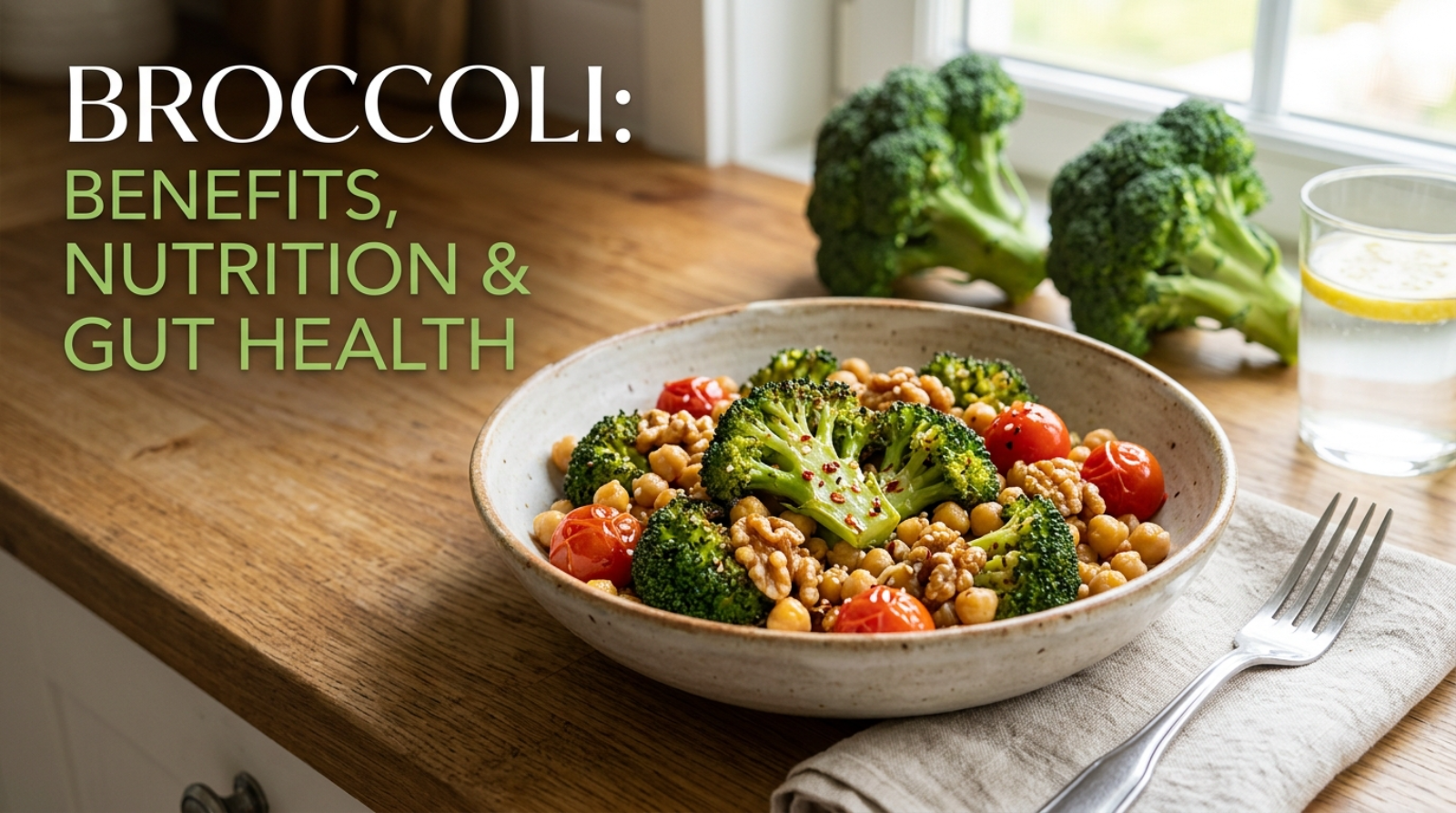
Broccoli is one of those everyday vegetables that earns its reputation through solid nutrition rather than flashy promises. From a simple side dish to a hearty grain bowl, broccoli can add fiber, crunch, color, and valuable nutrients to meals you already enjoy. Use the Copy Button to save the practical ideas in this guide for your next grocery trip or meal plan.
Quick Answer: Is Broccoli Good for You?
Yes, broccoli is a nutritious vegetable that provides dietary fiber, vitamin C, vitamin K, folate, and naturally occurring plant compounds. It can support a balanced eating pattern and may contribute to healthy digestion because of its fiber content.
Broccoli also belongs to the cruciferous vegetable family, which includes foods such as cabbage, cauliflower, kale, and Brussels sprouts. These vegetables contain unique plant compounds that researchers continue to study.
However, broccoli isn’t a cure-all. The greatest benefit comes from eating it as part of a varied diet filled with different vegetables, fruits, legumes, whole grains, nuts, and seeds.
Broccoli Nutrition: What Makes This Vegetable So Healthy?
Broccoli provides a lot of nutrition without requiring a complicated recipe.
It’s naturally low in calories and contains water and dietary fiber. In addition, broccoli provides several important vitamins and minerals.
Vitamin C is one of its best-known nutrients. Broccoli also provides vitamin K and folate.
Its green color comes from naturally occurring plant pigments. Meanwhile, broccoli contains other plant compounds that contribute to its distinctive nutritional profile.
According to general nutrition guidance, vegetables provide different nutrients and compounds, which is why eating a variety of colors matters.
Why Broccoli Deserves a Regular Place on Your Plate
You don’t need to eat broccoli every day.
However, including it regularly can help you increase the variety of vegetables in your diet.
A cup of roasted broccoli beside dinner may seem simple. Yet small habits like that can gradually increase your intake of fiber and plant foods.
Consistency usually matters more than chasing a perfect diet.
Broccoli and Gut Health
Broccoli can support a gut-friendly eating pattern because it provides dietary fiber.
Fiber travels through the digestive system differently from many other carbohydrates. Some forms can reach the colon, where gut microorganisms interact with them.
The gut microbiome is complex, and scientists are still learning how individual foods affect it.
Therefore, it’s better to think about broccoli as one useful plant food rather than a special cure for digestive problems.
A healthy eating pattern usually includes many sources of fiber.
Try pairing broccoli with beans, whole grains, nuts, seeds, and other vegetables. That approach provides your gut with a broader variety of food components.
How Broccoli Supports Healthy Digestion
Dietary fiber plays an important role in normal digestion.
Broccoli contributes to your total fiber intake, which can help support regular bowel habits as part of an overall balanced diet.
However, increasing fiber too quickly may cause discomfort for some people.
If you usually eat few vegetables, jumping immediately to several large servings of broccoli may leave you feeling bloated.
Instead, increase your fiber intake gradually.
Add vegetables to one meal at a time and give your digestive system a chance to adjust. Drinking enough fluids can also support normal digestion.
Broccoli and the Gut Microbiome
Your gut contains a diverse community of microorganisms.
These microbes interact with different components of the foods you eat. Fiber is particularly important because some gut bacteria can use certain fibers as a source of fuel.
Broccoli adds another type of plant food to your diet.
That matters because dietary diversity may support a more varied nutritional environment inside the digestive system.
Research suggests that eating many different plant foods can be beneficial for the gut microbiome.
So, don’t stop at broccoli.
Include berries, leafy greens, beans, oats, onions, nuts, seeds, and other foods throughout the week.
Broccoli contributes to the bigger picture.
Broccoli Benefits and Cruciferous Vegetables
Broccoli belongs to the cruciferous vegetable family.
This group includes cauliflower, kale, cabbage, bok choy, and Brussels sprouts.
Cruciferous vegetables contain naturally occurring sulfur-containing compounds. When you chop or chew them, chemical changes can occur.
Researchers continue to study these compounds and their potential roles in human health.
Still, you don’t need to understand every chemical process to enjoy broccoli.
The practical takeaway is simple: eat a variety of vegetables.
Broccoli can be one of your regular choices, while other cruciferous vegetables can provide additional variety.
Broccoli Isn’t the Only Green Vegetable That Matters
It’s easy to find a “superfood” and focus on it too heavily.
Instead, rotate your vegetables.
Eat broccoli one night. Try green beans the next. Add spinach to eggs later in the week.
Different vegetables bring different fibers and nutrients to your meals.
That variety can also keep healthy eating from becoming boring.
Can Broccoli Cause Gas or Bloating?
Yes, broccoli can cause gas or bloating in some people.
This doesn’t mean the vegetable is unhealthy.
Broccoli contains fiber and fermentable carbohydrates that may produce gas as gut microbes break them down.
Portion size often matters.
If you’ve ever eaten a huge bowl of raw broccoli and felt uncomfortable afterward, the amount may have played a role.
Cooking can change the texture and make broccoli easier for some people to tolerate.
Instead of avoiding it immediately, try a smaller serving of cooked broccoli.
Pay attention to how your body responds.
Broccoli and Healthy Meal Satisfaction
Vegetables aren’t usually the first food people associate with fullness.
However, broccoli can add volume and fiber to a meal.
A large portion of vegetables can make a plate feel more substantial without relying entirely on refined carbohydrates.
For example, combine broccoli with a protein source and a whole grain.
Try roasted broccoli, grilled chicken, and brown rice.
Or make a plant-based meal with broccoli, chickpeas, and quinoa.
The broccoli adds texture and volume. Meanwhile, the protein and whole grains help create a balanced meal.
Best Ways to Cook Broccoli
The best cooking method is often the one you’ll enjoy enough to repeat.
Some people love crisp roasted broccoli. Others prefer steamed florets with a little seasoning.
Here are several options:
Roasted Broccoli
Roasting brings out a deeper, slightly sweet flavor.
Cut broccoli into similar-sized pieces, add a small amount of oil, and cook until the edges become tender and lightly browned.
Steamed Broccoli
Steaming creates a softer texture.
It’s a good option if you want a simple side dish without much preparation.
Avoid cooking it excessively, though. Overcooked broccoli can become mushy and develop a stronger smell.
Sautéed Broccoli
Sautéing works well when you want a quick meal.
Combine broccoli with other vegetables, garlic, herbs, or a protein source.
Raw Broccoli
Raw broccoli has a crisp texture.
Add small pieces to salads or serve them with a dip.
However, some people find raw broccoli harder to digest than cooked broccoli.
There’s no universal best choice. Pick the preparation that works for your taste and digestion.
Easy Broccoli Meal Ideas
Broccoli doesn’t have to be boring.
Try these practical ideas:
- Roast broccoli with olive oil and herbs.
- Add it to a grain bowl.
- Mix it into a vegetable stir-fry.
- Add it to scrambled eggs.
- Serve it with baked salmon.
- Combine it with chickpeas and brown rice.
- Add it to pasta with vegetables.
- Blend cooked broccoli into soup.
- Use it in a vegetable omelet.
- Add it to a breakfast hash.
- Mix it into a casserole.
- Serve it alongside chicken.
- Add it to homemade fried rice.
- Combine it with cauliflower.
- Toss it into a warm salad.
Personally, roasting is one of my favorite methods.
A little browning can change the flavor enough that broccoli feels completely different from the steamed version many people remember from childhood.
Fresh vs. Frozen Broccoli
Fresh and frozen broccoli can both be useful choices.
Fresh broccoli works well for roasting, salads, and sautéed dishes.
Frozen broccoli, however, is convenient and lasts much longer.
It’s especially useful for busy weeks.
You can keep a bag in the freezer and add broccoli to soups, stir-fries, pasta, and grain bowls.
Frozen vegetables can also reduce food waste.
You don’t have to use them immediately, so there’s less pressure to cook everything before it spoils.
Choose the option that makes it easier for you to eat vegetables consistently.
How to Choose and Store Broccoli
Look for broccoli with firm stalks and tightly packed florets.
The color should generally look fresh and green.
Avoid broccoli that appears severely wilted or has an unpleasant odor.
Store fresh broccoli in the refrigerator.
Try to use it within a reasonable time because the texture can decline as it sits.
Don’t wash it far in advance unless you plan to dry it thoroughly.
Extra moisture can speed up deterioration.
Before cooking, rinse the broccoli under running water.
Then cut it into pieces that suit your recipe.
Broccoli for Breakfast, Lunch, and Dinner
Broccoli isn’t only a dinner vegetable.
You can use it throughout the day.
Breakfast: Add chopped broccoli to eggs or an omelet.
Lunch: Build a bowl with broccoli, beans, grains, and vegetables.
Dinner: Serve roasted broccoli alongside a protein source and a whole grain.
You can also add it to soups and leftovers.
This flexibility makes broccoli easier to use regularly.
Instead of planning an entirely new meal around it, simply add it to dishes you already enjoy.
Building a Gut-Friendly Meal With Broccoli
Broccoli works especially well when combined with other plant foods.
For example, start with a whole grain such as brown rice or quinoa.
Add broccoli and another colorful vegetable.
Then include beans, lentils, chicken, fish, tofu, or another protein source.
Finish with nuts, seeds, herbs, or a simple dressing.
This creates a meal with several types of fiber and plant compounds.
As a result, you’re building dietary variety rather than depending on one vegetable.
A simple broccoli bowl might include:
- Brown rice
- Roasted broccoli
- Chickpeas
- Carrots
- Leafy greens
- Pumpkin seeds
- Lemon juice
Adjust the ingredients based on what you have available.
A flexible meal is usually easier to maintain than a strict plan.
Frequently Asked Questions About Broccoli
Is broccoli good for your gut?
Yes, broccoli can be part of a gut-friendly diet because it provides dietary fiber. It also adds variety to your intake of plant foods. However, overall dietary diversity is more important than relying on broccoli alone.
Can broccoli cause bloating?
Yes, some people may experience gas or bloating after eating broccoli. Its fiber and fermentable carbohydrates can contribute to digestive discomfort, particularly in larger portions.
Is raw broccoli healthier than cooked broccoli?
Both raw and cooked broccoli can be nutritious. Cooking changes the texture and may affect certain nutrients, but it can also make broccoli easier for some people to eat and digest.
Can you eat broccoli every day?
Many people can enjoy broccoli regularly. Still, rotating it with other vegetables can provide a wider variety of nutrients and plant compounds.
Is frozen broccoli healthy?
Yes. Frozen broccoli can be a nutritious and convenient option. It also lasts longer, which can make it easier to keep vegetables available at home.
Final Thoughts on Broccoli
Broccoli is a practical, affordable vegetable that provides fiber, vitamins, minerals, and naturally occurring plant compounds.For gut health, its fiber can contribute to a balanced eating pattern. However, broccoli works best when it’s part of a diet that includes many different plant foods.
The real strength of broccoli isn’t that it performs a miracle—it’s that it’s easy to use again and again in simple, nutritious meals.
Roast it, steam it, sauté it, or add it to a bowl, soup, or stir-fry. Start with a preparation you genuinely enjoy and experiment from there.Finally, use the Copy Button to save your favorite broccoli meal ideas and make healthy eating a little easier during busy weeks.

Here’s a short Gutrova-style author biography for Josh Axe:
Josh Axe
Josh Axe is a wellness expert, author, and educator known for his work in nutrition, natural health, and gut wellness. As a contributor to Gutrova, he shares practical insights on digestive health, healthy eating habits, and lifestyle strategies that help readers build a stronger foundation for overall well being. His content focuses on making wellness simple, actionable, and accessible for everyday life.










1 thought on “Broccoli: Benefits, Nutrition & Gut Health”