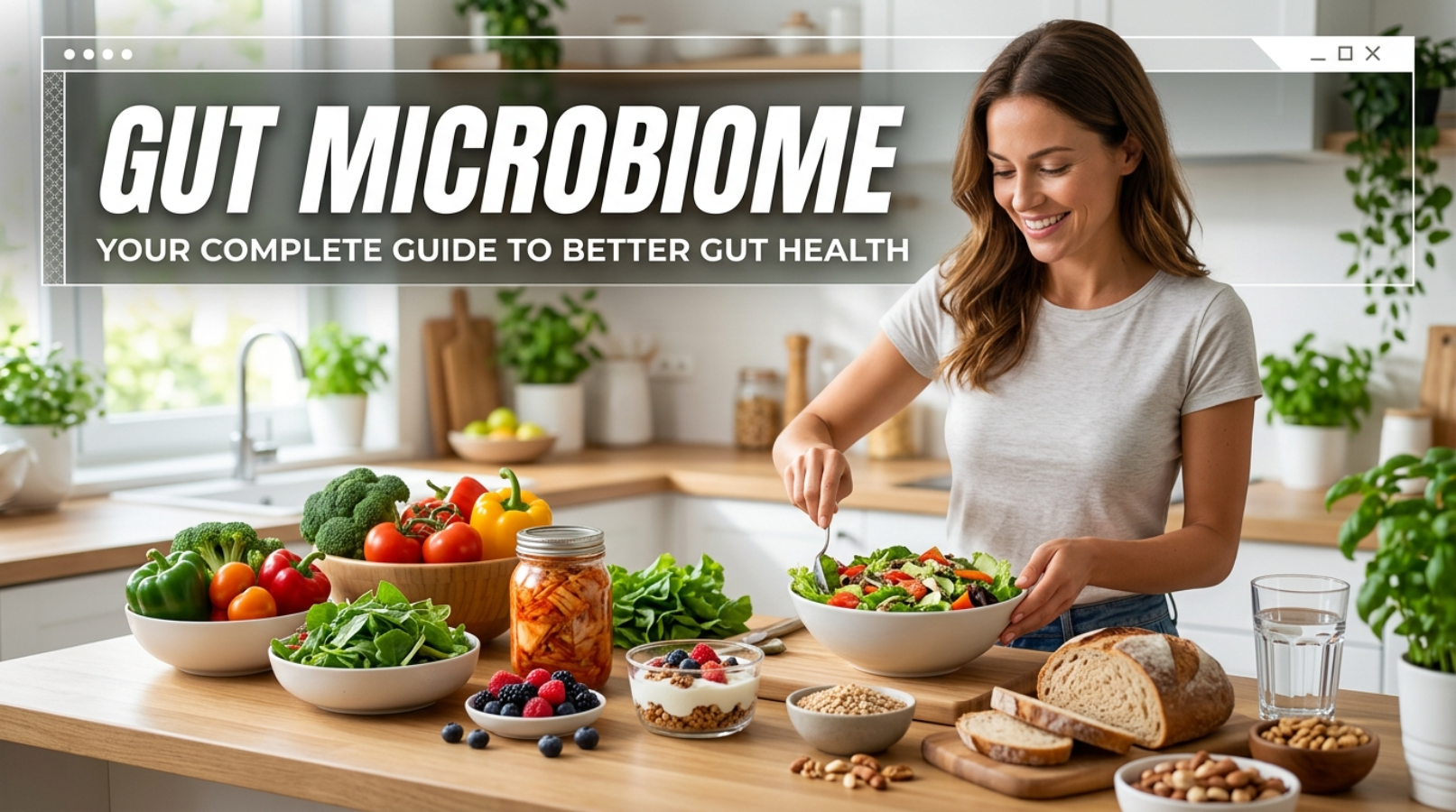
Your gut microbiome influences far more than digestion. It plays a role in immune health, metabolism, nutrient absorption, and even how you feel from day to day. Understanding how it works can help you make smarter choices without falling for expensive trends or miracle products.
Found a tip you want to remember? Use our handy Copy Button to save or share any section of this guide in seconds.
Quick Answer: What Is the Gut Microbiome?
The gut microbiome is the community of trillions of bacteria, fungi, viruses, and other microorganisms that naturally live in your digestive tract. While the word “bacteria” often sounds negative, many of these microbes are beneficial. Research suggests they help digest food, produce important nutrients, strengthen the gut lining, support immune function, and communicate with the brain through what’s known as the gut-brain axis.
A healthy gut microbiome isn’t about eliminating microbes—it’s about maintaining a diverse and balanced community that works together to support overall health.
Why the Gut Microbiome Has Become Such a Big Health Topic
A decade ago, most conversations about gut health centered on stomach aches or probiotics. Today, researchers continue discovering just how connected the digestive system is to the rest of the body. While scientists are still learning about many of these relationships, one thing has become increasingly clear: your gut isn’t working alone.
I noticed this in my own routine after a stretch of long workdays filled with takeout meals and very little sleep. I didn’t suddenly become sick, but I constantly felt heavy after eating, and my energy dipped every afternoon. Once I gradually added more vegetables, cooked at home more often, and stopped skipping breakfast, my digestion became much more predictable. It wasn’t an overnight transformation, but those consistent habits made a noticeable difference.
That’s often how gut health works. Small improvements, repeated daily, usually have a greater impact than chasing the latest social media trend.
Understanding What Lives Inside Your Gut
The digestive system contains one of the most diverse microbial ecosystems in the human body.
Beneficial Bacteria
These microorganisms help break down certain carbohydrates your body can’t digest on its own. During that process, they create compounds that help nourish cells lining the colon.
Many beneficial bacteria also compete with potentially harmful microbes, helping maintain a balanced environment.
Fungi
Healthy digestive systems naturally contain fungi as well. In balanced amounts, they are simply another part of the microbiome ecosystem.
Viruses
Some viruses found in the gut actually infect bacteria rather than human cells. Researchers continue studying how they influence bacterial populations.
Other Microorganisms
The microbiome also contains additional microbes that interact with one another in complex ways. Scientists are still uncovering exactly how these relationships affect overall health.
Rather than focusing on one “good” bacteria, experts generally emphasize diversity. A microbiome containing many different beneficial species appears to be more resilient than one dominated by only a few.
What Does the Gut Microbiome Actually Do?
People often assume gut bacteria exist only to digest food. Their responsibilities extend much further.
Helps Digest Fiber
Your digestive enzymes can’t fully break down every type of dietary fiber. Beneficial bacteria ferment certain fibers and create short-chain fatty acids that help support colon health.
Supports the Immune System
A significant portion of immune activity occurs around the digestive tract. Research suggests healthy gut microbes help educate and regulate immune responses throughout life.
Assists Nutrient Production
Certain bacteria contribute to producing vitamins such as vitamin K and some B vitamins while also supporting nutrient absorption.
Protects the Gut Barrier
The lining of your intestines acts like a selective filter. Healthy microbes help maintain this protective barrier so nutrients pass through while unwanted substances stay where they belong.
Influences the Gut-Brain Connection
The digestive tract and brain constantly exchange signals through nerves, hormones, and chemical messengers. Researchers continue exploring how gut bacteria may influence mood, stress responses, and cognitive function.
Signs Your Gut Microbiome May Need More Support
Everyone experiences digestive changes from time to time, especially after vacations, holidays, or periods of high stress. Persistent symptoms should always be discussed with a healthcare professional, but everyday habits can also influence how your digestive system feels.
Some common signs that your gut could benefit from healthier daily habits include:
- Frequent bloating after meals
- Excess gas
- Irregular bowel movements
- Occasional constipation
- Loose stools
- Feeling overly full after eating small meals
- Increased food sensitivities
- Digestive discomfort after highly processed foods
- Reduced energy after meals
- Difficulty maintaining dietary variety
None of these automatically point to an unhealthy microbiome by themselves. They simply highlight why paying attention to overall digestive health is worthwhile.
Everyday Habits That Can Disrupt Gut Balance
Modern lifestyles aren’t always friendly to our gut microbes.
Highly Processed Foods
Many ultra-processed foods contain very little fiber. Since beneficial bacteria rely on fiber for nourishment, diets consistently low in plant foods may reduce microbial diversity over time.
Repeated Antibiotic Use
Antibiotics save lives and remain essential when prescribed appropriately. However, they may also temporarily reduce helpful bacteria alongside harmful ones.
Chronic Stress
Stress doesn’t stay in your head—it often affects your digestive system too. Studies have found that long-term stress may influence both digestion and microbial balance.
Poor Sleep
Your digestive system follows natural daily rhythms just like the rest of your body. Irregular sleep schedules may affect these patterns.
Limited Food Variety
Eating the exact same meals every day might simplify grocery shopping, but it doesn’t necessarily encourage a diverse microbiome. Different plants provide different fibers that feed different beneficial microbes.
Excess Alcohol
Heavy alcohol intake has been associated with changes in the gut environment and digestive function.
Foods That Naturally Support the Gut Microbiome
No single food transforms your microbiome overnight. Instead, consistent variety tends to produce the greatest long-term benefits.
Colorful Vegetables
Vegetables supply fiber along with naturally occurring plant compounds that beneficial bacteria can use.
Excellent choices include:
- Broccoli
- Spinach
- Brussels sprouts
- Carrots
- Kale
- Cauliflower
- Bell peppers
- Cabbage
The more colors on your plate, the more diverse the nutrients reaching your gut.
Fresh Fruits
Fruit provides fiber along with vitamins and antioxidants.
Some microbiome-friendly favorites include:
- Apples
- Blueberries
- Strawberries
- Raspberries
- Pears
- Kiwi
- Oranges
- Bananas
Whole fruit is generally a better option than fruit juice because it retains its natural fiber.
Whole Grains
Unlike refined grains, whole grains still contain their fiber-rich outer layers.
Consider adding:
- Oats
- Brown rice
- Quinoa
- Barley
- Whole wheat
- Farro
These foods help nourish beneficial bacteria while providing lasting energy.
Beans and Lentils
Legumes remain one of the richest natural sources of fiber.
Popular options include:
- Black beans
- Chickpeas
- Kidney beans
- Pinto beans
- Lentils
- Split peas
If you don’t eat them regularly, increase portions gradually and drink plenty of water to help your digestive system adjust.
Fermented Foods: A Natural Way to Support Gut Health
One of the easiest ways to encourage a healthy gut microbiome is by regularly eating fermented foods. These foods have been transformed by beneficial microorganisms during the fermentation process, creating unique flavors while introducing live cultures in many cases.
Research suggests that eating a variety of fermented foods may help increase microbial diversity in the gut. Diversity matters because a microbiome with many different beneficial species tends to be more resilient than one with limited variety.
Some of the best options include:
Yogurt
Choose plain yogurt with live and active cultures whenever possible. Adding fresh berries or chopped nuts makes it even more gut-friendly.
Kefir
Kefir is a fermented milk drink with a thinner consistency than yogurt. It naturally contains multiple strains of beneficial bacteria and yeast.
Sauerkraut
Traditional sauerkraut is made from fermented cabbage. Look for refrigerated varieties that haven’t been heat-treated if you’re looking for live cultures.
Kimchi
This Korean staple combines fermented vegetables with spices, garlic, ginger, and other flavorful ingredients.
Miso
Made from fermented soybeans, miso adds rich flavor to soups, sauces, and marinades.
Tempeh
Tempeh is another fermented soybean product that’s packed with protein and makes an excellent meat alternative.
Kombucha
This fermented tea has become increasingly popular. While it can fit into a healthy diet, check the label since some brands contain significant added sugar.
The goal isn’t to eat every fermented food every day. Instead, experiment with different options and discover which ones you genuinely enjoy.
Prebiotics vs. Probiotics: What’s the Difference?
These two words are often used together, but they aren’t interchangeable.
What Are Probiotics?
Probiotics are live microorganisms that may provide health benefits when consumed in adequate amounts.
They can be found in:
- Yogurt
- Kefir
- Kimchi
- Sauerkraut
- Certain cheeses
- Some dietary supplements
Different probiotic strains perform different functions, which is why one product isn’t automatically better than another.
What Are Prebiotics?
Prebiotics are specialized plant fibers that feed beneficial bacteria already living in your digestive system.
Think of probiotics as adding helpful guests to a garden. Prebiotics are the fertilizer that helps the entire garden flourish.
Foods naturally rich in prebiotics include:
- Garlic
- Onions
- Leeks
- Asparagus
- Chicory root
- Oats
- Apples
- Bananas
- Beans
- Lentils
Most people benefit from eating more prebiotic-rich foods before worrying about expensive supplements.
Do You Really Need a Probiotic Supplement?
Walk into any pharmacy and you’ll see shelves lined with probiotic capsules promising better digestion. It’s understandable to wonder if everyone should be taking one.
The answer isn’t always yes.
Research has found that certain probiotic strains may benefit specific digestive concerns, but no single supplement works for everyone. Factors like age, diet, medications, and existing gut bacteria all influence how someone responds.
Before buying a supplement, ask yourself a simple question: Have I consistently eaten enough fiber and plant foods lately?
For many people, improving food quality provides a stronger foundation than immediately adding another pill to their routine.
If you and your healthcare provider decide a probiotic makes sense, look for products that clearly list the bacterial strains and storage recommendations.
Lifestyle Habits That Shape Your Gut Microbiome
Food gets most of the attention, but your daily routine influences your gut as well.
Prioritize Consistent Sleep
Your digestive system follows a natural daily rhythm. Going to bed at wildly different times every night can affect that rhythm.
Aim for seven to nine hours of quality sleep whenever possible. Consistency often matters as much as total hours.
Stay Physically Active
Exercise benefits far more than your heart and muscles.
Studies have found that people who stay physically active often have greater microbial diversity than those who live sedentary lifestyles.
You don’t need marathon training to see benefits. Walking, cycling, swimming, strength training, gardening, or dancing all count.
Manage Everyday Stress
Stress has a habit of showing up in the stomach.
If you’ve ever felt butterflies before a presentation or lost your appetite during a difficult week, you’ve already experienced the gut-brain connection.
Simple stress-management habits can help:
- Take short walks outdoors.
- Practice deep breathing.
- Stretch for a few minutes.
- Read instead of scrolling before bed.
- Spend time with friends or family.
- Keep a journal.
Small moments of relaxation throughout the day can be surprisingly valuable.
Stay Hydrated
Water helps food move through the digestive tract and supports normal digestion.
Many people focus entirely on what they eat while forgetting how important hydration can be.
Eat Slowly
One habit that completely changed my own digestion was slowing down during meals.
For years I treated lunch like another task on my to-do list. I’d finish eating in less than ten minutes while checking emails.
Now I make a point to sit down, chew thoroughly, and actually taste my food. It’s a simple change, but I notice far less discomfort after meals than I used to.
Sometimes the healthiest habit doesn’t involve buying anything at all.
Common Myths About the Gut Microbiome
As interest in gut health has grown, so has misinformation. Let’s clear up a few common misconceptions.
Myth 1: You Need an Expensive Detox
Your body already has highly effective systems for processing and eliminating waste. Research doesn’t support most commercial detox cleanses as a way to “reset” the gut microbiome.
Myth 2: More Probiotics Are Always Better
A product containing dozens of bacterial strains isn’t automatically superior. The right strain matters more than the biggest number on the label.
Myth 3: Healthy People Never Experience Bloating
Everyone experiences occasional bloating. It can happen after eating too quickly, consuming large meals, traveling, or simply trying new foods.
Myth 4: One Superfood Fixes Everything
No single ingredient can replace an overall healthy eating pattern. Diversity consistently beats relying on one trendy food.
Myth 5: Gut Health Changes Overnight
Some dietary improvements begin influencing gut bacteria within days, but building a healthier microbiome usually takes weeks or months of consistent habits.
Practical Daily Strategies That Actually Work
Supporting your gut microbiome doesn’t require perfection. It simply requires consistency.
Here are realistic habits you can start this week:
- Add one extra serving of vegetables to dinner.
- Try oatmeal instead of sugary cereal a few mornings each week.
- Include beans or lentils in one meal.
- Snack on fruit instead of highly processed foods.
- Eat yogurt with live cultures several times a week.
- Drink enough water throughout the day.
- Walk for 20–30 minutes after dinner.
- Aim to eat a wider variety of colorful plant foods each week.
- Cook one homemade meal more often than you did last week.
- Avoid unnecessary late-night snacking when you’re not truly hungry.
None of these habits are dramatic. Together, though, they create an environment where beneficial gut microbes have a better chance to thrive.
How Long Does It Take to Improve Your Gut Microbiome?
One of the most encouraging things about the gut microbiome is that it can respond surprisingly quickly to positive lifestyle changes. Research suggests that dietary improvements may begin influencing gut bacteria within days, although building a more diverse and stable microbiome usually takes weeks or even months of consistent habits.
That’s why short-term “gut resets” rarely deliver lasting results. Healthy gut bacteria thrive on routine, not extremes.
If you’re just getting started, don’t worry about making every change at once. Focus on habits you can realistically maintain. Eating one extra serving of vegetables every day for six months is likely to have a greater impact than following a restrictive diet for one week.
Foods That May Disrupt a Healthy Gut Microbiome
No food needs to be permanently off-limits for most people, but some eating patterns may make it harder for beneficial gut bacteria to flourish.
Highly Processed Foods
Ultra-processed snacks, sugary desserts, and packaged convenience meals are often low in fiber. Since beneficial bacteria rely on plant fibers for nourishment, regularly replacing whole foods with processed options may reduce microbial diversity over time.
Added Sugars
Enjoying dessert occasionally is perfectly normal. The concern comes when foods and beverages high in added sugars become everyday staples instead of occasional treats.
Refined Grains
White bread, pastries, and many refined grain products contain less fiber than whole-grain alternatives. Swapping even a few of these choices each week can increase your overall fiber intake.
Excess Alcohol
Drinking alcohol in moderation may fit into a balanced lifestyle for many adults, but frequent heavy drinking has been associated with changes in gut bacteria and digestive health.
Low-Fiber Diets
Perhaps the biggest challenge for the gut microbiome isn’t eating one particular food—it’s not eating enough plant foods. Fruits, vegetables, legumes, whole grains, nuts, and seeds provide the diverse fibers your gut bacteria depend on.
Building a Gut-Friendly Plate
Instead of focusing on strict food rules, think about what you can add to your meals.
A balanced plate might include:
- Colorful vegetables that provide a variety of fibers
- Lean protein such as fish, chicken, tofu, or beans
- Whole grains like brown rice, quinoa, or oats
- Healthy fats from avocado, olive oil, nuts, or seeds
- A fermented food such as yogurt or kimchi a few times each week
This approach naturally increases dietary diversity without making meals feel restrictive.
Small Changes That Make a Big Difference
People often assume improving gut health requires expensive supplements or a complete kitchen makeover. In reality, many of the most effective habits are surprisingly simple.
Try these ideas over the next few weeks:
- Eat at least one extra fruit or vegetable each day.
- Choose whole grains more often than refined grains.
- Include beans in soups, salads, or tacos.
- Try one new plant food every week.
- Drink enough water throughout the day.
- Walk after meals when possible.
- Sleep on a consistent schedule.
- Slow down and chew your food thoroughly.
- Reduce ultra-processed snacks little by little.
- Cook at home one more night each week.
When repeated consistently, these habits create an environment where beneficial microbes can thrive.
The Bigger Picture: Your Gut Reflects Your Daily Routine
One of the biggest lessons I’ve learned is that gut health isn’t built by one perfect meal. It’s shaped by the hundreds of small choices you make over time.
There will be weekends filled with pizza, birthday cake, or vacation meals, and that’s completely normal. A healthy gut microbiome isn’t fragile. What matters most is returning to your regular habits instead of feeling guilty about occasional indulgences.
Research continues to uncover new connections between gut bacteria and overall health, but one message has remained remarkably consistent: a varied diet rich in whole, fiber-containing foods supports a healthier gut ecosystem better than quick fixes or trendy cleanses.
Frequently Asked Questions
What is the gut microbiome?
The gut microbiome is the collection of trillions of microorganisms—including bacteria, fungi, and viruses—that naturally live in your digestive tract. These microbes help support digestion, immune function, nutrient production, and many other aspects of health.
How can I improve my gut microbiome naturally?
You can support your gut microbiome by eating a wide variety of fiber-rich plant foods, including fermented foods regularly, staying physically active, getting enough sleep, managing stress, and limiting highly processed foods.
Are probiotics better than prebiotics?
They serve different purposes. Probiotics are beneficial live microorganisms, while prebiotics are fibers that feed the beneficial bacteria already living in your gut. Both can play an important role in maintaining a healthy microbiome.
Which foods are best for gut health?
Some of the best foods include vegetables, fruits, beans, lentils, oats, whole grains, nuts, seeds, yogurt with live cultures, kefir, kimchi, sauerkraut, and other fermented foods.
Can the gut microbiome change over time?
Yes. Research suggests the gut microbiome is dynamic and responds to long-term dietary patterns, physical activity, sleep, stress, medications, and other lifestyle factors.
Conclusion
Supporting your gut microbiome doesn’t have to be complicated. The healthiest approach isn’t chasing the newest supplement or restrictive diet it’s consistently choosing foods and habits that nourish your digestive system over time. A colorful, fiber-rich diet, regular movement, quality sleep, stress management, and occasional fermented foods can all contribute to a more balanced gut environment.
Remember, lasting progress comes from small, sustainable choices rather than dramatic overhauls. Every healthy meal, every walk, and every extra serving of plants is another step toward supporting your gut and your overall well-being.
Enjoyed this guide? Use our Copy Button to save these practical gut microbiome tips for future reference or share them with friends and family who want to improve their gut health naturally.