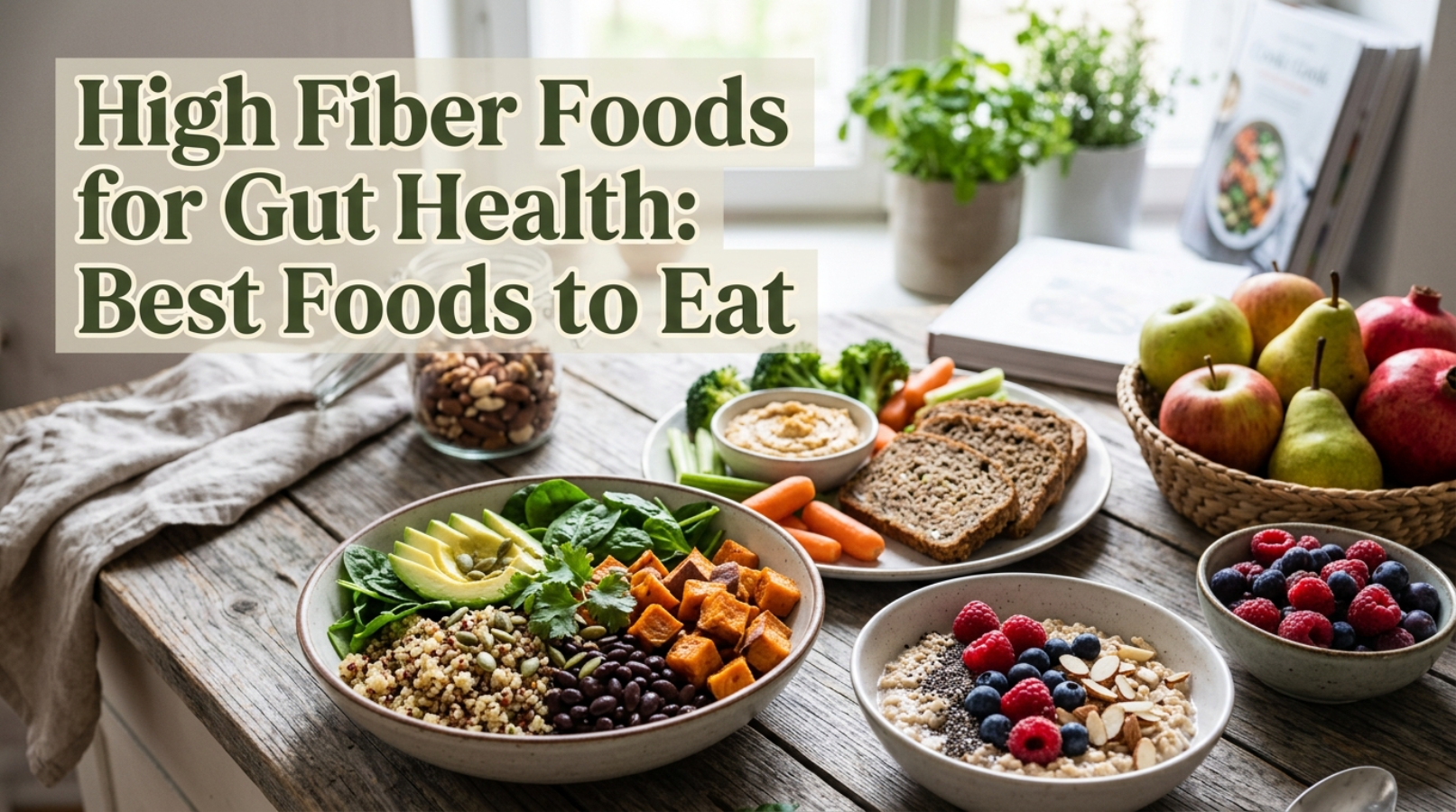
If you’re trying to improve your digestion, one of the smartest places to start is your grocery cart. Choosing high fiber foods for gut health doesn’t require a restrictive diet or expensive supplements. In most cases, it simply means eating more whole plant foods that nourish both your body and the trillions of beneficial bacteria living in your digestive system.
I learned this firsthand after replacing my usual processed afternoon snacks with fruit, nuts, and roasted chickpeas. It wasn’t a dramatic overnight transformation, but after a couple of weeks, my digestion felt more predictable, and I stayed full much longer between meals. That experience reminded me that lasting gut health usually comes from consistent habits rather than quick fixes.
Quick Answer
High fiber foods for gut health include beans, lentils, oats, berries, apples, pears, broccoli, Brussels sprouts, sweet potatoes, whole grains, nuts, and seeds. These foods provide different types of dietary fiber that help feed beneficial gut bacteria, support regular digestion, and promote a healthier gut microbiome when eaten as part of a balanced diet.
For the best results, increase your fiber intake gradually and drink plenty of water.
Why Fiber Plays Such an Important Role in Gut Health
Fiber is different from most carbohydrates because your body doesn’t fully digest it.
Instead, much of it travels through your digestive tract, where it supports healthy digestion in several ways. Certain fibers help keep bowel movements regular, while others become food for beneficial bacteria living in your intestines.
Research suggests that these bacteria produce compounds called short-chain fatty acids when they ferment fiber. These compounds help support the intestinal lining and contribute to a healthy digestive environment.
That’s one reason respected organizations like the National Institutes of Health (NIH), Mayo Clinic, and Cleveland Clinic encourage eating a variety of fiber-rich whole foods.
Soluble vs. Insoluble Fiber
Understanding the two main types of fiber can help you build a healthier plate.
Soluble Fiber
Soluble fiber absorbs water and forms a gel-like substance during digestion.
Studies have found that it may help:
- Feed beneficial gut bacteria
- Promote fullness after meals
- Support healthy cholesterol levels
- Help maintain healthy blood sugar levels
Good sources include:
- Oats
- Barley
- Apples
- Pears
- Citrus fruits
- Beans
- Lentils
- Chia seeds
- Flaxseed
Insoluble Fiber
Insoluble fiber adds bulk to stool and helps move food through the digestive tract.
Excellent sources include:
- Whole wheat
- Brown rice
- Broccoli
- Carrots
- Kale
- Green beans
- Cauliflower
- Nuts
- Seeds
Most whole foods naturally provide a combination of both types, making variety more valuable than focusing on one specific source.
The Best High Fiber Foods for Gut Health
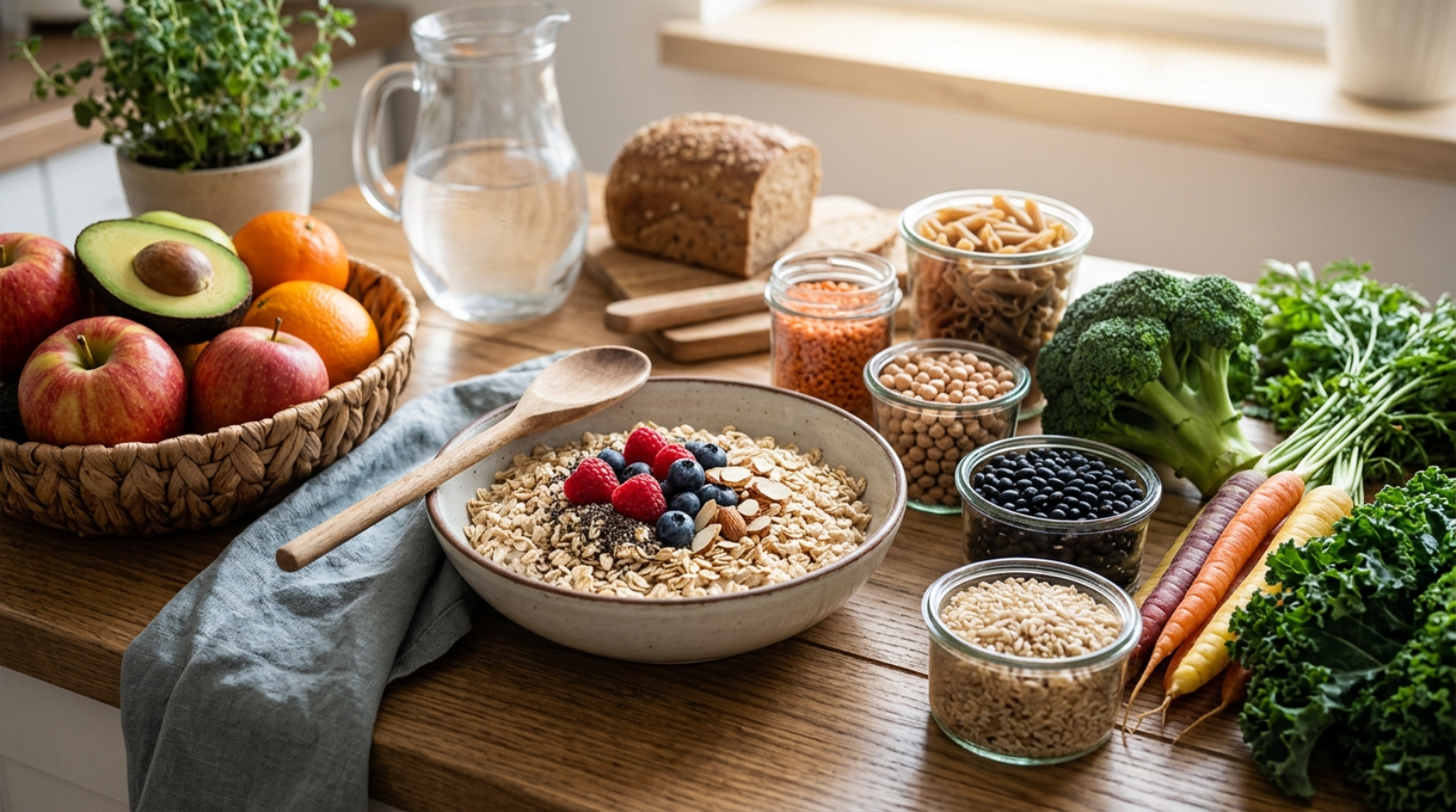
Rather than searching for one “superfood,” think about building your meals from several fiber-rich ingredients throughout the day.
1. Oats
Oats are one of the easiest ways to increase your fiber intake.
They’re rich in beta-glucan, a type of soluble fiber that research suggests supports heart health while also nourishing beneficial gut bacteria.
Simple ways to enjoy oats include:
- Overnight oats
- Warm oatmeal
- Homemade granola
- Smoothies
2. Lentil
Lentils are nutritional powerhouses.
Along with fiber, they provide plant protein, iron, folate, and other important nutrients.
They work well in:
- Soups
- Stews
- Grain bowls
- Salads
- Curries
If you’re new to eating legumes, start with small portions and increase gradually.
3. Black Beans
Black beans offer an impressive combination of fiber and protein.
I often recommend keeping canned black beans in the pantry because they make healthy meals much easier during busy weeks.
Try adding them to:
- Tacos
- Burrito bowls
- Chili
- Salads
- Rice dishes
Rinsing canned beans before using them can help reduce excess sodium.
4. Chickpeas
Chickpeas are incredibly versatile.
They’re equally delicious in salads, soups, roasted as crunchy snacks, or blended into hummus.
Because they contain both soluble and insoluble fiber, they contribute to digestive health while making meals more satisfying.
5. Apples
An apple remains one of the simplest high-fiber snacks available.
Much of its fiber is found in the skin, so it’s usually best to eat apples unpeeled after washing them thoroughly.
Pair apple slices with almond butter or peanut butter for a snack that combines fiber, healthy fat, and protein.
6. Pears
Pears deserve more attention.
They’re naturally sweet, easy to pack, and among the higher-fiber fruits available in most grocery stores.
Like apples, keeping the edible skin on provides additional fiber.
7. Berries
Blueberries, raspberries, blackberries, and strawberries all support a healthy diet.
Raspberries and blackberries are especially rich in fiber while also providing antioxidants and vitamins.
Try adding berries to:
- Yogurt
- Oatmeal
- Smoothies
- Cottage cheese
- Whole grain cereal
8. Broccoli
Broccoli offers much more than fiber.
It’s also rich in vitamins C and K along with plant compounds that contribute to overall wellness.
Roasting broccoli with olive oil and garlic is one of my favorite ways to make it more appealing for people who think they don’t like vegetables.
9. Brussels Sprouts
Brussels sprouts have earned a much better reputation in recent years.
Roasting them until lightly caramelized transforms both their flavor and texture.
Combined with olive oil, herbs, and a squeeze of lemon, they become one of the easiest ways to increase vegetable intake.
10. Sweet Potatoes
Sweet potatoes are filling, naturally sweet, and rich in fiber.
Leaving the skin on after washing adds even more fiber.
They’re delicious roasted, mashed, or baked and pair well with lean proteins and vegetables.
Whole Grains That Support Gut Health
Whole grains contain significantly more fiber than refined grains because they retain the bran and germ.
Excellent choices include:
- Brown rice
- Quinoa
- Barley
- Whole wheat pasta
- Whole grain bread
- Farro
Replacing refined grains one meal at a time is often an easier habit to maintain than making dramatic dietary changes overnight.
Nuts and Seeds: Small Foods With Big Benefits
Nuts and seeds don’t usually get as much attention as fruits and vegetables, but they’re an easy way to boost your daily fiber intake.
They’re also packed with healthy fats, plant protein, vitamins, and minerals that support overall wellness.
Chia Seeds
Chia seeds absorb liquid and form a gel-like texture, making them a favorite ingredient for overnight oats and puddings.
They’re easy to add to:
- Smoothies
- Yogurt
- Oatmeal
- Homemade energy bites
Just one small serving can noticeably increase the fiber content of a meal.
Ground Flaxseed
Ground flaxseed blends into foods without changing the flavor very much.
Try mixing it into:
- Oatmeal
- Pancake batter
- Smoothies
- Yogurt
Grinding flaxseed helps your body absorb more of its nutrients.
Almonds and Walnuts
A handful of almonds or walnuts makes a satisfying snack that combines fiber with healthy fats.
They’re also great sprinkled over salads or oatmeal for added texture and flavor.
Why Variety Matters More Than One “Superfood”
People often ask me which single food is best for gut health.
The honest answer is that there isn’t one.
Your gut microbiome benefits from diversity.
Different bacteria prefer different types of fiber, so eating a wide variety of plant foods helps nourish a broader range of beneficial microbes.
Instead of eating oatmeal every morning and calling it done, rotate your choices throughout the week.
For example:
- Oats on Monday
- Quinoa on Tuesday
- Barley on Wednesday
The same idea applies to fruits, vegetables, legumes, nuts, and seeds.
Small changes create a more diverse menu for your gut bacteria.
Easy Ways to Eat More Fiber Every Day
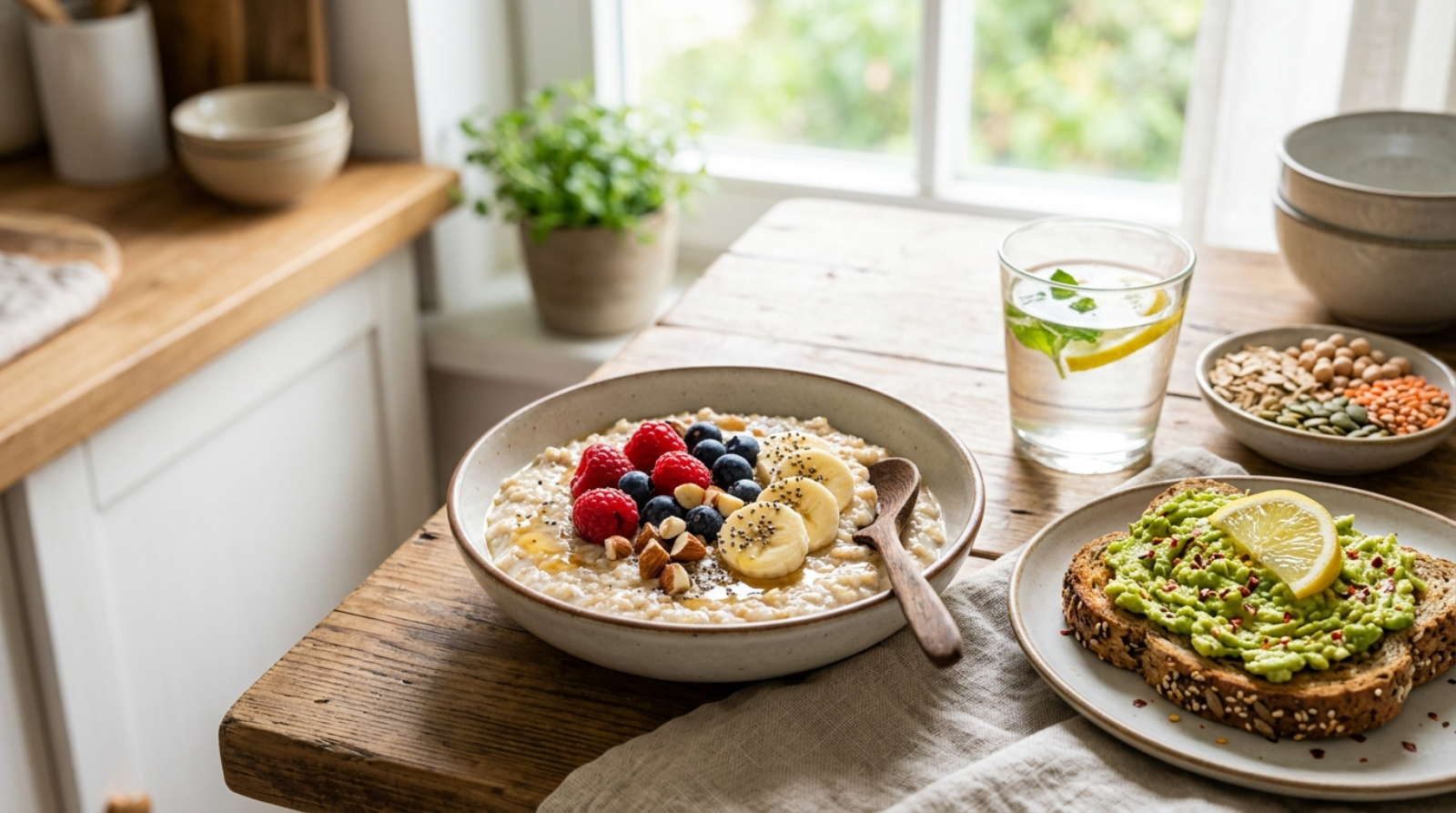
You don’t have to completely change your diet to increase fiber.
Simple swaps often make the biggest difference.
Breakfast
Instead of:
- Sugary cereal
Try:
- Oatmeal topped with berries, walnuts, and ground flaxseed.
Lunch
Instead of:
- White bread sandwich
Try:
- Whole grain sandwich with spinach, tomato, avocado, and a side of apple slices
Snack
Instead of:
- Potato chips
Try:
- Roasted chickpeas
- Mixed nuts
- Fresh fruit
- Air-popped popcorn
Dinner
Instead of:
- White rice and very few vegetables
Try:
- Brown rice
- Black beans
- Roasted broccoli
- Grilled salmon or chicken
These changes don’t feel overwhelming, but together they can significantly improve your daily fiber intake.
Common Mistakes When Eating More Fiber
Adding fiber is generally a healthy decision, but there are a few pitfalls worth avoiding.
Increasing Fiber Too Quickly
If you’ve ever gone from eating mostly processed foods to filling every meal with beans and raw vegetables, you probably know how uncomfortable that can feel.
Gas and bloating are common when fiber intake increases too rapidly.
A gradual approach usually works much better.
Forgetting to Drink Water
Fiber works best alongside proper hydration.
Without enough fluids, digestion may actually become more difficult.
Aim to drink water consistently throughout the day rather than waiting until you’re thirsty.
Relying Only on Supplements
Fiber supplements can help some people, but whole foods remain the better long-term choice.
Whole foods provide many nutrients beyond fiber that supplements simply don’t contain.
Eating the Same Foods Every Day
Even healthy foods become less valuable when they’re your only source of fiber.
Rotate different:
- Fruits
- Vegetables
- Beans
- Whole grains
- Nuts
- Seeds
A colorful plate usually supports a healthier and more diverse gut microbiome.
Can High Fiber Foods Help With Weight Management?
Many high-fiber foods naturally keep you feeling full longer.
That’s one reason people often find it easier to avoid unnecessary snacking after eating meals rich in whole grains, beans, vegetables, and fruit.
Fiber isn’t a weight-loss miracle, but it can make healthy eating more satisfying.
For example, a breakfast of oatmeal topped with berries and walnuts typically keeps me full much longer than a pastry or sugary cereal.
Small differences like that add up over time.
Who Should Be Careful About Increasing Fiber?
Although fiber is healthy for most people, some digestive conditions require a more individualized approach.
Speak with your healthcare provider before making major dietary changes if you have:
- Irritable bowel syndrome (IBS)
- Crohn’s disease
- Ulcerative colitis
- Inflammatory bowel disease (IBD)
- Recent gastrointestinal surgery
- Conditions requiring a temporary low-fiber diet
Some people benefit from increasing fiber, while others may need to adjust their intake during symptom flare-ups.
That’s why personalized medical advice is always valuable.
High Fiber Eating Is About Everyday Habits
The healthiest diets aren’t built around perfection.
They’re built around consistency.
A bowl of oatmeal for breakfast.
Beans added to soup.
Fresh berries with yogurt.
Roasted vegetables at dinner.
None of those choices seem extraordinary on their own, but together they create an eating pattern that supports your digestive system day after day.
Frequently Asked Questions
What are the best high fiber foods for gut health?
Some of the best high fiber foods for gut health include oats, beans, lentils, chickpeas, apples, pears, raspberries, blackberries, broccoli, Brussels sprouts, sweet potatoes, whole grains, chia seeds, flaxseed, almonds, and walnuts. Eating a variety of these foods helps nourish beneficial gut bacteria and supports healthy digestion.
How much fiber should I eat each day?
General nutrition guidelines recommend about 25 grams of fiber per day for most adult women and 38 grams per day for most adult men. Individual needs vary based on age, activity level, and overall health. If you’re currently eating a low-fiber diet, increase your intake gradually rather than trying to reach these amounts overnight.
Can eating more fiber improve my gut microbiome?
Research suggests it can. Beneficial bacteria in your digestive tract ferment certain types of dietary fiber, producing compounds that help support the intestinal lining and overall gut health. Eating a wide variety of plant-based foods may also encourage greater microbial diversity, which is considered a positive sign of a healthy microbiome.
Can high fiber foods cause bloating?
Yes, especially if you increase your fiber intake too quickly. Temporary gas or bloating is common while your digestive system adjusts. Gradually adding fiber-rich foods and drinking enough water usually helps minimize discomfort.
Is it better to get fiber from food or supplements?
Whole foods are generally the best choice because they provide fiber along with vitamins, minerals, antioxidants, and other beneficial plant compounds. Fiber supplements can be useful for some people, but they should complement a balanced diet rather than replace naturally fiber-rich foods.
Medical Disclaimer
This article is intended for educational purposes only and should not be considered medical advice. Nutrition needs vary from person to person, and digestive symptoms can have many different causes. If you have ongoing gastrointestinal symptoms, irritable bowel syndrome (IBS), inflammatory bowel disease (IBD), or another medical condition, consult your physician or a registered dietitian before making significant dietary changes or using fiber supplements.
Final Thoughts
Adding more high fiber foods for gut health doesn’t have to mean following a complicated eating plan or buying expensive specialty products. The biggest improvements often come from ordinary foods that have been sitting in the grocery store all along—oats, beans, berries, apples, vegetables, whole grains, nuts, and seeds.
From my experience, the people who build lasting healthy habits aren’t the ones chasing every new nutrition trend. They’re the ones making simple, repeatable choices every day. Swapping white bread for whole grain, adding lentils to soup, choosing fruit instead of processed snacks, or filling half the dinner plate with vegetables may seem like small steps, but those decisions can have a meaningful impact over time.
Remember that your gut microbiome thrives on diversity. Instead of relying on one “superfood,” aim to eat a colorful mix of plant-based foods throughout the week. Each different fruit, vegetable, whole grain, or legume provides unique fibers that help nourish different types of beneficial bacteria.
Most importantly, be patient with yourself. If you’ve been eating a low-fiber diet, your digestive system may need time to adjust. Increase your fiber gradually, stay hydrated, and focus on consistency instead of perfection. Those steady habits are far more likely to support long-term digestive wellness than any quick-fix approach.

Here’s a short Gutrova-style author biography for Josh Axe:
Josh Axe
Josh Axe is a wellness expert, author, and educator known for his work in nutrition, natural health, and gut wellness. As a contributor to Gutrova, he shares practical insights on digestive health, healthy eating habits, and lifestyle strategies that help readers build a stronger foundation for overall well being. His content focuses on making wellness simple, actionable, and accessible for everyday life.