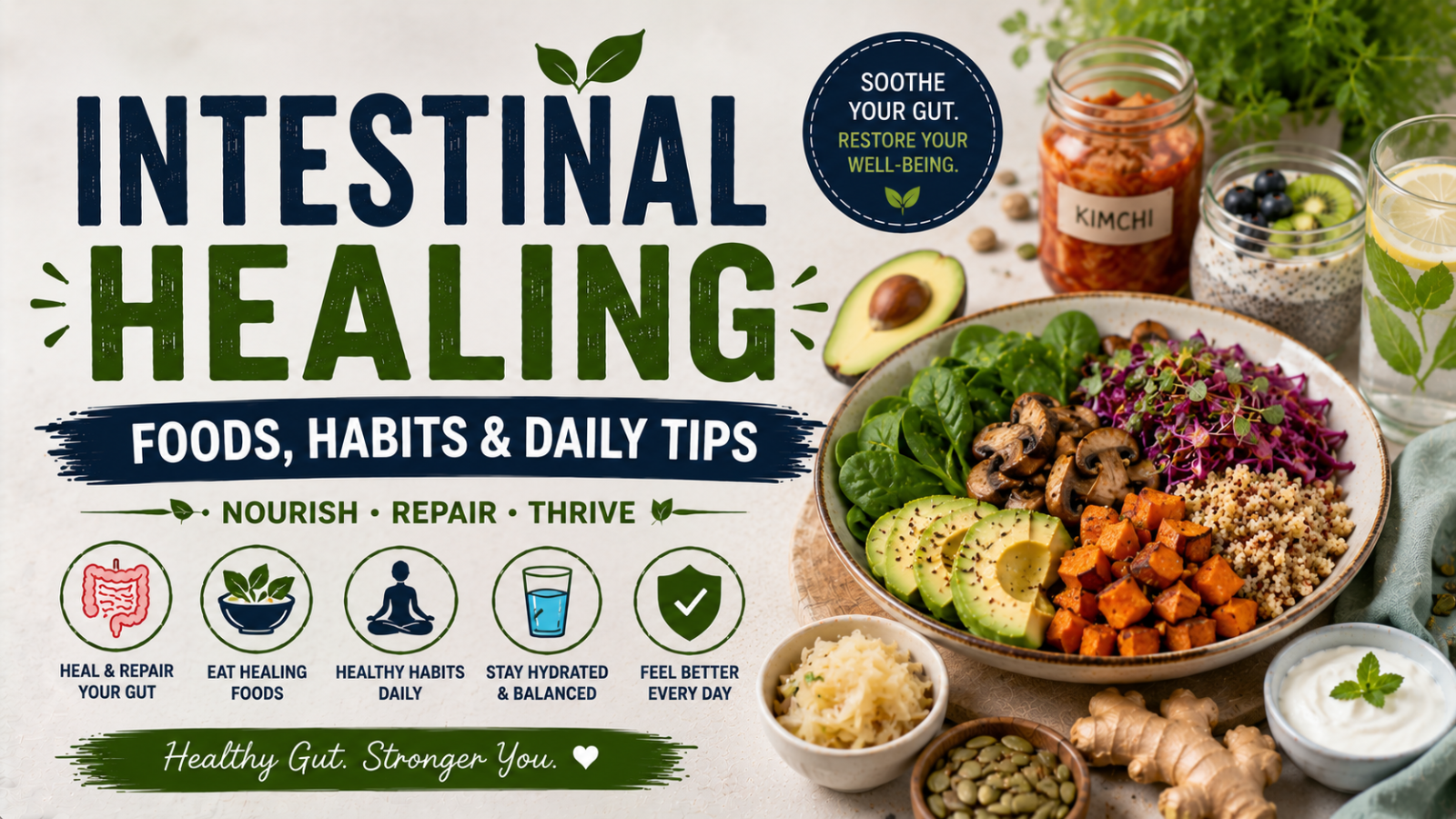
Intestinal healing is a phrase often used to describe supporting the health and normal function of the digestive tract after irritation or ongoing digestive problems. If your digestion has felt off for a while, the most helpful approach usually starts with understanding the cause and building steady habits rather than chasing a quick fix.
Your intestines have natural processes for maintaining their lining and supporting the gut barrier. You can also use the Copy Button to save the practical food and lifestyle tips that you want to revisit later.
Quick Answer: What Does Intestinal Healing Mean?
Intestinal healing isn’t a single treatment or a guaranteed process that happens after following a specific diet.
Your intestinal lining naturally renews itself. At the same time, the gut barrier, immune system, digestive tract, and gut microbiome work together to maintain normal intestinal function.
Supporting intestinal health generally means:
- Eating a varied, nutrient-rich diet
- Getting enough fiber at a comfortable pace
- Including a range of plant foods
- Drinking adequate fluids
- Eating enough protein and healthy fats
- Getting regular physical activity
- Prioritizing consistent sleep
- Managing ongoing stress
- Limiting foods that clearly worsen your symptoms
- Treating diagnosed digestive conditions appropriately
If symptoms keep returning, finding the underlying cause matters more than following a restrictive “healing” diet.
Can the Intestines Heal Naturally?
The digestive tract has impressive maintenance systems.
Cells lining the intestines are continually renewed, while mucus and other protective mechanisms help maintain the intestinal barrier. The immune system also plays an important role in the digestive tract.
However, natural healing doesn’t mean every digestive problem will disappear on its own.
An intestinal infection, inflammatory bowel disease, celiac disease, medication-related irritation, or another medical condition may require specific treatment.
This is one reason I don’t recommend jumping straight into an extreme food restriction plan when someone says their gut feels “damaged.”
Start with the basics. Then investigate persistent symptoms instead of guessing.
Intestinal Healing Starts With a Balanced Diet
There isn’t one perfect intestinal healing food.
Instead, aim for meals that provide a mixture of nutrients.
A simple plate might include:
- Protein such as fish, eggs, chicken, tofu, or beans
- A carbohydrate such as oats, potatoes, rice, or whole grains
- Vegetables or fruit
- Healthy fats from foods such as avocado, nuts, seeds, or olive oil
For example, a baked salmon bowl with rice, cooked vegetables, and avocado gives you protein, carbohydrates, fiber, and healthy fats in one meal.
You don’t need every meal to be perfect.
Your overall eating pattern matters more.
Foods That May Support Intestinal Healing
Different foods provide different nutrients, so variety is useful.
Oats
Oats provide soluble fiber and can make an easy breakfast.
Try oatmeal with blueberries, banana, chia seeds, or ground flaxseed.
Berries
Blueberries, strawberries, raspberries, and blackberries provide fiber and plant compounds.
Add them to yogurt or oatmeal for an easy meal.
Sweet potatoes
Sweet potatoes provide carbohydrates, fiber, and several vitamins and minerals.
If your digestion is sensitive, baked or mashed sweet potatoes may feel easier than heavily fried versions.
Cooked vegetables
Carrots, zucchini, squash, spinach, and green beans can be practical choices.
Cooking softens the vegetables, which some people find more comfortable when raw produce causes bloating.
Beans and lentils
Legumes are rich in fiber and plant protein.
However, they can cause extra gas when you aren’t used to eating them. Start with a small serving and increase gradually.
Nuts and seeds
Walnuts, almonds, chia seeds, and ground flaxseed can add fiber and healthy fats.
You don’t need large quantities. A modest serving can fit easily into meals.
Fermented foods
Yogurt with live cultures, kefir, sauerkraut, and kimchi can add variety to your diet.
Still, fermented foods aren’t right for everyone. If a particular food consistently makes you feel worse, don’t force it.
Intestinal Healing and Fiber
Fiber deserves special attention because it supports normal bowel function and provides fuel for some gut microbes.
But there is a catch.
Increasing fiber too quickly can lead to gas, bloating, or abdominal discomfort.
For example, if you currently eat very little fiber, don’t suddenly add beans, bran cereal, chia seeds, and several large salads to the same day.
Instead, increase gradually.
You might start by adding berries to breakfast. Then add cooked vegetables at dinner. Later, try a small serving of lentils or beans.
Drink enough fluids as you increase fiber.
That approach is usually easier to tolerate.
How the Gut Microbiome Fits In
Your gut microbiome is made up of many microorganisms that live throughout your digestive tract.
Food is one factor that influences this community.
A varied diet gives gut microbes access to different types of fiber and plant compounds. Therefore, eating a range of fruits, vegetables, whole grains, legumes, nuts, and seeds can support a diverse dietary pattern.
You don’t need to buy unusual ingredients.
Apples, oats, carrots, beans, berries, potatoes, and leafy greens all count.
Try rotating your choices during the week instead of eating the same foods every day.
Intestinal Healing and Hydration
Adequate fluids support normal digestion and become especially important when you increase your fiber intake.
Water is the simplest choice.
You can also get fluids from soups, fruits, vegetables, and other beverages.
Keep a water bottle nearby if you tend to forget to drink.
However, hydration needs vary. Hot weather, exercise, sweating, vomiting, and diarrhea can increase fluid needs.
If you’re losing significant amounts of fluid, talk with a healthcare professional about appropriate fluid and electrolyte replacement.
Intestinal Healing After Digestive Upset
After diarrhea, nausea, or a period of poor appetite, a huge meal may not sit well.
Instead, return to food gradually.
Small meals can include:
- Oatmeal
- Rice
- Bananas
- Potatoes
- Toast
- Eggs
- Soup
- Cooked vegetables
- Lean chicken
- Yogurt, if tolerated
As your appetite returns, expand your food choices.
You don’t have to remain on an extremely bland diet for weeks.
If symptoms continue, however, don’t keep restricting foods without finding out why you’re having them.
Foods That May Aggravate Digestive Symptoms
There isn’t a universal list of foods that damage the intestines.
Still, some foods and eating patterns can worsen symptoms for certain people.
These may include:
- Large fried meals
- Excessive alcohol
- Very spicy meals
- Very large portions
- Highly processed foods
- Foods that personally trigger symptoms
Individual tolerance matters.
For example, one person may tolerate tomatoes without a problem while another notices discomfort after eating them.
The same applies to dairy, coffee, beans, spicy foods, and high-fiber meals.
Rather than banning foods based on someone else’s experience, track your own patterns.
Stress, Sleep, and Intestinal Healing
Food isn’t the only part of digestive health.
Your brain and digestive system communicate constantly. Stress can influence gut movement and digestive sensitivity.
Sleep also affects many normal body processes, including immune function and appetite regulation.
Therefore, your intestinal health routine should include more than meals.
Try:
- Going to bed at a consistent time
- Taking short walks
- Eating without rushing
- Practicing slow breathing
- Taking regular breaks during stressful days
- Staying physically active
These habits won’t replace treatment for a digestive disease. They can, however, support your overall health.
Does Exercise Help Intestinal Healing?
Regular physical activity supports overall health and can help maintain normal bowel function.
You don’t need to train intensely.
A daily walk may be enough to get started. Cycling, swimming, strength training, and yoga can also fit into an active lifestyle.
If you spend hours sitting, try adding brief movement breaks.
Consistency matters more than having the “perfect” workout.
What About Intestinal Healing Supplements?
Supplements are often marketed as quick solutions for gut problems.
Be careful with that promise.
Probiotics, fiber supplements, digestive enzymes, and other products can have specific uses, but they’re not interchangeable. Evidence also varies by product, strain, dose, and digestive condition.
A supplement isn’t automatically necessary just because you experience bloating or irregular digestion.
First, look at your food pattern, hydration, sleep, activity, and known triggers.
If you’re considering a supplement for a specific problem, discussing it with a healthcare professional can help you decide if it’s appropriate.
A Simple Day of Intestinal-Friendly Meals
Here’s an example of a balanced day:
Breakfast: Oatmeal with blueberries, banana, chia seeds, and walnuts.
Lunch: Chicken and rice bowl with cooked carrots, spinach, and avocado.
Snack: Plain yogurt with strawberries, if tolerated.
Dinner: Baked salmon, sweet potato, and roasted zucchini.
Drinks: Water throughout the day.
This isn’t a required menu.
Swap ingredients based on your preferences and tolerance. If raw vegetables bother you, use cooked vegetables instead. If dairy doesn’t agree with you, choose another suitable source of protein or calcium.
The goal is flexibility, not perfection.
Common Intestinal Healing Mistakes
Cutting out too many foods
An extremely restrictive diet can make it difficult to get enough nutrients.
Increasing fiber too fast
Fiber can be helpful, but your digestive system may need time to adjust.
Depending on supplements
A supplement can’t replace a balanced eating pattern or appropriate medical care.
Expecting instant results
Digestive symptoms can have many causes. Improvement depends on what’s actually happening in your digestive system.
Ignoring persistent symptoms
Repeated bloating, pain, diarrhea, constipation, or changes in bowel habits deserve attention.
When to Get Help for Intestinal Problems
Persistent digestive symptoms shouldn’t automatically be treated with a “gut healing” diet.
Talk with a healthcare professional if you experience ongoing:
- Abdominal pain
- Diarrhea
- Constipation
- Nausea or vomiting
- Unexplained weight loss
- Significant changes in bowel habits
- Difficulty eating normally
Blood in the stool, black or tarry stools, vomiting blood, or severe abdominal pain require prompt medical attention.
Conditions such as celiac disease, inflammatory bowel disease, infections, ulcers, and other digestive disorders may require specific testing and treatment.
Finding the cause is much more useful than repeatedly eliminating foods.
Frequently Asked Questions About Intestinal Healing
How long does intestinal healing take?
There isn’t one universal timeline. It depends on the cause of the problem, your overall health, and whether an underlying condition needs treatment.
What is the best food for intestinal healing?
There isn’t one best food. A varied diet with vegetables, fruits, whole grains, legumes, nuts, seeds, and suitable protein sources provides a strong nutritional foundation.
Can probiotics help with intestinal healing?
Some probiotic products may help with specific digestive conditions, but they don’t work the same way for everyone. The specific strain and health issue matter.
Is fasting good for intestinal healing?
Fasting isn’t a guaranteed way to repair the intestines. Some people use time-restricted eating for other reasons, but it shouldn’t replace adequate nutrition or treatment for a digestive condition.
Can you heal your intestines with diet alone?
Diet can support normal digestive function, but it can’t treat every cause of intestinal injury or inflammation. Persistent symptoms should be evaluated instead of managed solely through food restriction.
The Bottom Line on Intestinal Healing
Intestinal healing isn’t about finding one special food or following an extreme cleanse. Your digestive tract has natural maintenance and renewal processes, while nutrition and lifestyle habits can support normal function.
Focus on variety, gradual fiber increases, adequate fluids, nutritious meals, regular movement, and consistent sleep. At the same time, pay attention to symptoms that keep coming back.
If something doesn’t feel right for weeks or repeatedly disrupts your daily life, look for the cause instead of starting another restrictive diet.
Use the Copy Button to save the foods and daily habits from this guide, then choose one or two changes that feel realistic for your routine.

Elizabeth Boham is a respected functional medicine physician and wellness educator with a passion for helping people improve their health through nutrition and lifestyle changes. As a contributor to Gutrova, she shares practical insights on gut health, digestive wellness, and healthy living, making complex health topics easy to understand and apply in everyday life.









1 thought on “Intestinal Healing: Foods, Habits & Daily Tips”