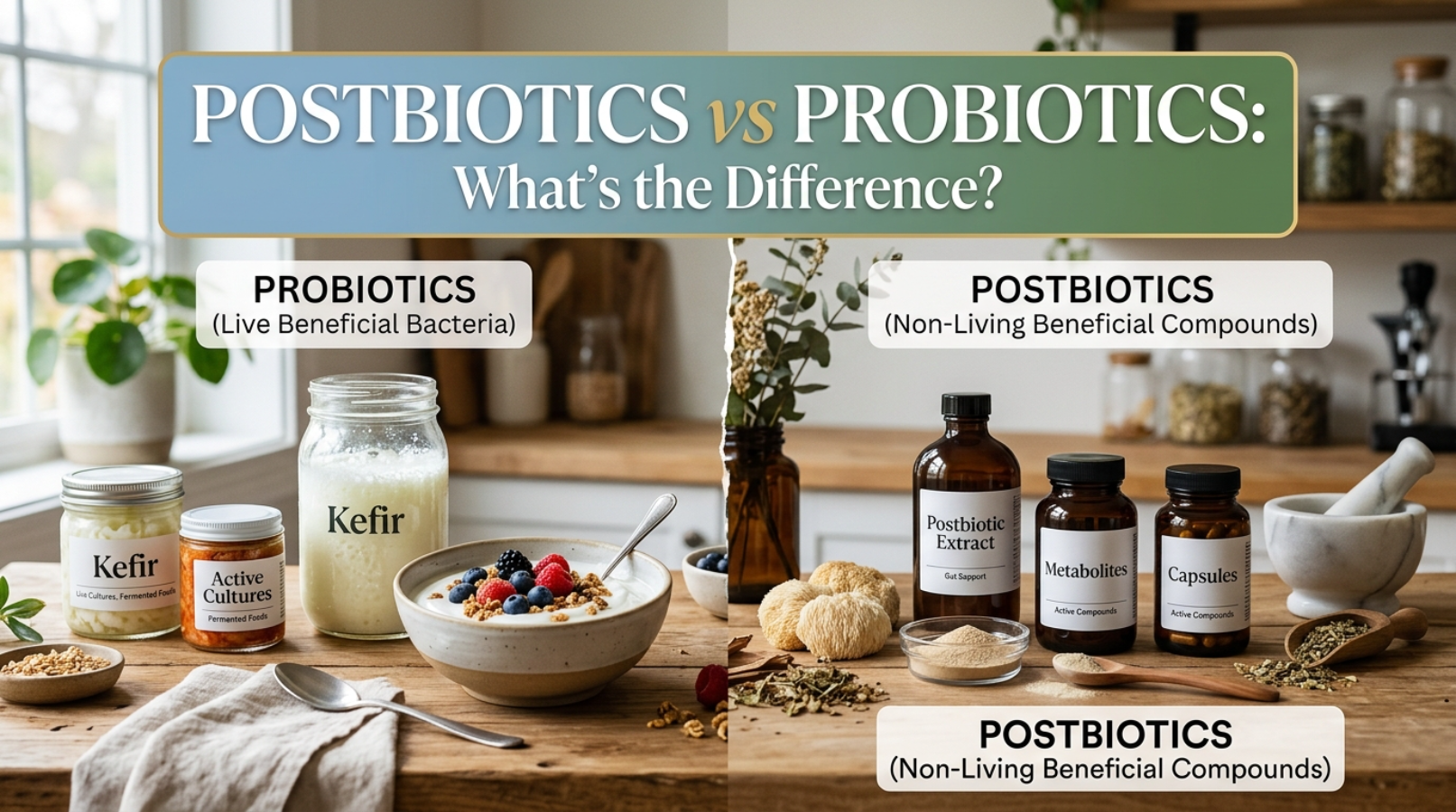
Postbiotics vs probiotics is a comparison that’s becoming more common as gut health research continues to evolve. While probiotics have been in the spotlight for years, postbiotics are now gaining attention for their potential role in supporting digestive and immune health. Understanding how they differ can help you make more informed choices instead of simply following the latest wellness trend.
I remember standing in the supplement aisle trying to compare dozens of products with nearly identical labels. Some promised billions of live bacteria, while others claimed to contain postbiotics for gut support. It quickly became clear that knowing the terminology mattered just as much as choosing the product itself. Once I understood how each one works, reading those labels became much less confusing.
Quick Answer
The biggest difference between postbiotics vs probiotics is that probiotics are live beneficial microorganisms, while postbiotics are beneficial compounds produced by those microorganisms during fermentation. Probiotics aim to introduce helpful bacteria into the gut, whereas postbiotics provide the substances those bacteria naturally create, such as short-chain fatty acids, enzymes, peptides, and other bioactive compounds.
Both play different roles in gut health, and neither is automatically better than the other. The right choice depends on your health goals, diet, and advice from your healthcare provider.
Understanding the Gut Microbiome
Before comparing postbiotics and probiotics, it helps to understand the environment where they work.
Your digestive tract is home to trillions of microorganisms, including bacteria, fungi, and other microbes. Together, they form the gut microbiome—a complex ecosystem that helps digest food, produces certain nutrients, and interacts with your immune system.
Research suggests that a diverse and balanced microbiome is associated with better digestive and overall health. That’s one reason nutrition experts encourage eating a varied diet rich in fruits, vegetables, legumes, whole grains, and fermented foods.
Major organizations such as the National Institutes of Health (NIH), Mayo Clinic, and Cleveland Clinic recognize the growing importance of gut microbiome research, although many questions continue to be studied.
What Are Probiotics?
Probiotics are live microorganisms that may provide health benefits when consumed in adequate amounts.
You can think of them as friendly bacteria that help support the balance of microbes already living in your digestive system.
Research suggests certain probiotic strains may help support digestive health, although their effects depend on the specific strain, dose, and individual person.
Not every probiotic works the same way.
That’s an important detail many advertisements leave out.
Common Food Sources of Probiotics
Many probiotic foods have been enjoyed for generations.
Examples include:
- Yogurt with live cultures
- Kefir
- Sauerkraut
- Kimchi
- Miso
- Tempeh
- Kombucha
Some dietary supplements also contain carefully selected probiotic strains.
What Are Postbiotics?
Postbiotics are the beneficial compounds produced when beneficial bacteria digest and ferment certain nutrients, particularly dietary fiber.
Unlike probiotics, postbiotics are not living organisms.
Instead, they include substances such as:
- Short-chain fatty acids
- Peptides
- Enzymes
- Organic acids
- Cell wall fragments
- Other bioactive compounds
These compounds are naturally produced inside your digestive system every day when beneficial bacteria ferment fiber-rich foods.
That’s one reason nutrition experts continue encouraging diets rich in fruits, vegetables, legumes, and whole grains.
How Are Postbiotics Produced?
Imagine your gut bacteria as tiny workers inside a busy kitchen.
The fiber you eat becomes their ingredients.
As they “prepare” those ingredients through fermentation, they create useful byproducts.
Those byproducts are the postbiotics.
This is one reason eating plenty of plant foods supports gut health even if you’re not taking supplements.
The healthier your gut bacteria, the more opportunity they have to produce these beneficial compounds naturally.
Postbiotics vs Probiotics: Key Differences
Although they’re closely connected, postbiotics and probiotics are not the same thing.
| Feature | Probiotics | Postbiotics |
|---|---|---|
| What they are | Live beneficial microorganisms | Beneficial compounds produced by bacteria |
| Living organisms? | Yes | No |
| Naturally found in | Fermented foods and supplements | Produced during bacterial fermentation |
| Primary role | Add beneficial microbes | Deliver beneficial microbial byproducts |
| Stability | More sensitive to heat and storage | Generally more stable |
Understanding this distinction makes it easier to evaluate products marketed for digestive health.
Potential Benefits of Probiotics
Research into probiotics continues to expand.
Some studies have found that certain probiotic strains may help:
- Support digestive balance
- Promote regular bowel habits
- Help restore gut bacteria after antibiotic use
- Support immune function
- Improve microbial diversity in some individuals
It’s important to remember that benefits often depend on the specific strain rather than simply taking “a probiotic.”
Different strains perform different functions.
Potential Benefits of Postbiotics
Postbiotic research is newer but growing rapidly.
Studies suggest postbiotics may:
- Help support the intestinal lining
- Contribute to a healthy gut environment
- Support normal immune responses
- Help maintain microbial balance
- Work alongside beneficial bacteria already present in the gut
Scientists continue studying exactly how different postbiotic compounds influence overall health, making this one of the most exciting areas of microbiome research.
Can You Get Postbiotics Naturally?
Yes. In fact, your body is designed to produce postbiotics every day.
When beneficial gut bacteria ferment dietary fiber, they naturally create postbiotic compounds. That’s why a diet rich in plant foods remains one of the best ways to support postbiotic production.
Foods that help nourish beneficial gut bacteria include:
- Oats
- Lentils
- Chickpeas
- Black beans
- Apples
- Pears
- Berries
- Broccoli
- Brussels sprouts
- Onions
- Garlic
- Asparagus
- Bananas
- Whole grains
You aren’t eating postbiotics directly from most of these foods. Instead, you’re feeding the bacteria that make them.
Which Is Better: Postbiotics or Probiotics?
This is probably the biggest question people ask.
The honest answer is that neither is universally better.
They simply work differently.
Think of probiotics as adding skilled workers to a team.
Postbiotics are the useful products those workers create once they’re doing their job.
One isn’t automatically more important than the other.
In many cases, they complement each other.
When Probiotics May Be Helpful
Some people choose probiotics when they want additional digestive support.
Research suggests certain probiotic strains may be useful in situations such as:
- After completing a course of antibiotics
- Supporting digestive balance during travel
- Promoting microbial diversity
- Maintaining digestive wellness
Because probiotic benefits are strain-specific, it’s important not to assume every supplement provides the same effects.
When Postbiotics May Be Worth Considering
Postbiotics have attracted attention because they don’t rely on live microorganisms.
Researchers are studying their potential advantages, including:
- Greater stability during storage
- Less sensitivity to heat
- Consistent delivery of beneficial compounds
- Potential support for the gut lining
- Immune system interactions
While the science is promising, many questions are still being explored, and postbiotics remain an active area of research.
Do You Need Supplements?
Not necessarily.
One of the biggest misconceptions in gut health is that everyone needs a supplement.
For many healthy adults, a balanced diet provides an excellent foundation.
If your meals regularly include:
- Fruits
- Vegetables
- Whole grains
- Legumes
- Fermented foods
you’re already supporting both beneficial gut bacteria and the natural production of postbiotics.
Supplements may be appropriate for some individuals, but they’re not a substitute for healthy eating habits.
Building a Gut-Friendly Plates
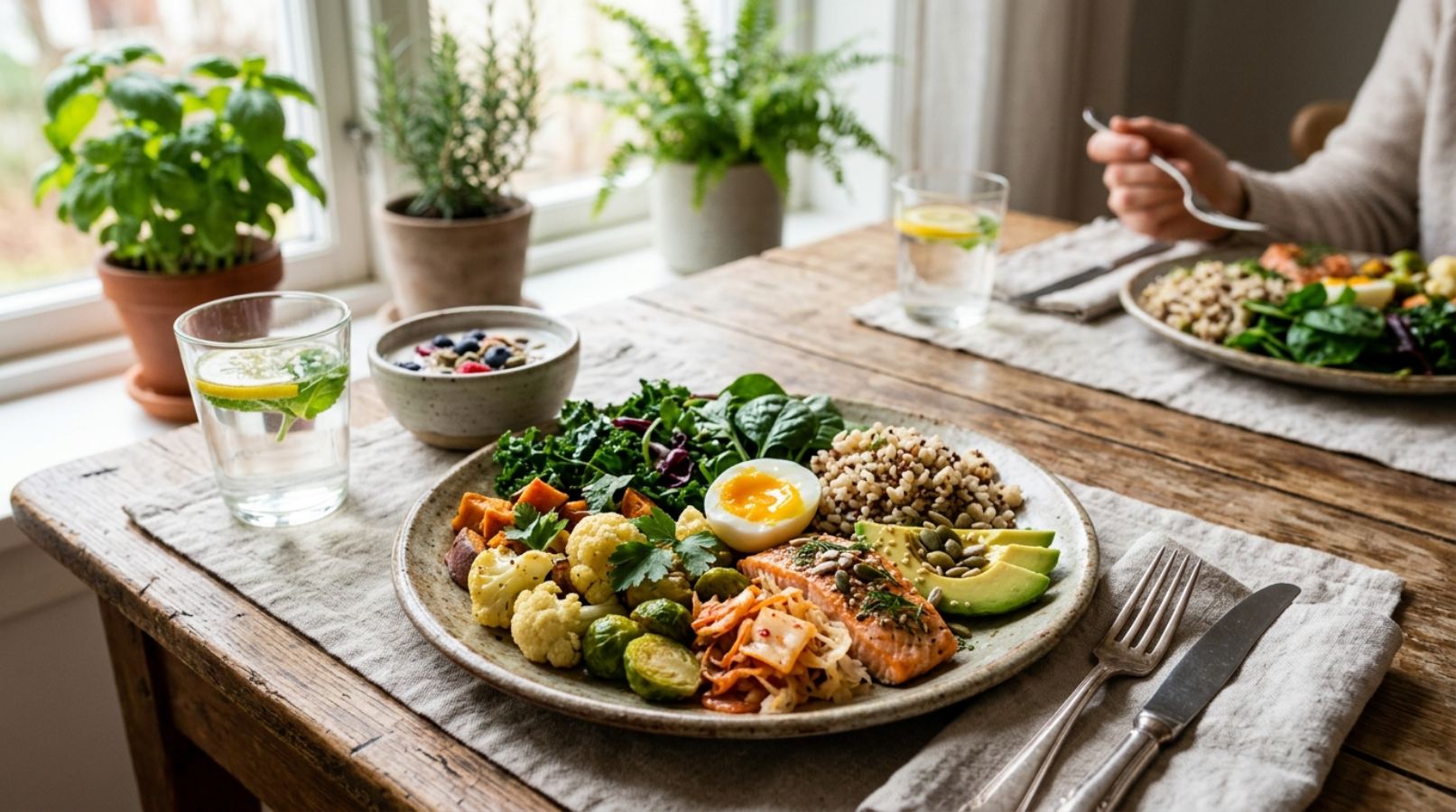
Rather than focusing on one ingredient, think about how your meals work together.
A gut-friendly plate might include:
Breakfast
Plain yogurt with live cultures, rolled oats, blueberries, walnuts, and ground flaxseed.
Lunch
A quinoa bowl with grilled chicken, spinach, roasted vegetables, and chickpeas.
Snack
Apple slices with almond butter.
Dinner
Grilled salmon, brown rice, roasted broccoli, and asparagus.
This type of eating pattern supplies fiber, fermented foods, vitamins, minerals, and plant compounds that help support a healthy microbiome.
Common Misunderstandings About Postbiotics and Probiotics
Myth: More bacteria always means better health.
Not necessarily.
A healthy microbiome is about balance and diversity rather than simply increasing bacterial numbers.
Myth: Every probiotic supplement works the same.
Different strains perform different functions.
The effectiveness of a probiotic depends on the specific strain, dosage, and the reason it’s being used.
Myth: Postbiotics replace probiotics.
Postbiotics don’t replace probiotics.
Instead, they’re different parts of the same biological process.
Beneficial bacteria create postbiotics as they digest nutrients.
Myth: Supplements are more important than food.
Food remains the foundation of digestive health.
Whole foods provide fiber, vitamins, minerals, antioxidants, and numerous plant compounds that supplements cannot fully replicate.
Supporting Your Gut Naturally
Some of the best ways to encourage a healthy gut microbiome don’t come from a supplement bottle.
Simple daily habits can make a meaningful difference:
- Eat a wide variety of fruits and vegetables.
- Include fiber-rich foods every day.
- Enjoy fermented foods if they fit your diet.
- Stay physically active.
- Drink enough water.
- Get adequate sleep.
- Manage long-term stress whenever possible.
These habits work together to support overall digestive wellness.
Who Should Talk With a Healthcare Professional?
Although probiotic and postbiotic products are widely available, they aren’t appropriate for everyone.
Speak with your healthcare provider before starting supplements if you:
- Have a weakened immune system
- Are receiving cancer treatment
- Recently had major surgery
- Have a serious digestive disorder
- Have concerns about supplement interactions
Personalized advice is especially important if you have ongoing gastrointestinal symptoms or chronic health conditions.
Frequently Asked Questions
What is the main difference between postbiotics vs probiotics?
The biggest difference is that probiotics are live beneficial microorganisms, while postbiotics are beneficial compounds produced by those microorganisms during the fermentation of dietary fiber. Probiotics introduce helpful bacteria, whereas postbiotics are the useful substances those bacteria naturally create.
Are postbiotics better than probiotics?
Not necessarily. Neither is universally better because they serve different purposes. Probiotics help support the balance of beneficial gut bacteria, while postbiotics provide bioactive compounds that may help support the gut lining and immune function. The best choice depends on your health needs and should be discussed with a healthcare professional if you have underlying medical conditions.
Can you get postbiotics from food?
You can support your body’s natural production of postbiotics by eating plenty of fiber-rich foods such as fruits, vegetables, legumes, oats, and whole grains. These foods feed beneficial gut bacteria, which then produce postbiotics through fermentation.
Should I take a probiotic or a postbiotic supplement?
Many healthy adults may not need either supplement if they regularly eat a balanced diet rich in plant foods and fermented foods. Supplements may be appropriate in certain situations, but it’s best to choose them based on your individual health needs and guidance from a healthcare provider.
Do postbiotics and probiotics work together?
Yes. They are closely connected. Beneficial probiotic bacteria naturally produce postbiotics as they break down dietary fiber in the digestive tract. Supporting a healthy gut microbiome through diet helps encourage this natural process.
Final Thoughts
Understanding postbiotics vs probiotics doesn’t have to be complicated. The easiest way to remember the difference is that probiotics are the beneficial microbes, while postbiotics are the helpful compounds those microbes produce after fermenting fiber. They’re connected, but they aren’t interchangeable.
One lesson I’ve learned while researching gut health is that people often spend more time comparing supplements than improving their everyday eating habits. Yet your daily food choices have a tremendous influence on your gut microbiome. Filling your plate with fruits, vegetables, legumes, whole grains, nuts, seeds, and fermented foods creates an environment where beneficial bacteria can thrive and naturally produce valuable postbiotic compounds.
Current research into postbiotics is exciting, but it’s also evolving. Scientists continue to study how these microbial byproducts influence digestive health, immune function, and the intestinal barrier. While supplements may benefit some individuals, they shouldn’t replace the foundations of a healthy lifestyle.
If your goal is long-term digestive wellness, focus on habits you can maintain. Eat a diverse range of fiber-rich foods, include fermented foods when appropriate, stay hydrated, exercise regularly, and get enough sleep. Those simple routines support a healthier gut ecosystem and provide benefits that extend well beyond digestion.

Here’s a short Gutrova-style author biography for Josh Axe:
Josh Axe
Josh Axe is a wellness expert, author, and educator known for his work in nutrition, natural health, and gut wellness. As a contributor to Gutrova, he shares practical insights on digestive health, healthy eating habits, and lifestyle strategies that help readers build a stronger foundation for overall well being. His content focuses on making wellness simple, actionable, and accessible for everyday life.