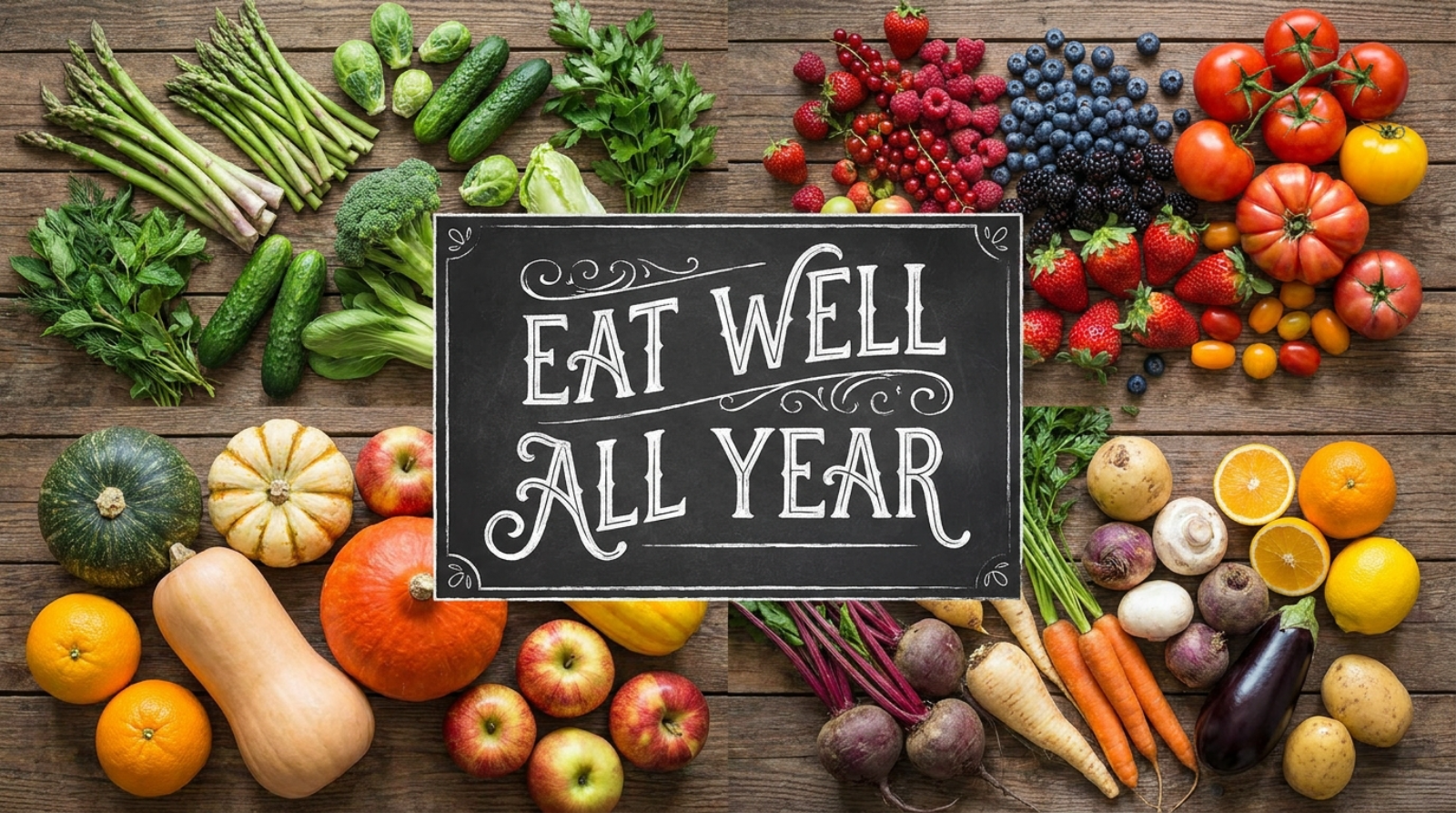
Seasonal nutrition can make healthy eating feel fresher, simpler, and more enjoyable throughout the year. Choosing foods that fit the season gives you more variety while helping you build meals around fruits, vegetables, whole grains, legumes, nuts, seeds, and other nutrient-rich foods. At Gutrova, you can also use the Copy Button to save and share the seasonal tips you want to come back to later.
Quick Answer: What Is Seasonal Nutrition?
Seasonal nutrition means adjusting your food choices throughout the year to include produce and meals that naturally fit the season. In practice, that can mean berries and tomatoes in summer, apples and squash in fall, citrus and hearty greens in winter, and asparagus or peas in spring.
For gut health, the biggest advantage isn’t finding a perfect seasonal food. Instead, it’s creating more variety across your diet. Fruits, vegetables, whole grains, beans, nuts, and seeds provide fiber and plant compounds that support a healthy eating pattern.
Why Seasonal Nutrition Can Be Good for Your Gut
Your digestive system interacts with the food you eat every day, so variety matters. Different plant foods provide different types of fiber and naturally occurring compounds. As a result, rotating your produce throughout the year can be a practical way to broaden the range of foods in your diet.
Fiber deserves special attention. Your body doesn’t fully digest dietary fiber, allowing much of it to reach the large intestine. There, gut microbes can use some types of fiber as a fuel source. Fiber also supports regular bowel movements and can help keep stool easier to pass.
I’ve found that seasonal eating also makes meal planning less boring. A bowl of oatmeal can feel completely different when you top it with summer berries instead of sliced apples and cinnamon in the fall.
That small change matters because healthy eating works better when you actually enjoy it.
Seasonal Nutrition Through the Four Seasons
Spring: Bring Fresh Greens Back to the Plate
Spring is a good time to add lighter, crisp produce to your meals. Depending on where you live, you may find asparagus, peas, leafy greens, radishes, strawberries, and other fresh options becoming easier to find.
Try adding spinach to eggs, peas to grain bowls, or asparagus to a simple dinner. You don’t need an elaborate recipe.
For breakfast, Greek yogurt with strawberries and chia seeds is an easy option. At lunch, toss leafy greens, chickpeas, cucumber, and a simple olive-oil dressing together. These combinations add fiber without making your meals feel heavy.
Summer: Take Advantage of Water-Rich Foods
Summer brings an especially wide range of fruits and vegetables. Berries, peaches, watermelon, tomatoes, cucumbers, zucchini, corn, peppers, and summer squash are common examples.
Many summer fruits and vegetables also contain plenty of water. That can contribute to your overall fluid intake, which is useful during hot weather.
One of my favorite approaches is keeping washed fruit and chopped vegetables ready in the refrigerator. When healthy food is already within reach, grabbing a peach or cucumber slices is much easier than searching for a snack at the last minute.
Fall: Add Fiber-Rich Comfort Foods
Fall naturally shifts meals toward apples, pears, pumpkin, sweet potatoes, winter squash, Brussels sprouts, carrots, and other hearty foods.
This is an excellent season for warm, fiber-rich meals. Think oatmeal with apples, lentil soup with carrots, roasted squash with beans, or a baked sweet potato topped with plain yogurt and pumpkin seeds.
However, don’t suddenly double your fiber intake just because the weather changes. A rapid increase can cause gas, bloating, or cramping. Mayo Clinic recommends increasing fiber gradually and drinking enough water as your body adjusts.
Winter: Make Plants Part of Comfort Food
Winter doesn’t have to mean abandoning fresh produce. Citrus fruits, apples, pears, cabbage, carrots, broccoli, cauliflower, kale, Brussels sprouts, and winter squash can all work well in colder months.
Frozen produce can also be useful. In fact, frozen fruits and vegetables can be nutritious, convenient choices, especially when fresh options are limited or expensive. Harvard Health notes that frozen fruit is often picked and frozen near harvest, helping preserve nutrients.
Warm meals can make winter eating easier. Try vegetable soup with beans, oatmeal with berries, roasted vegetables with salmon, or a grain bowl with cooked greens.
Seasonal Nutrition Doesn’t Mean You Need a Perfect Shopping List
A common mistake is treating seasonal eating like another set of food rules.
You don’t need to buy only locally grown produce. You also don’t need to stop eating bananas in winter because they’re not grown nearby. Modern grocery stores make many foods available throughout the year, and frozen or canned options can help fill gaps.
Instead, use the seasons as inspiration.
If strawberries are affordable and appealing in spring, enjoy them. When peaches become plentiful in summer, use them in yogurt bowls or salads. In fall, switch to apples and pears. During winter, lean more heavily on citrus, cabbage, carrots, and frozen berries.
That approach is much easier to maintain.
Seasonal Nutrition and Fiber: Make Changes Gradually
Fiber is one of the strongest connections between seasonal eating and gut health. Fruits, vegetables, beans, whole grains, nuts, and seeds can all contribute to your daily intake.
Still, more isn’t always better right away.
Imagine someone who normally eats very little fiber suddenly starts eating large portions of beans, lentils, raw vegetables, berries, chia seeds, and whole grains every day. Their diet may look healthy on paper, but their digestive system might not appreciate the sudden change.
Instead, increase high-fiber foods gradually.
You can start by adding fruit to breakfast, choosing a whole grain at lunch, or adding a vegetable to dinner. Drink enough fluids as you increase fiber, too, since fiber works best when it has adequate water available.
Seasonal Nutrition and Variety Matter More Than Superfoods
There is always another food being promoted as the one thing you need for better health. Gut-friendly eating doesn’t have to work that way.
Blueberries can be part of a healthy diet, but so can apples. Kale is nutritious, but cabbage and spinach deserve a place on your plate too. Chia seeds are useful, yet oats, beans, lentils, nuts, and whole grains provide fiber as well.
Harvard Health emphasizes eating a wide range of fruits and vegetables because different plant foods provide different vitamins, minerals, fiber, and beneficial plant compounds.
Think of your diet as a collection rather than a competition.
A colorful plate with several different plant foods will usually give you more variety than eating the same “superfood” every day.
Easy Seasonal Nutrition Meal Ideas
You don’t need complicated recipes to put seasonal eating into practice.
Spring breakfast: Plain Greek yogurt, strawberries, chia seeds, and oats.
Summer lunch: Tomato, cucumber, chickpea, and avocado salad with whole-grain toast.
Fall dinner: Roasted sweet potato, Brussels sprouts, lentils, and grilled chicken or tofu.
Winter breakfast: Warm oatmeal with pear, walnuts, cinnamon, and plain yogurt.
Any-season snack: An apple with peanut butter, fresh berries with yogurt, or a handful of nuts with fruit.
These meals share a simple formula: plant foods plus a source of protein, with whole grains or other high-fiber foods added as needed.
That balance can make meals more satisfying and easier to repeat.
How to Shop for Seasonal Nutrition on a Budget
Healthy eating doesn’t need to mean filling your cart with expensive specialty foods.
Start with what’s affordable. Compare fresh, frozen, and canned options. Buy larger quantities of foods you know you’ll use, and avoid purchasing more fresh produce than your household can reasonably finish.
Frozen vegetables can be particularly helpful when fresh produce costs more. Canned beans are another practical choice. If you’re buying canned vegetables, look for options with little or no added sodium when possible.
Farmers markets can also be useful, but they aren’t required for seasonal nutrition. Your regular grocery store can provide plenty of nutritious choices.
One simple trick is to choose one fruit and one vegetable you’ve never bought recently. Add them to your cart, then find an easy way to use them during the week.
A Simple Seasonal Nutrition Routine to Try
If you want to make seasonal eating a habit, keep the process uncomplicated.
First, check what’s fresh and affordable in your grocery store.
Next, choose two or three fruits and vegetables for the week.
Then, pair those foods with staples you already eat, such as oats, brown rice, beans, eggs, yogurt, chicken, fish, tofu, nuts, or seeds.
Finally, prepare a small amount ahead of time. Wash berries, chop vegetables, cook a grain, or prepare a pot of soup.
This approach reduces the amount of daily decision-making. It also gives you enough flexibility to change your meals when your appetite or schedule changes.
Frequently Asked Questions About Seasonal Nutrition
Is seasonal nutrition better for gut health?
Seasonal nutrition can support a gut-friendly eating pattern by encouraging variety in fruits, vegetables, whole grains, beans, nuts, and seeds. The main benefit comes from the overall quality and variety of your diet rather than from eating a specific seasonal food.
Do I have to eat only seasonal foods?
No. You can enjoy foods available year-round. Seasonal produce can simply give you more variety and help you discover foods that are fresh, affordable, and appealing at different times of the year.
Can seasonal foods help with constipation?
Many seasonal foods contain dietary fiber, which can support regular bowel movements. Fruits, vegetables, beans, whole grains, nuts, and seeds are useful choices. Increase fiber gradually and drink enough fluids as you do so.
Are frozen fruits and vegetables healthy?
Yes. Frozen produce can be a convenient and nutritious option. Plain frozen fruits and vegetables without added sugar or heavy sauces can make it easier to keep nutritious foods available throughout the year.
How can I start seasonal eating without changing my whole diet?
Start with one seasonal fruit and one seasonal vegetable each week. Add them to meals you already enjoy instead of creating an entirely new menu. Small changes are often easier to maintain.
The Bottom Line on Seasonal Nutrition
Seasonal nutrition doesn’t require strict rules, expensive groceries, or a perfectly planned menu. It simply gives you a practical way to bring more variety, fiber, vitamins, minerals, and plant foods into your meals throughout the year.
Start with what’s available, affordable, and enjoyable. Then rotate your choices as the seasons change. Over time, that simple rhythm can make healthy eating feel much more natural. If you find a seasonal meal or gut-friendly food tip worth keeping, use the Gutrova Copy Button to save or share it for your next grocery trip.

Elizabeth Boham is a respected functional medicine physician and wellness educator with a passion for helping people improve their health through nutrition and lifestyle changes. As a contributor to Gutrova, she shares practical insights on gut health, digestive wellness, and healthy living, making complex health topics easy to understand and apply in everyday life.











1 thought on “Seasonal Nutrition: Eat Well All Year”