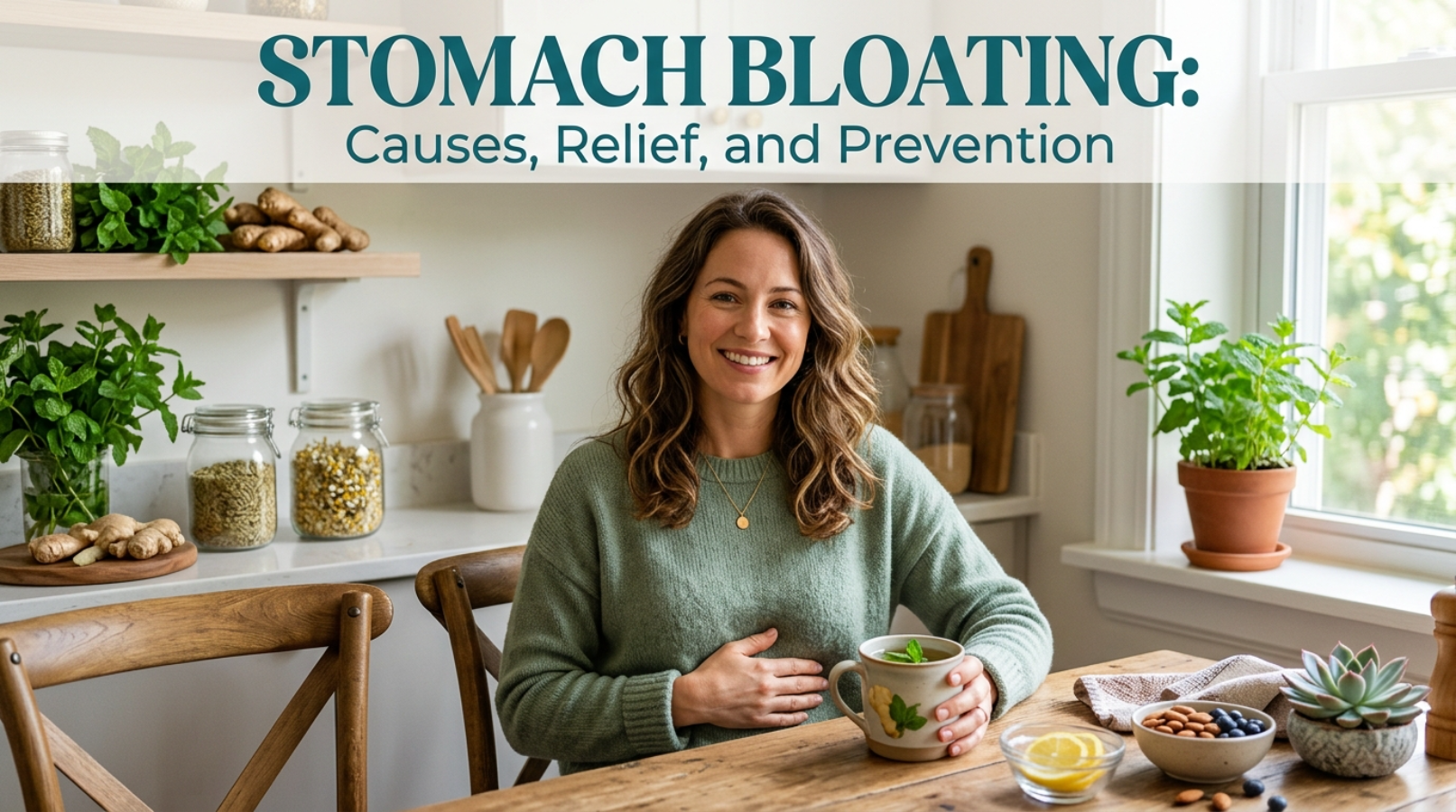
Stomach bloating can leave your abdomen feeling tight, heavy, or uncomfortably full, especially after a large meal or certain foods. It may happen from gas, eating too quickly, constipation, carbonated drinks, or changes in digestion. The key is to understand your personal triggers and build simple daily habits that support comfortable digestion. Use the Copy Button to quickly save helpful tips from this guide and keep them handy.
For many people, a few simple habits are worth trying first. Drinking water throughout the day, taking a gentle walk after meals, eating slowly, and choosing foods you tolerate well can support better digestive comfort. Instead of cutting out entire food groups, pay attention to patterns and make small changes that you can maintain.
If bloating happens often, a simple food and symptom journal can help you spot connections. Note what you ate, how much you ate, when the bloating started, and how long it lasted. This information can give you a clearer picture of your digestive patterns and make it easier to discuss ongoing symptoms with a healthcare professional.
Stomach Bloating: Causes, Relief, and Prevention
Stomach Bloating: What It Really Means
Stomach bloating can make your abdomen feel unusually full, tight, or swollen, often after eating. For some people, it comes and goes after certain meals, while others notice it more regularly. The good news is that small changes in eating habits, food choices, movement, and daily routines may help reduce occasional bloating.
If you find something useful in this guide, you can also use the site’s Copy Button to quickly save or share your favorite tips.
Quick Answer: What Causes Stomach Bloating?
Stomach bloating often happens when extra gas builds up in the digestive tract or when digestion slows. Eating quickly, swallowing air, drinking carbonated beverages, constipation, large meals, and certain carbohydrate-rich foods can all contribute. Hormonal changes and some digestive conditions may also cause bloating.
The best approach depends on the reason behind your symptoms. Eating more slowly, staying hydrated, moving after meals, and noticing personal food triggers are simple places to start.
Why Does Stomach Bloating Happen?
Bloating isn’t always caused by one specific food. Your entire eating pattern can affect how your digestive system feels.
For example, eating a large meal quickly can leave you feeling overly full before your body has had time to process the food. Carbonated drinks may also add gas to the digestive tract. Meanwhile, constipation can make your abdomen feel heavy and distended.
Some people are more sensitive to fermentable carbohydrates, including certain types of beans, onions, garlic, wheat products, and some fruits. These foods aren’t automatically unhealthy. Instead, they may simply be harder for some digestive systems to tolerate in larger amounts.
Common Food Triggers for Stomach Bloating
Food affects everyone differently, so keeping a simple food-and-symptom journal can be more useful than following a long list of forbidden foods.
1. Carbonated drinks
Soda, sparkling water, and other fizzy drinks can increase the amount of gas in your digestive tract. If you notice bloating after drinking them, try still water for several days and compare how you feel.
2. Large portions
Even nutritious foods can feel uncomfortable when you eat a very large amount at once. Instead, try moderate portions and give yourself time before reaching for seconds.
3. High-fiber foods
Fiber supports regular bowel movements and healthy gut microbes. However, suddenly increasing your fiber intake can cause temporary gas and bloating.
Add beans, lentils, vegetables, fruits, and whole grains gradually. Also, drink enough fluids as your fiber intake increases.
4. Sugar alcohols
Some sugar-free gums, candies, and protein products contain sweeteners such as sorbitol or erythritol. These ingredients can cause digestive discomfort in some people.
How Eating Habits Can Reduce Stomach Bloating
Sometimes the simplest change is how you eat, not what you eat.
I often find that people focus immediately on removing foods while overlooking basic meal habits. Eating slowly, chewing thoroughly, and avoiding distracted meals can make it easier to notice fullness and digestive reactions.
Try putting your fork down between bites. It sounds minor, but that pause can naturally slow the pace of a meal.
Also, avoid gulping drinks during meals if you tend to swallow a lot of air. Small adjustments like these can become part of a sustainable digestive routine.
Try These Simple Ways to Ease Bloating
You don’t need a complicated routine to support comfortable digestion. Start with one or two habits and see how your body responds.
Take a gentle walk
A short walk after eating can encourage normal digestive movement. You don’t need an intense workout. Even light activity can be a practical choice after a heavy meal.
Drink enough water
Adequate hydration supports normal digestion and regular bowel movements. Sip water throughout the day instead of relying on large amounts at night.
Eat meals at a comfortable pace
Rushed meals often mean less chewing and more swallowed air. Slow down when you can, especially during larger meals.
Address constipation
Constipation can contribute to abdominal fullness and bloating. Regular movement, adequate fluids, and gradual increases in dietary fiber may help support bowel regularity.
Stomach Bloating and Gut Health
Your digestive tract is home to trillions of microorganisms that interact with the foods you eat. Fiber-rich foods can provide fuel for beneficial gut microbes, which is one reason variety matters.
Instead of searching for one “perfect” gut food, build a diverse plate over time. Vegetables, fruits, whole grains, beans, nuts, seeds, and fermented foods can all contribute different nutrients and compounds.
However, more fiber isn’t always better right away. If your current diet contains little fiber, increasing it too quickly may leave you feeling more bloated. A gradual approach usually makes more sense.
Build a Bloat-Friendly Daily Routine
A predictable routine can make digestive symptoms easier to understand.
Start the morning with water and a balanced breakfast if you enjoy eating early. During the day, aim for regular meals rather than constantly grazing. Then, include some movement and give yourself enough time to eat without rushing.
You can also keep a simple note on your phone:
- What you ate
- Approximate portion size
- When bloating started
- How long it lasted
- Any bowel changes
- Other noticeable symptoms
After a couple of weeks, patterns may become easier to spot. For instance, you might discover that your symptoms appear after very large meals rather than after one specific ingredient.
Foods That May Support Comfortable Digestion
A varied diet can provide the fiber and nutrients your digestive system needs.
Consider adding:
- Oatmeal
- Bananas
- Berries
- Kiwi
- Cooked vegetables
- Sweet potatoes
- Brown rice
- Beans and lentils
- Nuts and seeds
- Plain yogurt with live cultures, if tolerated
- Kefir, if tolerated
- Lean proteins
- Olive oil
Preparation matters, too. If raw vegetables regularly leave you uncomfortable, cooked vegetables may feel easier to tolerate.
There’s no need to force a food simply because it’s popular in gut-health conversations. Your own response matters.
When Stomach Bloating Keeps Coming Back
Occasional bloating is common, but persistent or severe symptoms deserve more attention.
Bloating may sometimes occur alongside conditions such as irritable bowel syndrome, constipation, food intolerances, gastroesophageal reflux, or other digestive problems. In those situations, simply eliminating more foods may not solve the underlying issue.
Pay attention to changes in frequency and severity. If bloating is new, persistent, painful, or accompanied by unexplained weight loss, vomiting, blood in the stool, fever, or significant changes in bowel habits, talk with a healthcare professional.
That conversation can help identify the cause instead of leaving you stuck in a cycle of trial and error.
A Simple Example of a Bloat-Friendly Day
Here’s what a practical day might look like:
Morning: Oatmeal with berries and a glass of water.
Lunch: Grilled chicken, rice, cooked vegetables, and olive oil.
Afternoon: A piece of fruit and a small handful of nuts.
Dinner: Salmon, roasted sweet potato, and cooked greens.
After meals: A gentle 10- to 15-minute walk when convenient.
This isn’t a rigid meal plan. It’s simply an example of how balanced meals, reasonable portions, hydration, and movement can work together.
Your ideal choices may look different.
FAQ About Stomach Bloating
What is the fastest way to reduce stomach bloating?
For occasional bloating, try gentle movement, slow breathing, comfortable clothing, and avoiding additional large meals or carbonated drinks. If constipation contributes to your symptoms, improving regularity may also help.
Does drinking water help stomach bloating?
Adequate water supports normal digestion and bowel regularity. However, drinking excessive amounts at once won’t necessarily make bloating disappear. Consistent hydration throughout the day is a better habit.
Can eating too fast cause bloating?
Yes. Eating quickly can increase swallowed air and may also lead to larger portions because your fullness signals have less time to catch up.
Are probiotics helpful for bloating?
Probiotics affect people differently, and specific strains may have different effects. Some people find them helpful, while others notice temporary gas or no meaningful change. Food sources such as yogurt or kefir can be an option if you tolerate dairy.
When should I worry about stomach bloating?
Talk with a healthcare professional if bloating is persistent, severe, worsening, or accompanied by symptoms such as unexplained weight loss, vomiting, blood in the stool, fever, or major bowel changes.
The Bottom Line
Stomach bloating can have many causes, so there’s rarely one solution that works for everyone. Start with practical habits: eat slowly, choose comfortable portions, drink enough water, move regularly, increase fiber gradually, and pay attention to patterns in your symptoms.
Most importantly, don’t turn bloating into a reason to fear food. A varied, balanced eating pattern is usually more useful than an increasingly restrictive diet.
If this article gives you a few habits worth trying, use the Copy Button to save your favorite tips and build them into your daily routine. Over time, those small choices can make digestive comfort easier to maintain.

Elizabeth Boham is a respected functional medicine physician and wellness educator with a passion for helping people improve their health through nutrition and lifestyle changes. As a contributor to Gutrova, she shares practical insights on gut health, digestive wellness, and healthy living, making complex health topics easy to understand and apply in everyday life.