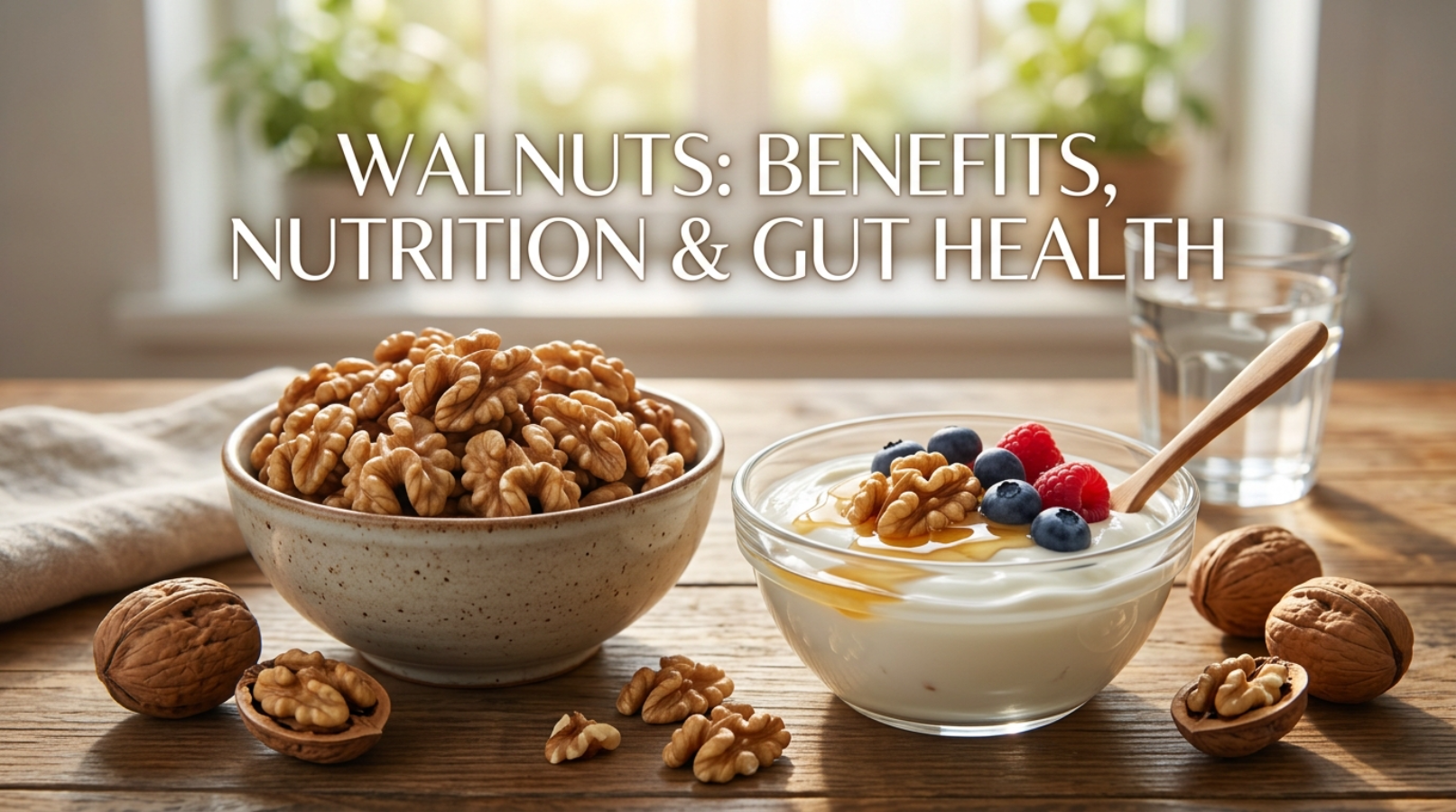
Walnuts are one of those simple foods that can quietly improve the quality of an everyday meal, thanks to their healthy fats, fiber, plant protein, and useful minerals. If you want a satisfying food that adds both nutrition and texture without much effort, walnuts deserve a regular spot in your kitchen. You can also use the Copy Button to quickly save or share the walnut tips you want to try.
Quick Answer: Are Walnuts Good for You?
Yes. Walnuts are nutrient-dense tree nuts that provide unsaturated fats, plant-based protein, fiber, magnesium, copper, manganese, and other nutrients. They can fit into a heart-conscious, gut-friendly eating pattern and make meals more filling.
Research also suggests that nuts can play a useful role in overall dietary quality. However, walnuts aren’t a magic food. Their benefits make the most sense when they’re part of a varied diet built around whole and minimally processed foods.
For most people, a small handful is enough to add flavor and nutrition. If you’re new to eating nuts, start with a modest portion and see how your digestion responds.
Walnuts Nutrition: What’s Inside the Shell?
Walnuts pack a surprising amount of nutrition into a relatively small serving.
They contain mostly unsaturated fat, including plant-based omega-3 alpha-linolenic acid (ALA). They’re also a source of fiber and protein, although the exact amounts vary with serving size and preparation.
Several minerals stand out, too. Walnuts provide copper, manganese, magnesium, phosphorus, and small amounts of other micronutrients.
That combination makes them more than a crunchy topping. For example, adding walnuts to oatmeal gives you healthy fats and extra texture alongside the carbohydrates and fiber from the oats.
Why Walnut Portions Matter
Nuts are nutritious, but they’re also energy-dense. A large handful can become several servings before you realize it.
I find that portioning nuts into a small bowl works better than eating directly from the bag. It keeps the experience relaxed while making it easier to stay aware of how much you’re eating.
Walnuts and Gut Health
Your gut doesn’t need one special food to function well. Instead, it benefits from a broad mix of plant foods that supply different fibers and plant compounds.
Walnuts can contribute to that pattern. They contain fiber and other naturally occurring plant compounds that may interact with the gut microbiome.
Some research has explored how walnut consumption may influence the gut microbiota. However, the findings don’t mean that walnuts can “fix” an unhealthy gut or replace other important sources of dietary fiber.
Think of them as one piece of the puzzle.
Pair walnuts with fruits, vegetables, beans, whole grains, and seeds. As a result, your meals become more diverse and provide your digestive system with a wider range of nutrients and plant compounds.
Walnuts and Heart Health
Heart health is one of the areas where walnuts have received considerable nutritional attention.
Their fat profile is a major reason. Walnuts are rich in unsaturated fats and contain ALA, a plant-based omega-3 fatty acid.
Replacing foods high in saturated fat with foods containing more unsaturated fat can support a heart-friendly eating pattern. However, simply adding walnuts on top of an otherwise unchanged diet isn’t the same thing as making a helpful substitution.
For example, try walnuts instead of a highly processed snack. You could also use chopped walnuts in place of bacon bits on a salad for a different kind of crunch.
The small changes add up because they affect what you eat instead of simply adding another item to your plate.
Can Walnuts Help You Feel Full?
A snack that disappears quickly isn’t always satisfying. Walnuts can help create a more substantial snack because they provide fat, fiber, and some protein.
Try pairing a small serving with an apple or pear. Similarly, walnuts and plain Greek yogurt make a convenient combination when you want something creamy and crunchy.
They also work well in breakfast meals. Add chopped walnuts to oatmeal with berries, or sprinkle them over whole-grain toast with a thin layer of nut butter.
Because walnuts are dense, you don’t need a huge amount. A little crunch can make a simple meal feel much more complete.
Walnuts for Everyday Digestion
Fiber is important for normal bowel function, and walnuts can contribute some fiber to your daily intake.
However, don’t suddenly eat a large amount of walnuts because you want more fiber. A rapid increase in fiber can cause gas, bloating, or changes in bowel habits, particularly if your usual diet contains very little fiber.
Instead, increase high-fiber foods gradually. Drink enough fluids, too, and include several types of plant foods rather than relying on one ingredient.
If your stomach tends to be sensitive, chopped walnuts may be easier to incorporate than a large handful eaten all at once.
Walnuts vs. Other Nuts: What Makes Them Different?
There’s no single “best” nut for everyone. Almonds, pistachios, pecans, peanuts, cashews, and walnuts all have different nutritional profiles.
Walnuts stand out because they provide plant-based ALA. That makes them particularly interesting for people who want to include more plant sources of omega-3 fat.
Their slightly bitter flavor also makes them useful in savory dishes. Pecans tend to taste sweeter, while almonds have a firmer bite. So the best choice may simply come down to what you’ll actually enjoy eating.
Variety is useful here. Rotating different nuts and seeds keeps meals interesting and broadens the range of nutrients you get.
How to Eat Walnuts Without Getting Bored
Walnuts don’t have to mean another handful of nuts at snack time.
Here are some easy ways to use them:
- Add chopped walnuts to oatmeal.
- Stir them into overnight oats.
- Sprinkle them over plain yogurt and berries.
- Toss them into a leafy green salad.
- Add them to roasted vegetables.
- Mix them into a grain bowl.
- Crush them over a vegetable soup.
- Add them to homemade granola.
- Fold them into whole-grain muffins.
- Pair them with fresh fruit.
- Add chopped walnuts to cooked quinoa.
- Use them as a topping for baked apples.
- Mix them into homemade energy bites.
- Add them to a chicken or chickpea salad.
- Sprinkle them over whole-grain toast.
One of my favorite approaches is to keep chopped walnuts ready in an airtight container. That removes a tiny bit of friction when I’m putting breakfast or lunch together.
And that’s often what makes a healthy habit stick: convenience.
Raw, Roasted, or Flavored Walnuts?
Raw and roasted walnuts can both fit into a nutritious diet.
Roasting changes the flavor and makes the nuts especially fragrant. However, flavored varieties can come with added sugar, salt, oils, or other ingredients.
If you’re buying packaged walnuts, check the ingredient list. Plain walnuts are versatile because you can season them yourself.
For a savory snack, try a little cinnamon and chili powder. If you’re making breakfast, cinnamon and vanilla can work nicely with fruit and oats.
Watch the cooking temperature and time when roasting because nuts can burn quickly. Once they go from toasted to scorched, their flavor changes fast.
Do Walnuts Cause Bloating?
They can for some people, particularly when eaten in large quantities.
Walnuts contain fiber and fat, and both can affect how quickly a meal moves through digestion. Someone who isn’t accustomed to eating many nuts may notice gas, fullness, or bloating after a large serving.
That doesn’t automatically mean walnuts are a poor choice. Instead, try a smaller amount and eat them with a meal.
Food tolerance is personal. If you repeatedly notice significant digestive symptoms after eating walnuts, consider discussing the pattern with a qualified healthcare professional rather than simply assuming that more is better.
Choosing and Storing Walnuts
Freshness matters with walnuts because their natural oils can eventually become rancid.
When buying packaged walnuts, look for a fresh product with an ingredient list that matches what you want. Unsalted walnuts give you more control over sodium, while shelled walnuts offer convenience.
Once opened, store them in an airtight container. A cool, dark place can work for short-term storage, while refrigeration or freezing can help preserve freshness for longer periods.
Trust your senses, too. Fresh walnuts should have a pleasant nutty aroma. If they smell strongly bitter, paint-like, or stale, it’s better not to eat them.
Buying smaller quantities can make sense if you don’t use nuts often.
A Simple Gut-Friendly Walnut Meal Plan
Want to put all of this into practice? Start with one day rather than trying to redesign your entire diet.
Breakfast: Oatmeal with berries, cinnamon, and chopped walnuts.
Lunch: A large salad with leafy greens, chickpeas, colorful vegetables, whole grains, and walnuts.
Snack: An apple with a small serving of walnuts.
Dinner: Roasted vegetables with quinoa, beans or another protein source, and a walnut-based topping.
This approach gives you more than walnuts. You’re also getting different types of fiber and plant foods throughout the day.
Meanwhile, you can adjust the portions and ingredients to suit your appetite and eating preferences. The goal is a pattern you can repeat comfortably, not a perfect menu.
Frequently Asked Questions About Walnuts
How many walnuts should you eat a day?
A small handful is a practical serving for many adults. You don’t need a large quantity to enjoy their nutritional benefits. Since walnuts are energy-dense, portion size matters.
Are walnuts good for your gut?
They can be part of a gut-friendly diet because they provide fiber and plant compounds. Research has also examined their relationship with the gut microbiome. Still, walnuts work best alongside a wide variety of plant foods.
Are walnuts good for digestion?
Walnuts provide dietary fiber, which contributes to normal bowel function. However, eating too many at once may cause gas or bloating in some people, particularly if they’re not used to higher-fiber foods.
Should you eat walnuts every day?
For many people, a modest serving of plain walnuts can fit comfortably into a daily diet. You can also rotate them with other nuts and seeds to keep your food choices varied.
Are raw or roasted walnuts healthier?
Both can be nutritious. Raw walnuts have a simple, mild flavor, while roasted walnuts offer more crunch and a deeper taste. Choose the preparation you enjoy and check flavored varieties for added sugar or sodium.
Final Thoughts on Walnuts
Walnuts are a practical superfood because they don’t require much preparation to become part of a nutritious meal. Their combination of unsaturated fats, ALA, fiber, protein, and minerals makes them a useful addition to everything from breakfast bowls to salads.
For gut health, keep the bigger picture in mind. Walnuts can support a varied, fiber-rich eating pattern, but your digestive health depends on the quality and diversity of your overall diet.
Start with a small serving, experiment with different meals, and pay attention to how your body responds. Then use the Copy Button to save your favorite walnut ideas so they’re easy to find when you’re planning your next meal

Here’s a short Gutrova-style author biography for Josh Axe:
Josh Axe
Josh Axe is a wellness expert, author, and educator known for his work in nutrition, natural health, and gut wellness. As a contributor to Gutrova, he shares practical insights on digestive health, healthy eating habits, and lifestyle strategies that help readers build a stronger foundation for overall well being. His content focuses on making wellness simple, actionable, and accessible for everyday life.











1 thought on “Walnuts: Benefits, Nutrition & Gut Health”