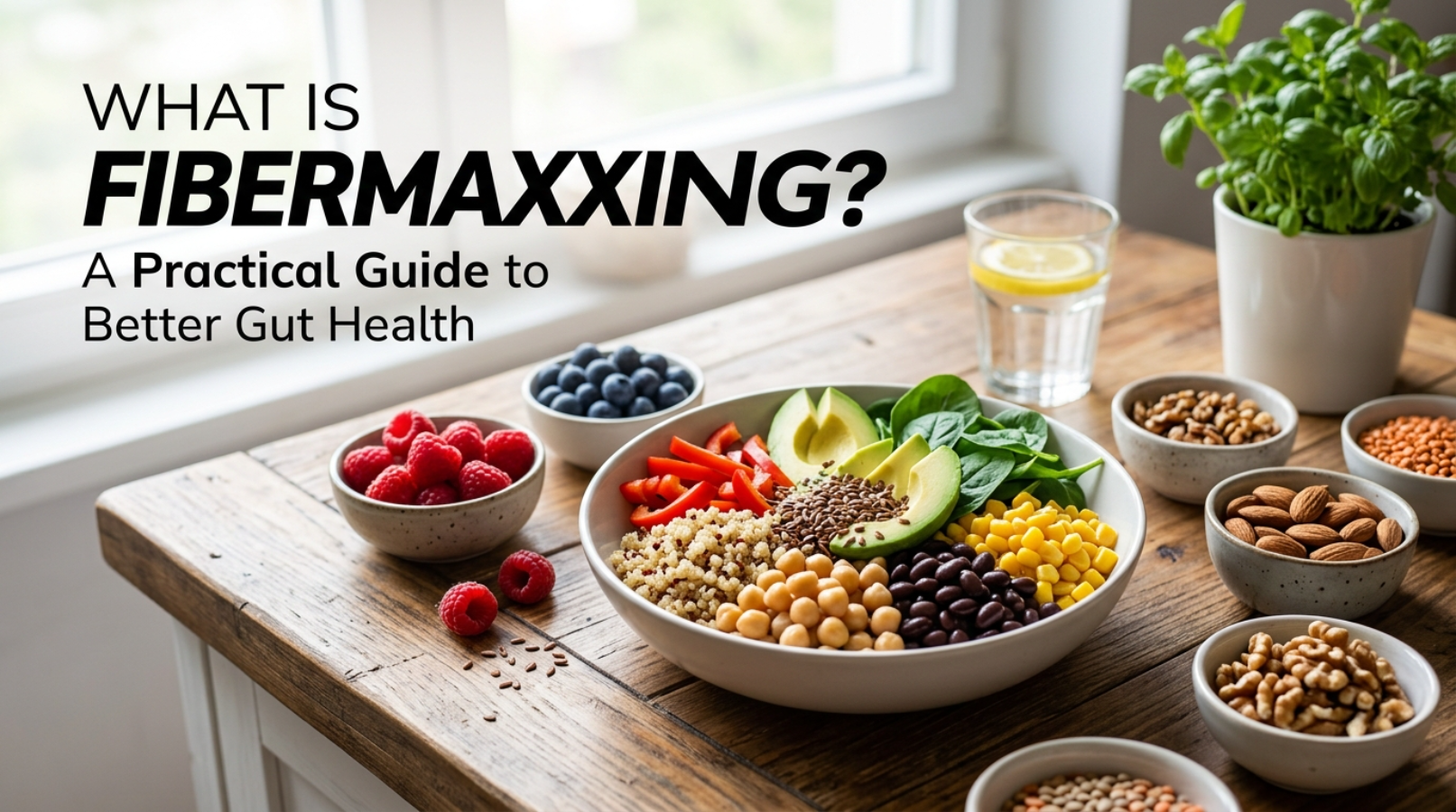
If you’ve spent any time on wellness TikTok or nutrition-focused social media lately, you’ve probably seen people talking about fibermaxxing. The idea sounds simple—eat as much fiber as possible—but there’s more to it than piling vegetables onto every plate. Done thoughtfully, increasing fiber can support digestion, help feed beneficial gut bacteria, and leave you feeling fuller throughout the day. Done too quickly, though, it can leave you wondering why your stomach suddenly feels like it’s protesting.
I remember helping a family member switch from a diet built around convenience foods to one that included beans, oats, berries, and whole grains. The excitement lasted about two days before the bloating kicked in. We slowed down, added more water, and gave the gut time to adjust. Within a couple of weeks, those uncomfortable symptoms faded, and the healthier eating habits became much easier to maintain. That’s the part many viral posts leave out.
Quick Answer: What Is Fibermaxxing?
Fibermaxxing is the practice of intentionally increasing your daily fiber intake by eating more fiber-rich whole foods—and sometimes fiber supplements—to improve digestive health, support the gut microbiome, and promote overall wellness.
Unlike crash diets or restrictive eating trends, fibermaxxing focuses on adding nutritious foods instead of eliminating them. The healthiest approach is gradual, balanced, and personalized rather than trying to reach extremely high fiber intakes overnight.
Why Has Fibermaxxing Become So Popular?
The growing interest in gut health has pushed fiber into the spotlight. Researchers continue to find connections between a healthy gut microbiome and many aspects of wellness, including digestion, immune function, metabolism, and even mood.
Social media has amplified these conversations, but it has also simplified them. Many creators share colorful “high-fiber” meal ideas without explaining how fiber actually works or why increasing it too quickly can cause discomfort.
The trend has gained traction because it offers something many people are looking for:
- Better digestive regularity
- Longer-lasting fullness after meals
- More stable eating habits
- Support for beneficial gut bacteria
- A practical way to improve diet quality
Unlike many nutrition fads, fiber itself isn’t new. Major health organizations such as the National Institutes of Health (NIH), Mayo Clinic, and Cleveland Clinic have long emphasized the importance of getting enough dietary fiber through whole foods.
Understanding Dietary Fiber
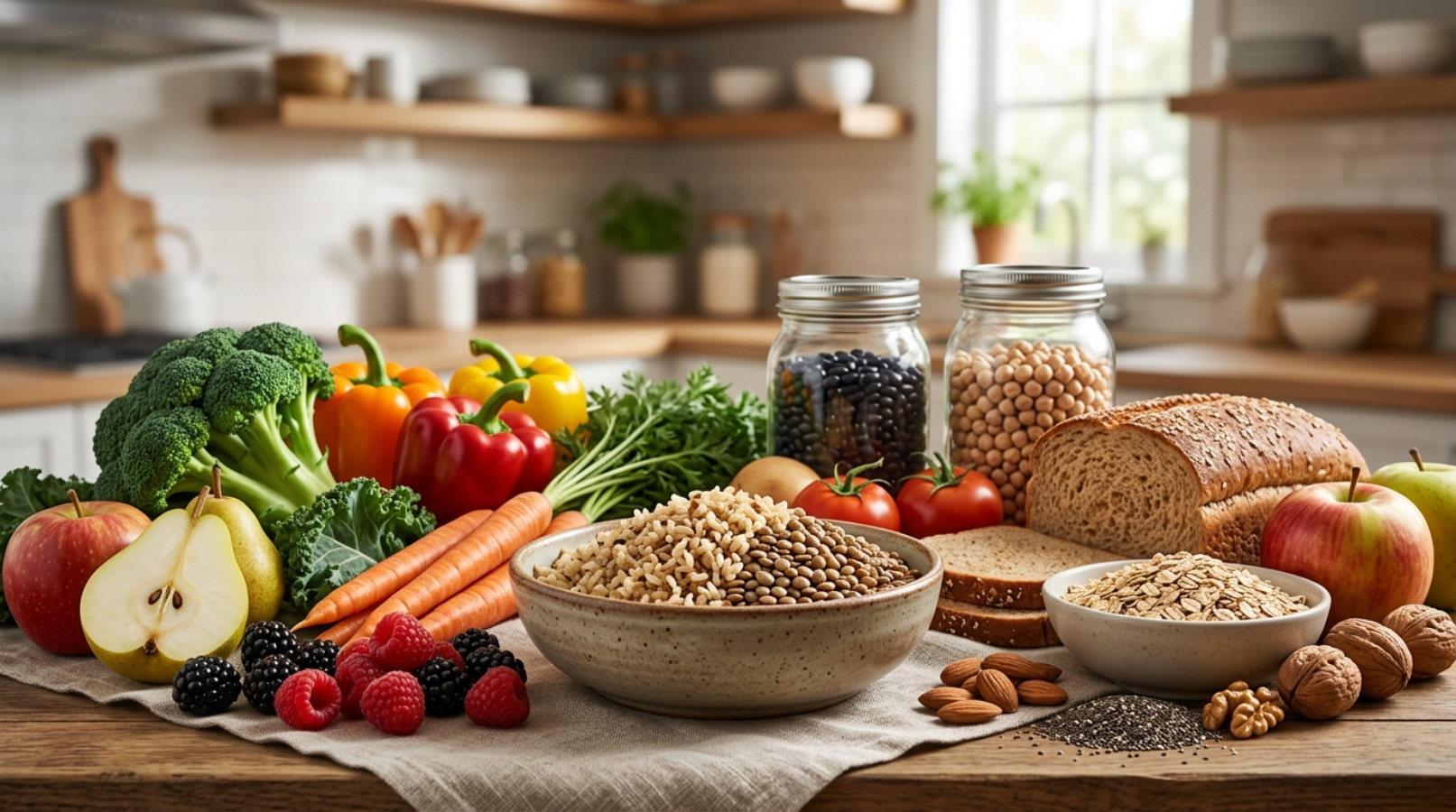
Before jumping into fibermaxxing, it helps to understand what fiber actually is.
Dietary fiber is a type of carbohydrate found in plant foods that your body cannot fully digest. Instead of being broken down like sugar or starch, much of it travels through your digestive system where it performs several important jobs.
Some fibers help soften stool and support regular bowel movements. Others become food for the trillions of bacteria living in your intestines.
Those beneficial microbes ferment certain fibers and produce compounds called short-chain fatty acids, which research suggests play an important role in maintaining the health of the intestinal lining and supporting overall gut function.
That’s one reason nutrition experts encourage eating a variety of plant foods rather than relying on a single “superfood.”
The Two Main Types of Fiber
Not all fiber behaves the same way.
Soluble Fiber
Soluble fiber absorbs water and forms a gel-like substance during digestion.
It may help:
- Support healthy cholesterol levels
- Slow digestion
- Improve feelings of fullness
- Feed beneficial gut bacteria
- Support healthy blood sugar management
Common food sources include:
- Oats
- Apples
- Citrus fruits
- Barley
- Chia seeds
- Flaxseed
- Beans
- Lentils
Insoluble Fiber
Insoluble fiber adds bulk to stool and helps food move through the digestive tract.
It may help support:
- Regular bowel movements
- Healthy digestion
- Overall intestinal function
Good sources include:
- Whole wheat
- Brown rice
- Nuts
- Seeds
- Leafy greens
- Broccoli
- Cauliflower
- Green beans
Most healthy foods naturally contain a combination of both types, which is why eating a wide variety of fruits, vegetables, legumes, nuts, seeds, and whole grains tends to work better than focusing on only one source.
Why Fiber Matters for Your Gut Microbiome
Your digestive system is home to trillions of bacteria that make up your gut microbiome. These microbes aren’t just passive passengers—they actively help digest food, produce useful compounds, and interact with your immune system.
Many beneficial bacteria thrive on fermentable fibers.
When you consistently eat fiber-rich foods, you’re essentially providing fuel for these microbes. Research suggests that a diverse diet containing many different plant foods may help support a more diverse microbiome, which is generally considered a positive marker of gut health.
This is where fibermaxxing can become valuable—provided the focus stays on variety instead of simply chasing the biggest fiber number possible.
Think of your microbiome like a garden.
If you water only one type of plant, the garden becomes less diverse. Feed it many different nutrients, and a wider variety of healthy plants can grow. The same idea applies to the bacteria living in your gut.
Potential Benefits of Fibermaxxing
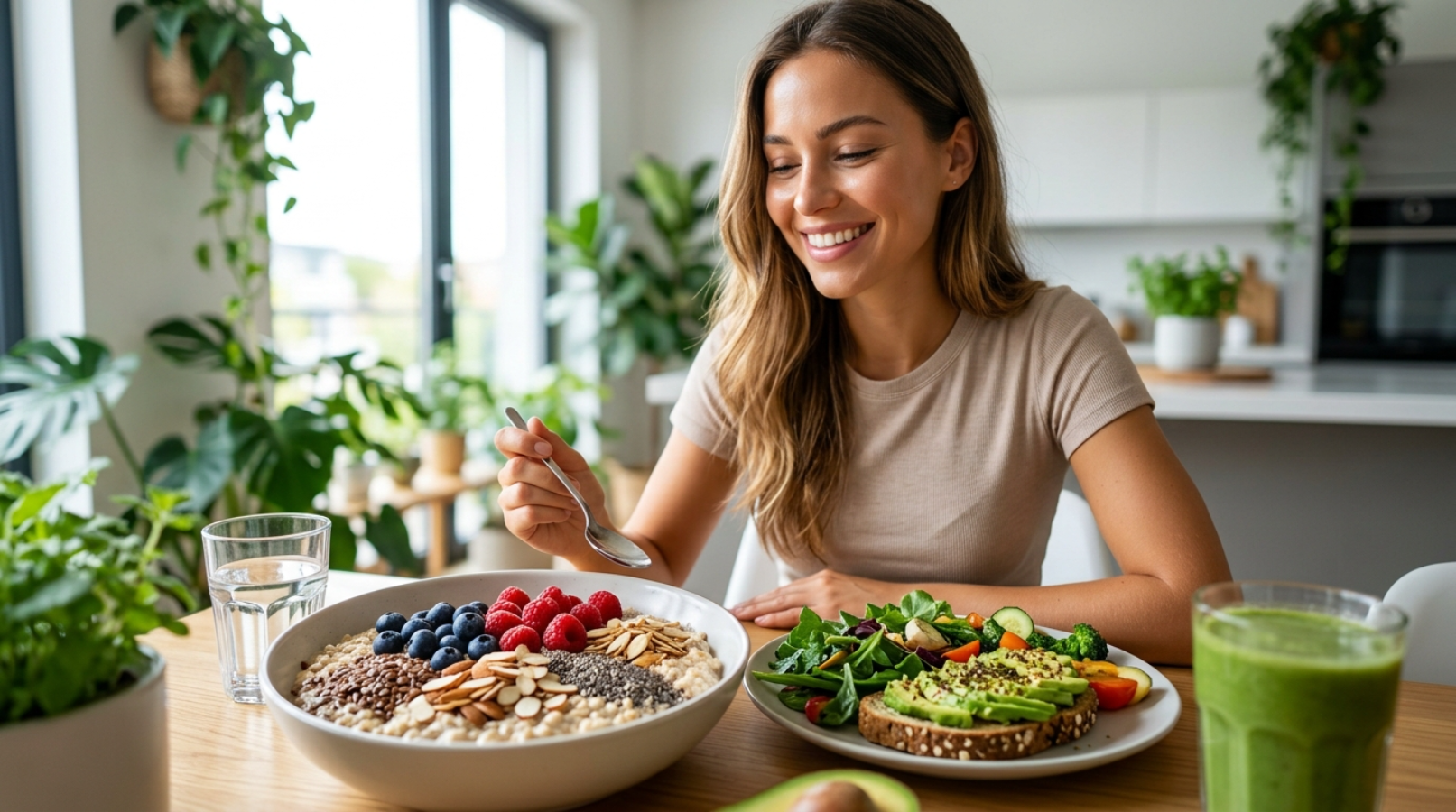
When approached gradually and realistically, increasing dietary fiber can provide several meaningful health benefits.
Better Digestive Regularity
One of the first improvements many people notice is more consistent bowel movements.
Fiber helps add bulk to stool while supporting normal movement through the digestive tract. Combined with adequate hydration, this often makes digestion feel more predictable.
Greater Satiety
Fiber slows digestion and helps meals feel more satisfying.
If you’ve ever eaten a breakfast of sugary cereal only to feel hungry again an hour later, switching to oatmeal topped with berries, walnuts, and chia seeds often creates a very different experience.
Many people naturally snack less simply because they’re staying full longer.
Better Diet Quality
One overlooked advantage of fibermaxxing is that it encourages healthier food choices overall.
Instead of asking:
“What should I remove?”
People begin asking:
“How can I add another serving of vegetables?”
or
“Can I swap refined bread for whole grain?”
That subtle mindset shift often leads to healthier eating patterns without feeling restrictive.
Supporting a Healthier Gut Ecosystem
Research continues to explore how fiber influences the gut microbiome.
Studies have found that diets rich in plant foods are associated with greater microbial diversity and increased production of beneficial compounds created during fiber fermentation.
While fiber isn’t a cure-all, consistently eating enough of it appears to be one of the simplest ways to support long-term digestive health.
Common Mistakes People Make With Fibermaxxing
Fibermaxxing sounds straightforward, but it’s surprisingly easy to overdo it. Many people go from eating very little fiber to loading every meal with beans, bran cereal, chia seeds, and raw vegetables. Their gut simply isn’t ready for that jump.
Here are the mistakes I see most often.
Increasing Fiber Too Fast
This is easily the biggest problem.
Your digestive system needs time to adapt. Beneficial gut bacteria adjust gradually as fiber intake increases. When you make a huge leap overnight, gas, bloating, abdominal discomfort, and changes in bowel habits are common.
A better approach is adding one new high-fiber food every few days instead of changing your entire diet at once.
Forgetting to Drink Enough Water
Fiber works best when it’s paired with adequate fluids.
Without enough water, certain fibers can make stools harder and digestion feel sluggish instead of smoother.
A simple habit that helps is keeping a reusable water bottle nearby throughout the day, especially when you’re intentionally eating more fiber-rich foods.
Relying on Supplements Instead of Food
Fiber powders and supplements can be helpful in certain situations, but they shouldn’t replace whole foods.
Whole plant foods provide much more than fiber alone. They also contain vitamins, minerals, antioxidants, and plant compounds that work together to support overall health.
Whenever possible, let your meals do most of the work.
Eating the Same High-Fiber Foods Every Day
Fiber diversity matters just as much as fiber quantity.
Instead of eating oatmeal three times a day, rotate your choices throughout the week.
For example:
- Oats on Monday
- Lentils on Tuesday
- Black beans on Wednesday
- Quinoa on Thursday
- Chickpeas on Friday
The same goes for fruits, vegetables, nuts, and seeds. A colorful plate usually feeds a more diverse gut microbiome than repeating the same ingredients every day.
How Much Fiber Do Adults Actually Need?
Most Americans fall well below recommended daily fiber intake.
General recommendations suggest:
| Group | Daily Fiber Goal |
|---|---|
| Adult women | About 25 grams |
| Adult men | About 38 grams |
Individual needs vary depending on age, activity level, medical conditions, and overall diet.
Rather than obsessing over hitting an exact number every day, aim for steady improvement if your current intake is low.
Adding five extra grams per day consistently is often more realistic—and more sustainable—than trying to double your intake overnight.
The Best Foods for Fibermaxxing
One of the nicest things about fibermaxxing is that it doesn’t require expensive “superfoods.” Many affordable pantry staples are naturally rich in fiber.
Whole Grains
Whole grains provide fiber while also supplying important nutrients.
Great options include:
- Oats
- Barley
- Brown rice
- Whole wheat bread
- Whole grain pasta
- Quinoa
- Farro
Beans and Legumes
Legumes are among the highest-fiber foods available.
Try adding:
- Black beans
- Pinto beans
- Chickpeas
- Kidney beans
- Lentils
- Split peas
Even adding half a cup to soups or salads can noticeably increase your daily fiber intake.
Fruits
Fresh fruit is one of the easiest ways to add fiber without much planning.
Excellent choices include:
- Apples
- Pears
- Raspberries
- Blackberries
- Blueberries
- Oranges
- Kiwi
Whenever practical, eat the edible skins since that’s where much of the fiber is found.
Vegetables
Aim for variety instead of perfection.
Some fiber-rich vegetables include:
- Broccoli
- Brussels sprouts
- Carrots
- Sweet potatoes
- Spinach
- Kale
- Artichokes
- Green peas
Nuts and Seeds
Small servings can make a big difference.
Popular choices include:
- Chia seeds
- Flaxseed
- Almonds
- Pistachios
- Pumpkin seeds
- Walnuts
They’re easy to sprinkle onto yogurt, oatmeal, smoothies, or salads.
A Simple Beginner-Friendly Fibermaxxing Plan
If you’re starting from a low-fiber diet, there’s no need for a dramatic overhaul.
Here’s a practical example.
Breakfast
Instead of:
- Sugary cereal
Try:
- Oatmeal with blueberries, walnuts, and ground flaxseed
Lunch
Instead of:
- White bread sandwich and chips
Try:
- Whole grain sandwich with vegetables
- Apple on the side
Snack
Instead of:
- Cookies
Try:
- Greek yogurt with berries
- Handful of almonds
Dinner
Instead of:
- White rice with little vegetables
Try:
- Brown rice
- Grilled chicken or tofu
- Roasted broccoli
- Black beans
Small upgrades like these add up surprisingly fast without making meals feel restrictive.
Can You Eat Too Much Fiber?
Yes.
Although fiber is beneficial, more isn’t always better.
Very high fiber intake—especially when introduced suddenly—may lead to:
- Gas
- Bloating
- Stomach discomfort
- Constipation if fluid intake is low
- Loose stools in some people
In rare situations, extremely high fiber intake may also interfere with absorption of certain nutrients or medications.
Moderation is usually the smartest strategy.
Listen to your body instead of trying to win a “highest fiber” competition online.
Who Should Be Careful With Fibermaxxing?
Fiber is healthy for most people, but certain medical conditions require a more individualized approach.
Talk with your healthcare provider before making major dietary changes if you have:
- Irritable bowel syndrome (IBS)
- Inflammatory bowel disease (IBD)
- Crohn’s disease
- Ulcerative colitis
- Recent bowel surgery
- Digestive narrowing or obstruction
- Certain gastrointestinal disorders requiring low-fiber diets
Some people benefit from increasing fiber, while others temporarily need less during disease flare-ups.
That’s why personalized guidance matters.
Fibermaxxing Isn’t About Perfection
The healthiest version of fibermaxxing isn’t about chasing numbers.
It’s about consistently choosing more whole plant foods, eating greater variety, drinking enough water, and allowing your digestive system time to adapt.
Your gut doesn’t need perfection.
It needs consistency.
Frequently Asked Questions
Is fibermaxxing actually healthy?
For most healthy adults, yes. Fibermaxxing can be a healthy approach when it focuses on gradually increasing fiber from whole foods rather than chasing extremely high numbers. Research suggests that diets rich in fiber support digestive health, nourish beneficial gut bacteria, and contribute to overall wellness. The key is balance—not excess.
How long does it take to notice the benefits?
Many people notice changes in bowel regularity within several days to a couple of weeks after increasing fiber and staying well hydrated. Improvements to the gut microbiome develop over time through consistent eating habits rather than overnight changes.
Can fibermaxxing help with weight management?
Fiber isn’t a weight-loss shortcut, but it may support healthy weight management. High-fiber meals tend to be more filling, which can help reduce unnecessary snacking and make it easier to maintain balanced eating habits. Long-term success still depends on your overall diet, activity level, sleep, and lifestyle.
Is it better to get fiber from food or supplements?
Whole foods should be your first choice whenever possible.
Foods like beans, vegetables, fruits, whole grains, nuts, and seeds provide fiber alongside vitamins, minerals, antioxidants, and other beneficial plant compounds. Fiber supplements may be appropriate for some people, but they work best as a complement—not a replacement—for a balanced diet.
Can fibermaxxing make bloating worse?
It can if you increase your fiber intake too quickly.
If you’ve ever added a large serving of beans or bran cereal after eating very little fiber for months, you’ve probably experienced this firsthand. Gradually increasing fiber, drinking enough water, and eating a variety of fiber sources usually helps your digestive system adjust more comfortably.
Final Thoughts
Fibermaxxing has become one of the more practical wellness trends because it encourages people to eat more nutrient-rich plant foods instead of following restrictive rules. That’s a refreshing change.
The real goal isn’t to squeeze every possible gram of fiber into your day. It’s to create eating habits that support your digestive system for years to come. A bowl of oatmeal in the morning, beans added to dinner, fresh berries for a snack, and extra vegetables on your plate may not seem dramatic, but those small choices often have the biggest long-term impact.
If you’re just getting started, keep it simple. Add one or two fiber-rich foods this week, drink plenty of water, and pay attention to how your body responds. Your gut microbiome thrives on consistency far more than extremes. inflammatory bowel disease, or another medical condition, consult your physician or a registered dietitian before making significant dietary changes or starting a fiber supplement.

Elizabeth Boham is a respected functional medicine physician and wellness educator with a passion for helping people improve their health through nutrition and lifestyle changes. As a contributor to Gutrova, she shares practical insights on gut health, digestive wellness, and healthy living, making complex health topics easy to understand and apply in everyday life.