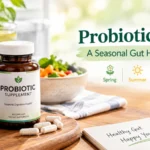
Which probiotic is best for bloating and gas is one of the most common questions people ask when digestive discomfort becomes part of everyday life. If you’ve ever finished a meal feeling uncomfortably full, noticed excessive gas after eating, or struggled with a swollen stomach by the end of the day, you’re not alone. While probiotics aren’t a guaranteed fix, research suggests that certain strains may help support digestive balance and reduce bloating in some people.
I remember assuming every probiotic on the store shelf worked the same way. After comparing labels and reading more about gut health, I realized that’s far from true. Different probiotic strains have different effects, and choosing the right one is often more important than choosing the one with the highest number of live cultures.
Quick Answe
If you’re wondering which probiotic is best for bloating and gas, research suggests that certain strains—including Bifidobacterium lactis, Bifidobacterium infantis, Lactobacillus plantarum, Lactobacillus rhamnosus, and Lactobacillus acidophilus—may help support digestive comfort in some people. The best probiotic depends on your symptoms, overall health, and the specific strain used rather than the total CFU count alone.
Why Do Bloating and Gas Happen?
Occasional bloating and gas are normal parts of digestion.
As beneficial bacteria break down certain carbohydrates and fibers in your large intestine, they naturally produce gas. Most of the time, this process goes unnoticed.
Problems can develop when digestion slows, the balance of gut bacteria changes, or certain foods are harder for your body to digest.
Common contributors include:
- Eating too quickly
- Swallowing excess air
- Large meals
- Carbonated drinks
- High-fat meals
- Food intolerances
- Constipation
- Changes in the gut microbiome
Understanding the cause of your symptoms is just as important as choosing the right supplement.
What Are Probiotics?
Probiotics are live microorganisms that may provide health benefits when consumed in adequate amounts.
These beneficial bacteria naturally live in your digestive tract and are also found in fermented foods and dietary supplements.
Their primary role is to help maintain a balanced gut microbiome, which supports healthy digestion and many other normal body functions.
Not every probiotic works the same way, though. Different strains have different characteristics, which is why reading beyond the front label matters.
Does Research Support Probiotics for Bloating?
Research suggests that some probiotic strains may help reduce bloating and improve digestive comfort for certain individuals, particularly those with functional digestive symptoms or irritable bowel syndrome (IBS).
However, the results aren’t universal.
Several factors influence how well a probiotic works, including:
- The specific bacterial strain
- The amount consumed
- The length of use
- Individual gut microbiome differences
- Overall diet and lifestyle
This explains why one product may help a friend but have little effect for someone else.
Probiotic Strains Studied for Bloating and Gas
Rather than focusing on brand names, it’s more helpful to understand the strains that have been researched.
Bifidobacterium lactis
Bifidobacterium lactis is one of the most commonly studied probiotic strains for digestive wellness.
Research suggests it may help:
- Support regular bowel movements
- Promote digestive balance
- Reduce occasional bloating in some individuals
It’s frequently included in multi-strain probiotic supplements.
Bifidobacterium infantis
This strain has received attention in studies involving people with IBS.
Research suggests Bifidobacterium infantis may help support:
- Digestive comfort
- Occasional bloating
- Gas management
- Overall gut balance
While results vary, it’s one of the better-known strains in digestive health research.
Lactobacillus plantarum
Lactobacillus plantarum has been widely studied for its role in maintaining gut health.
Research suggests it may help:
- Support a healthy intestinal barrier
- Reduce feelings of abdominal bloating
- Encourage a balanced gut microbiome
Many digestive health supplements include this strain because of its broad area of research.
Lactobacillus rhamnosus
Lactobacillus rhamnosus is another well-known probiotic strain.
Studies suggest it may support:
- Normal digestive function
- Gut microbial balance
- Overall gastrointestinal wellness
Although it’s often associated with digestive support, its benefits extend beyond bloating alone.
Lactobacillus acidophilus
One of the oldest and most familiar probiotic strains, Lactobacillus acidophilus is commonly found in yogurt and probiotic supplements.
Research suggests it may contribute to:
- Healthy digestion
- Balanced intestinal bacteria
- Improved digestive comfort for some people
Its long history of use makes it a popular ingredient in many formulations.
Multi-Strain vs. Single-Strain Probiotics
People often assume that more strains automatically mean better results.
That’s not always true.
A single-strain probiotic with strong clinical research may be more appropriate than a product containing dozens of strains with little supporting evidence.
Multi-strain products can still be beneficial, especially when the included strains have been studied together.
Instead of counting strains, focus on whether the formulation is supported by quality research and clearly identifies each bacterial strain.
Does CFU Count Matter?
CFU stands for colony-forming units, which measures the number of live microorganisms in a probiotic.
Many products advertise extremely high CFU numbers, but bigger isn’t always better.
Research suggests that the specific strain often matters more than the highest CFU count.
A well-studied probiotic with a moderate CFU level may provide more meaningful support than a high-dose product with poorly researched strains.
How to Choose the Right Probiotic for Bloating and Gas
Walking down the supplement aisle can feel overwhelming. Every bottle promises better digestion, but the label often tells a different story.
Instead of choosing the product with the biggest number on the front, pay attention to what’s inside.
Look for a probiotic that:
- Lists the full strain names, not just the species.
- Clearly states the CFU count through the expiration date.
- Comes from a reputable manufacturer with transparent labeling.
- Has storage instructions that match the product requirements.
- Includes strains that have actually been studied for digestive health.
A little research before buying can save both money and disappointment.
Should You Eat Probiotic Foods Too?
Absolutely.
Supplements can be helpful for some people, but they shouldn’t replace a healthy diet.
Fermented foods naturally contain beneficial microorganisms along with vitamins, minerals, and other nutrients that supplements don’t provide.
Good options include:
- Plain yogurt with live cultures
- Kefir
- Sauerkraut
- Kimchi
- Miso
- Tempeh
- Fermented pickles (naturally fermented, not vinegar-based)
If you’re new to fermented foods, start with small portions and gradually increase your intake.
Don’t Forget Prebiotic Fiber
One mistake I made years ago was focusing only on probiotics while ignoring the food those bacteria actually need.
Beneficial bacteria thrive on dietary fiber.
Without enough fiber, even the best probiotic may struggle to make a lasting difference.
Foods rich in prebiotic fiber include:
- Garlic
- Onions
- Leeks
- Asparagus
- Bananas
- Oats
- Apples
- Beans
- Lentils
- Chicory root
Combining probiotic foods with plenty of fiber creates a better environment for a healthy gut microbiome.
Lifestyle Habits That Can Reduce Bloating
Supplements are only one piece of the puzzle.
Small daily habits often have a bigger impact than people expect.
Try to:
- Eat meals slowly.
- Chew food thoroughly.
- Drink enough water throughout the day.
- Exercise regularly.
- Manage stress.
- Limit highly processed foods.
- Reduce carbonated beverages if they worsen symptoms.
- Keep a food diary to identify personal triggers.
Many people discover that a few simple lifestyle changes reduce bloating more than adding another supplement.
Common Mistakes When Taking Probiotics
Expecting Overnight Results
Probiotics usually need time to influence the gut microbiome.
Research suggests it may take several weeks of consistent use before noticeable changes occur.
Choosing the Highest CFU Count
A larger number isn’t automatically better.
The specific probiotic strain and the quality of the research supporting it are often more important than the total CFUs.
Switching Products Too Quickly
Many people try one probiotic for only a few days before moving to another.
Unless you experience unwanted side effects, it’s generally reasonable to give a product several weeks before deciding whether it’s helping.
Ignoring Your Diet
Even the best probiotic can’t fully compensate for a diet that’s consistently low in fiber and high in heavily processed foods.
Healthy bacteria need the right fuel to thrive.
Who May Benefit From a Probiotic?
Research suggests probiotics may be worth discussing with your healthcare provider if you:
- Experience occasional bloating and gas.
- Have symptoms consistent with IBS.
- Recently completed a course of antibiotics.
- Want to support overall digestive health.
- Eat very few fermented or fiber-rich foods.
Keep in mind that probiotics aren’t essential for everyone, and not every person responds the same way.
Are Probiotics Safe?
For many healthy adults, probiotics are generally considered safe when used as directed.
Some people notice mild gas or bloating during the first few days as their digestive system adjusts. These symptoms are often temporary.
However, speak with your healthcare provider before taking probiotics if you:
- Have a weakened immune system.
- Are undergoing cancer treatment.
- Recently had major surgery.
- Have inflammatory bowel disease (IBD) or another serious gastrointestinal condition.
- Are pregnant or breastfeeding and have questions about supplementation.
Getting personalized medical advice is especially important if your digestive symptoms are severe, persistent, or unexplained.
Building a Long-Term Gut Health Routine
If there’s one lesson I’ve learned, it’s that healthy digestion rarely comes from a single supplement.
The strongest foundation includes:
- Eating a variety of fiber-rich plant foods.
- Including fermented foods regularly.
- Staying physically active.
- Getting enough sleep.
- Managing stress.
- Drinking adequate water.
- Using probiotics thoughtfully instead of relying on marketing claims.
These habits work together to support a healthier, more balanced gut microbiome over time.
Frequently Asked Questions
Which probiotic is best for bloating and gas?
There isn’t a single probiotic that’s best for everyone. Research suggests strains such as Bifidobacterium lactis, Bifidobacterium infantis, Lactobacillus plantarum, Lactobacillus rhamnosus, and Lactobacillus acidophilus may help support digestive comfort in some people. The best choice depends on your symptoms, overall health, and the specific strain used.
How long does it take for probiotics to help with bloating?
Results vary from person to person. Some individuals notice improvements within a couple of weeks, while others may need four to eight weeks of consistent use. Diet, lifestyle, and the probiotic strain all influence how quickly changes occur.
Can probiotics make bloating worse at first?
Yes. Some people experience temporary gas or bloating when they first begin taking a probiotic. This adjustment period is usually mild and often improves as the gut microbiome adapts. If symptoms become severe or persist, stop using the supplement and consult your healthcare provider.
Should I take probiotics every day?
Many probiotic supplements are designed for daily use, but the ideal schedule depends on the product and your individual health needs. Following the manufacturer’s directions and speaking with a healthcare professional can help you decide what works best for you.
Are probiotic foods as effective as supplements?
Fermented foods such as yogurt, kefir, kimchi, sauerkraut, and miso naturally contain beneficial microorganisms and can be a valuable part of a healthy diet. Supplements may provide specific researched strains, while whole foods also supply important nutrients that support overall digestive health.
Medical Disclaimer
This article is for educational purposes only and should not replace professional medical advice, diagnosis, or treatment. Research on probiotics continues to evolve, and individual responses can vary. If you have irritable bowel syndrome (IBS), inflammatory bowel disease (IBD), a weakened immune system, are pregnant or breastfeeding, or take prescription medications, consult your healthcare provider before starting any probiotic supplement. Persistent, severe, or unexplained digestive symptoms should always be evaluated by a qualified medical professional.
Conclusion
Finding which probiotic is best for bloating and gas isn’t about choosing the supplement with the highest CFU count or the most impressive marketing claims. The evidence suggests that specific probiotic strains matter far more than flashy packaging, and the right choice depends on your unique digestive needs. Paying attention to strain names, product quality, and realistic expectations can help you make a more informed decision.
It’s also worth remembering that probiotics work best when they’re part of a healthy lifestyle rather than a quick fix. Eating a fiber-rich diet, enjoying fermented foods, staying active, drinking enough water, and managing stress all help create an environment where beneficial gut bacteria can thrive. These daily habits often have just as much impact on digestive comfort as any supplement.
If bloating and gas continue despite making healthy changes, or if they’re accompanied by weight loss, persistent pain, blood in the stool, or other concerning symptoms, don’t rely on probiotics alone. Speak with your healthcare provider to identify the underlying cause. A thoughtful, evidence-based approach is the best path toward lasting gut health and improved digestive comfort.