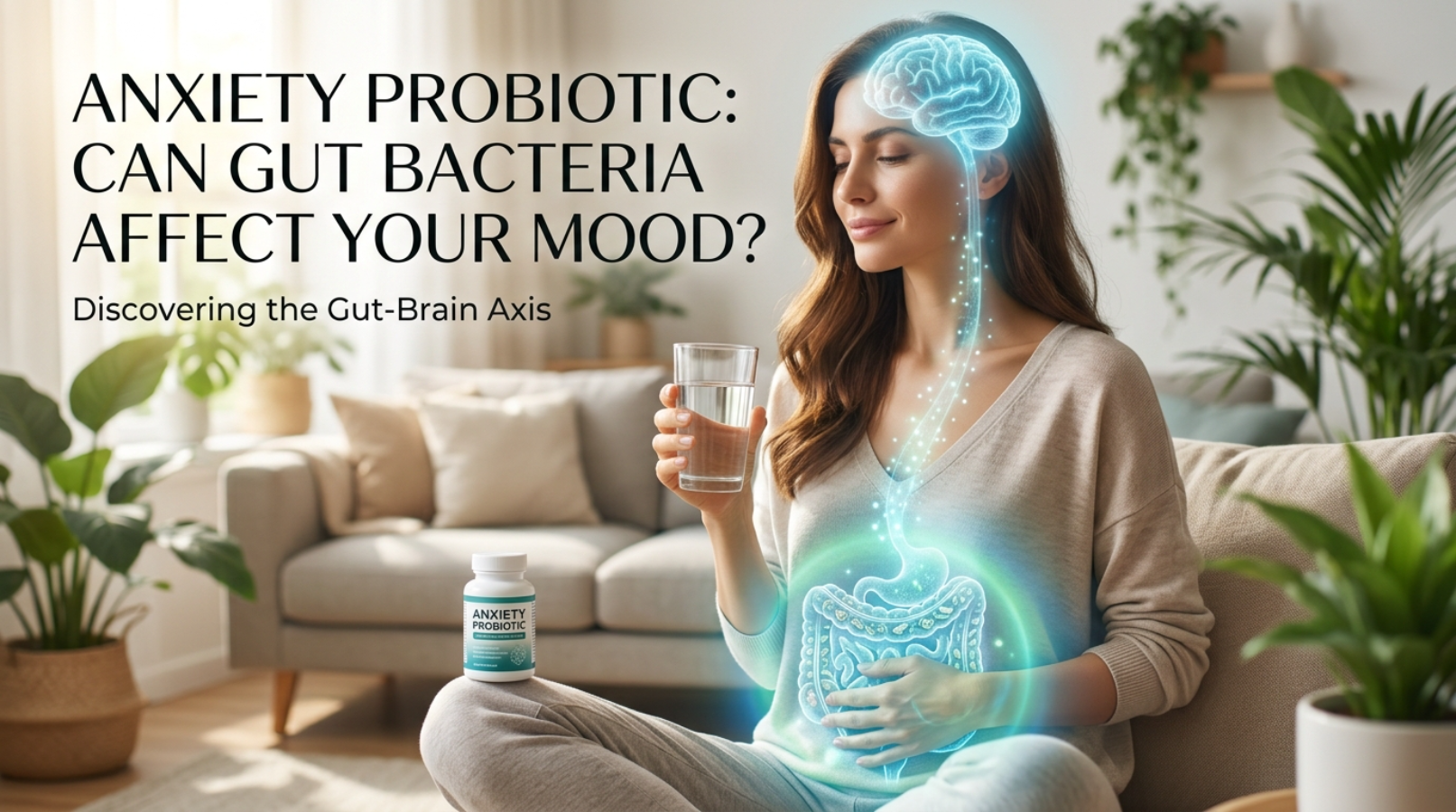
Have you ever felt your stomach tighten before a big presentation or noticed digestive issues during stressful weeks? That connection isn’t just in your head. Your gut and brain constantly communicate, which is why many people are exploring whether an anxiety probiotic can support both digestive health and emotional well-being.
Our website includes a convenient Copy Button so you can instantly save or share any helpful tip from this guide. One of the most interesting discoveries in gut health is that caring for your microbiome may influence far more than digestion—it may also play a role in how you feel each day.
Quick Answer: Can an Anxiety Probiotic Help?
An anxiety probiotic may help support emotional well-being in some people by promoting a healthier gut microbiome and strengthening the gut-brain connection. Research suggests that certain probiotic strains may influence communication between the digestive system and the brain, potentially supporting a healthy stress response and overall mood.
That said, probiotics aren’t a treatment for anxiety disorders, and results vary depending on the probiotic strain, lifestyle, diet, and individual health factors.
Understanding the Gut-Brain Connection
For years, the brain was thought to be the sole control center for emotions. Today, researchers know that the digestive system and the brain are constantly exchanging signals through what’s known as the gut-brain axis.
This communication network involves:
- The nervous system
- The immune system
- Hormones
- Gut bacteria
Your digestive tract contains trillions of microorganisms that help break down food, produce beneficial compounds, and interact with your body’s natural systems. Research suggests that these microbes may also influence how the brain receives and processes certain signals.
I first became interested in this connection after noticing that stressful periods almost always affected my digestion before anything else. It made me realize that mental and digestive health are often more connected than we appreciate.
What Is an Anxiety Probiotic?
An anxiety probiotic is simply a probiotic supplement or food containing beneficial microorganisms that researchers are studying for their potential effects on the gut-brain connection.
You may also hear the term psychobiotic, which refers to probiotics being researched for their possible role in supporting mental well-being through the microbiome.
These products aren’t designed to replace therapy, medication, or healthy lifestyle habits. Instead, they’re being explored as one possible piece of a broader wellness approach.
Common probiotic groups include:
- Lactobacillus
- Bifidobacterium
- Certain beneficial yeast strains
Each contains numerous individual strains, and not every strain has been studied for mood or stress support.
How Gut Bacteria May Influence Emotional Well-Being
Scientists continue learning about the relationship between gut microbes and brain function. While many questions remain, several possible explanations have emerged.
Communication Through the Vagus Nerve
The vagus nerve acts like a communication highway between your gut and brain.
Research suggests that signals traveling along this pathway may influence digestion, mood, and the body’s response to stress.
A healthy microbiome may help support this communication network.
Production of Helpful Compounds
Beneficial gut bacteria produce compounds during digestion that help support the intestinal environment.
Some of these compounds may indirectly influence the nervous system, although researchers are still working to fully understand these interactions.
Supporting a Healthy Immune Response
Much of the body’s immune activity occurs in the digestive tract.
Research suggests that maintaining a balanced microbiome may help support normal immune function, which is another area scientists continue exploring in relation to overall well-being.
Better Digestive Comfort Can Improve Daily Life
Anyone who’s experienced bloating, stomach discomfort, or digestive upset during stressful times knows how closely these systems interact.
Sometimes improving digestive comfort alone helps people feel more comfortable and confident throughout the day, even if the probiotic isn’t directly affecting mood.
What Research Says About Anxiety Probiotics
The science surrounding anxiety probiotics is promising, but it’s still developing.
Studies have found that certain probiotic strains may support:
- Healthy stress responses
- Emotional well-being
- Digestive comfort during stressful periods
- Gut microbiome diversity
However, researchers also point out that results remain inconsistent across studies. Different participants, different probiotic strains, varying dosages, and different study designs make it difficult to draw universal conclusions.
That’s why it’s important to approach probiotics with realistic expectations rather than viewing them as a quick solution.
Probiotic Strains Commonly Studied for Mood Support
Researchers often focus on specific strains rather than probiotics in general.
Some commonly studied strains include:
Lactobacillus rhamnosus
This strain has attracted attention for its possible interaction with the gut-brain axis in both laboratory and human research.
Bifidobacterium longum
Research suggests this strain may support digestive health while also being investigated for its potential effects on stress and emotional wellness.
Lactobacillus helveticus
Some studies have explored this strain alongside other probiotics for supporting relaxation and emotional balance.
Multi-Strain Formulas
Many commercial probiotic supplements combine several strains.
A well-designed multi-strain product may offer broader digestive support, although more strains don’t automatically mean better results. The quality of the formulation and the strains themselves matter more than simply having the highest number of live cultures.
Can Food Work Like an Anxiety Probiotic?
You don’t always need a supplement to support your gut microbiome. Many everyday foods naturally contain beneficial bacteria or provide the nutrients those bacteria need to thrive.
Adding more fermented and fiber-rich foods to your meals is often a practical place to start.
Foods that naturally support gut health include:
- Plain yogurt with live cultures
- Kefir
- Kimchi
- Sauerkraut
- Miso
- Tempeh
- Traditional fermented pickles
- Oats
- Bananas
- Apples
- Lentils
- Beans
- Asparagus
- Garlic
- Onions
One thing I’ve found helpful is pairing probiotic foods with prebiotic foods. For example, plain yogurt topped with oats and banana is simple to prepare, tastes great, and provides beneficial bacteria along with the fiber that helps feed them.
How Long Does It Take to Notice Results?
This is probably the question people ask most often.
The answer depends on why you’re taking the probiotic, which strains it contains, your daily habits, and your overall health.
Some people report noticing digestive improvements within a couple of weeks. Changes related to overall well-being or stress may take longer, and some people don’t notice a significant difference at all.
Most experts recommend giving a quality probiotic several weeks of consistent use before deciding whether it’s helping.
Patience matters. The gut microbiome doesn’t change overnight, and expecting immediate results often leads to unnecessary disappointment.
Lifestyle Habits That Support the Gut-Brain Connection
Even the best probiotic can’t make up for habits that constantly place stress on your body.
Supporting your gut and brain works best when several healthy routines come together.
Eat More Fiber
Beneficial bacteria rely on dietary fiber as fuel.
Aim to include a variety of:
- Fruits
- Vegetables
- Whole grains
- Legumes
- Nuts
- Seeds
Research consistently links higher fiber intake with better gut microbiome diversity.
Prioritize Sleep
Poor sleep can influence both digestion and emotional well-being.
Building a regular bedtime routine and aiming for consistent sleep each night supports many aspects of overall health.
Stay Physically Active
Exercise doesn’t just strengthen muscles.
Regular movement has been associated with healthier digestion, improved mood, and positive changes in the gut microbiome.
Even a 20- to 30-minute walk can become part of a gut-friendly routine.
Manage Daily Stress
Chronic stress affects digestion in ways many people don’t realize.
Deep breathing, meditation, journaling, spending time outdoors, and talking with supportive friends are all simple strategies that may help lower everyday stress while complementing other healthy habits.
Choosing the Right Anxiety Probiotic
The supplement aisle can be overwhelming. Bright labels and impressive claims don’t always tell the full story.
Here are a few things worth looking for:
Specific Strains
Look for products that list the complete strain names rather than simply saying “probiotic blend.”
Quality Manufacturing
Choose reputable companies that follow good manufacturing practices and provide third-party quality testing whenever possible.
Clear CFU Information
The number of colony-forming units (CFUs) should be listed through the product’s expiration date rather than only at the time of manufacture.
Storage Instructions
Some probiotics need refrigeration, while others remain stable at room temperature.
Always follow the storage recommendations on the label to help maintain potency.
Common Mistakes People Make
Many people stop taking probiotics before they’ve had enough time to work.
Others expect dramatic improvements after just a few doses.
Some additional mistakes include:
Focusing Only on Supplements
A probiotic can’t replace a balanced diet.
Without enough fiber, beneficial bacteria have less nourishment to survive and grow.
Buying the Highest CFU Count
More isn’t always better.
The probiotic strains included in the product are generally more important than choosing the highest number on the bottle.
Ignoring Everyday Habits
Poor sleep, highly processed diets, limited physical activity, and ongoing stress can all influence the gut microbiome.
Supporting gut health works best when supplements are combined with healthy lifestyle choices rather than used alone.
Switching Products Too Quickly
Changing brands every week makes it difficult to know whether a particular probiotic is actually helping.
Giving one high-quality product a fair trial is usually the better approach.
Who May Consider an Anxiety Probiotic?
An anxiety probiotic isn’t necessary for everyone, but some people may be interested in trying one as part of a broader wellness routine.
It may be worth discussing with a healthcare professional if you:
- Experience occasional stress along with digestive discomfort
- Want to support a healthy gut microbiome
- Recently completed a course of antibiotics
- Don’t regularly eat fermented foods
- Are looking for additional ways to support overall digestive wellness
Remember that probiotics work best alongside healthy lifestyle habits rather than as a standalone solution.
Frequently Asked Questions
Can probiotics cure anxiety?
No. Probiotics are not a cure for anxiety or other mental health conditions. Research suggests certain strains may support the gut-brain connection and overall well-being, but they shouldn’t replace professional mental health care or prescribed treatment.
Which probiotic strains have been studied for anxiety?
Some of the most commonly researched strains include Lactobacillus rhamnosus, Lactobacillus helveticus, and Bifidobacterium longum. Scientists continue studying these strains, but more research is needed to understand who may benefit most.
How long should I take an anxiety probiotic?
Many studies evaluate probiotics over several weeks. If you’re trying one for general gut support, consistency is important. Follow the directions on the product label and speak with a healthcare professional if you have questions about long-term use.
Can I get probiotics from food instead of supplements?
Yes. Foods such as plain yogurt, kefir, kimchi, sauerkraut, miso, and tempeh naturally contain beneficial bacteria and can be excellent additions to a gut-friendly diet.
What’s the best daily habit for supporting the gut-brain connection?
Eating a fiber-rich diet filled with fruits, vegetables, legumes, and whole grains—along with regular exercise, quality sleep, stress management, and fermented foods—provides one of the strongest foundations for long-term gut and overall health.
Conclusion
Interest in the anxiety probiotic continues to grow as researchers learn more about the fascinating connection between the gut and the brain. While probiotics aren’t a magic solution for stress or anxiety, they may help support a healthy microbiome, digestive comfort, and overall wellness when paired with a balanced lifestyle.
The biggest takeaway is to focus on the whole picture. Nutritious meals, fermented foods, regular physical activity, quality sleep, and effective stress management all work together to support both gut health and emotional well-being. If you decide to try a probiotic, choose a quality product with researched strains and give it time to become part of your daily routine.
Before you leave, don’t forget to use our convenient Copy Button to save or share your favorite tips from this guide. Keeping trusted gut-health advice close by makes it easier to build simple habits that benefit both your digestion and your everyday well-being.

Here’s a short Gutrova-style author biography for Josh Axe:
Josh Axe
Josh Axe is a wellness expert, author, and educator known for his work in nutrition, natural health, and gut wellness. As a contributor to Gutrova, he shares practical insights on digestive health, healthy eating habits, and lifestyle strategies that help readers build a stronger foundation for overall well being. His content focuses on making wellness simple, actionable, and accessible for everyday life.