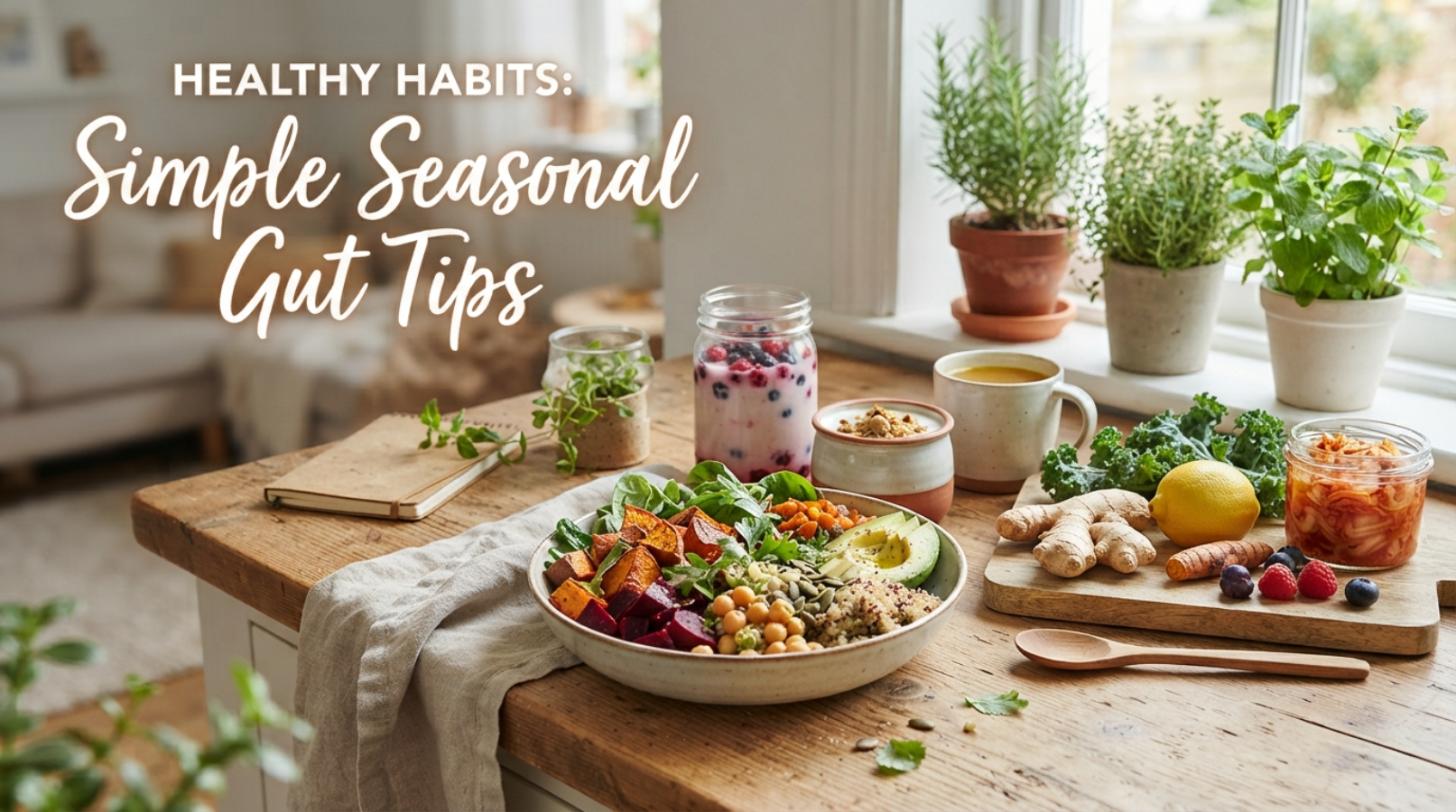
Healthy Habits can make supporting your gut health much simpler because small daily choices often fit into real life better than strict routines.
As the seasons change, your meals, activity, sleep schedule, hydration needs, and daily rhythm may change too.
At Gutrova, the Copy Button lets you quickly copy and save useful wellness tips for later. So, when you find a seasonal habit that works for you, you can keep it handy instead of trying to remember it.
Quick Answer: What Healthy Habits Support Gut Health?
Healthy Habits for gut health include eating a varied diet rich in fiber, drinking enough fluids, staying physically active, getting consistent sleep, managing stress, and paying attention to foods that don’t agree with you.
The goal isn’t to follow a perfect routine. Instead, build a few habits you can repeat throughout the year. Then adjust them as weather, schedules, food availability, and your personal needs change.
Why Healthy Habits Matter More Than Perfect Days
Gut health isn’t determined by one breakfast, one restaurant meal, or one lazy weekend.
Your regular pattern matters more.
A week that includes vegetables, fruits, whole grains, beans, nuts, seeds, adequate fluids, movement, and enough sleep looks very different from a week built mostly around highly processed foods, sugary drinks, little movement, and irregular sleep.
Harvard Health highlights fiber-rich foods, hydration, stress management, sleep, and physical activity as practical ways to support a healthier gut microbiome.
That doesn’t mean every meal needs to be carefully planned. In fact, I find the opposite is often easier. When a healthy choice becomes automatic, you spend less time thinking about it.
Healthy Habits for Spring
Spring naturally encourages lighter meals and more outdoor activity.
It’s also a useful time to refresh your food routine without starting an extreme diet.
Add More Plant Variety
Try rotating:
- Leafy greens
- Peas
- Asparagus
- Strawberries
- Citrus
- Carrots
- Beans
- Lentils
- Whole grains
For example, add spinach and berries to breakfast, chickpeas to lunch, and roasted vegetables to dinner.
You don’t need to buy every seasonal ingredient at once. Pick two or three new foods and work them into meals you already enjoy.
Get Outside Again
A short walk after lunch can be a surprisingly easy spring habit.
You might walk around the block, take the dog outside, garden, or simply spend a few extra minutes moving after sitting at your desk.
Regular physical activity supports general health and can also help with bowel regularity. NIDDK lists regular physical activity among measures that can help prevent and manage constipation.
Healthy Habits for Summer
Summer changes the way many people eat and move.
Longer days can mean more outdoor activity, while heat can increase fluid needs.
Make Hydration Automatic
Keep water within reach rather than waiting until you’re very thirsty.
You can also add lemon, lime, cucumber, berries, or mint if plain water feels boring. Water-rich foods such as watermelon, cucumber, tomatoes, and berries can contribute to overall fluid intake as well.
NIDDK notes that adequate liquids help fiber work properly and can help prevent constipation.
Keep Summer Meals Simple
A summer lunch could be as easy as:
Base: Quinoa or brown rice
Protein: Chickpeas, chicken, tofu, or salmon
Produce: Tomatoes, cucumber, greens, and berries
Fat: Avocado or olive oil
Flavor: Lemon, herbs, and black pepper
This approach gives you variety without requiring a complicated recipe.
Don’t Forget Food Safety
Outdoor meals bring another seasonal consideration: safe food handling.
Keep perishable foods chilled, avoid leaving foods in the heat for long periods, and wash produce before eating. A beautiful summer picnic isn’t worth an avoidable bout of digestive trouble.
Healthy Habits for Fall
Fall is a great time to bring more warm, fiber-rich meals into your routine.
Think oatmeal, roasted vegetables, lentil soup, bean chili, baked apples, squash, sweet potatoes, and whole grains.
Make One-Pot Meals
A large pot of vegetable and lentil soup can provide several meals.
Try combining:
- Lentils
- Carrots
- Celery
- Tomatoes
- Spinach
- Onion
- Garlic
- Herbs
- Low-sodium broth
Serve it with whole-grain toast or a small side salad.
This kind of meal is practical because leftovers become tomorrow’s lunch.
Keep Fiber Changes Gradual
Fall can also bring a sudden increase in hearty foods.
If you’ve eaten little fiber during summer and suddenly start eating large amounts of beans, lentils, whole grains, and vegetables, your digestive system may need time to adjust.
NIDDK recommends increasing fiber gradually rather than making a large change all at once.
So, add one fiber-rich food at a time and drink enough fluids.
Healthy Habits for Winter
Winter routines often look different.
You may spend more time indoors, eat more comfort food, and move less. That’s normal. The trick is to keep a few simple anchors in place.
Build a Warm Breakfast
Try oatmeal topped with:
- Berries or chopped apple
- Walnuts
- Chia or ground flaxseed
- Cinnamon
For extra protein, add plain yogurt or serve an egg on the side.
Keep Moving Indoors
You don’t need perfect weather to stay active.
Try walking indoors, using stairs, stretching, doing household chores, dancing, or following a simple strength routine.
Mayo Clinic notes that even smaller amounts of physical activity can add up, while regular activity supports broader health and fitness.
A 10-minute walk is still a walk.
Healthy Habits and Fiber
Fiber is one of the most useful foundations for a gut-friendly eating pattern.
You’ll find it in:
- Oats
- Barley
- Beans
- Lentils
- Chickpeas
- Berries
- Apples
- Pears
- Broccoli
- Peas
- Nuts
- Seeds
- Whole-grain breads and pastas
Different foods provide different types of fiber, so variety is helpful.
However, don’t treat fiber like a challenge where more is always better. If your current intake is low, increase it gradually. NIDDK recommends this approach because a sudden increase can make digestive symptoms worse for some people.
An Easy Fiber Upgrade
Instead of changing your entire diet, make small swaps.
Have oatmeal instead of a low-fiber breakfast cereal. Add berries to yogurt. Choose a whole-grain side at dinner. Toss chickpeas into a salad.
Small changes are easier to repeat.
Healthy Habits for Hydration
Hydration is easy to overlook when you’re busy.
It can also change with the seasons.
During hot weather, you may need more fluids because of sweating and outdoor activity. In winter, you might drink less simply because you don’t feel as thirsty.
Keep water nearby throughout the day. Unsweetened tea, milk, and water-rich foods can also contribute to your total fluid intake.
If you’re increasing fiber, hydration becomes particularly useful. NIDDK recommends drinking plenty of liquids to help fiber work better and to support softer stools.
Rather than forcing yourself to drink a huge amount at once, sip regularly.
Healthy Habits for Better Meal Timing
Your schedule doesn’t have to look identical every day.
Still, extremely irregular eating can make healthy choices harder.
Try creating a loose rhythm:
Morning: Breakfast when you’re hungry and able to eat.
Midday: A balanced lunch with vegetables, protein, and a fiber-rich carbohydrate.
Afternoon: A simple snack if you need one.
Evening: A satisfying dinner rather than waiting until you’re extremely hungry.
You don’t need to follow exact clock times. Instead, aim for a routine that prevents long stretches of skipping meals followed by very large portions.
Healthy Habits and Mindful Eating
Eating quickly can make it harder to notice fullness.
A simple change is to put your fork down occasionally and slow the pace of the meal.
You can also reduce distractions for part of your meal. Turn off the TV, step away from your computer, or simply pay attention to the flavors and texture of your food.
This doesn’t need to become a formal mindfulness exercise.
Sometimes, eating without rushing is enough.
Healthy Habits for Sleep
Sleep belongs in a gut-health routine too.
Your body follows daily rhythms, and sleep affects many aspects of physical health. Mayo Clinic recommends keeping a consistent sleep schedule, including similar bedtimes and wake times on weekends.
Try a simple evening routine:
- Dim the lights.
- Finish large meals well before bedtime.
- Reduce caffeine later in the day if it affects your sleep.
- Put screens away before bed.
- Keep your bedroom cool, dark, and quiet.
- Wake at roughly the same time each morning.
You don’t need to change everything tonight. Pick one step and make it easy.
Healthy Habits for Stressful Weeks
Some weeks simply don’t cooperate.
Work gets busy. Family plans change. Travel happens. Sleep slips.
That’s when flexible habits matter most.
Instead of abandoning your routine completely, keep three anchors:
Eat one fruit or vegetable with a meal.
Drink water regularly.
Move for at least a few minutes.
Then return to your usual routine when life settles down.
This approach is much more realistic than expecting perfect habits every day.
What to Do When a Healthy Food Doesn’t Agree With You
A food can be nutritious and still cause digestive discomfort.
Beans, dairy, certain fruits, large amounts of fiber, and other foods may bother some people. That doesn’t automatically mean the food is unhealthy.
Start by looking at the portion and preparation.
For example, a small serving of cooked beans may feel different from a large serving added suddenly to your diet. Similarly, cooked vegetables may be more comfortable for some people than a very large raw salad.
If symptoms keep returning, write down the food, portion, timing, and symptoms. This can help you notice patterns rather than removing half your diet based on one uncomfortable meal.
People with diagnosed digestive conditions may need more individualized dietary guidance. NIDDK notes that dietary changes can differ among people with IBS, and some people may benefit from working with a health professional or dietitian.
A Simple Seasonal Healthy Habits Checklist
You can use this quick checklist at the start of each season:
Food: Am I eating several types of plants each week?
Fiber: Am I increasing fiber gradually?
Fluids: Do I have water available during the day?
Movement: Am I moving regularly?
Sleep: Is my sleep schedule reasonably consistent?
Stress: Do I have one simple way to unwind?
Digestion: Have I noticed any foods or habits that repeatedly cause discomfort?
You don’t need seven perfect answers.
Even one improvement is a useful place to start.
A Realistic One-Day Routine
Here’s what these habits might look like on an ordinary weekday.
Breakfast: Oatmeal with berries, walnuts, and plain yogurt.
Morning: Water and a short walk.
Lunch: Grain bowl with greens, roasted vegetables, chickpeas, and olive oil.
Afternoon: Apple with peanut butter.
Dinner: Salmon, roasted sweet potato, and broccoli.
Evening: A relaxed walk followed by a consistent bedtime routine.
The menu can change with the season. In summer, swap roasted vegetables for tomatoes and cucumber. In fall, use squash and apples. Winter might call for soup and cooked greens.
The habits stay similar even when the foods change.
Frequently Asked Questions About Healthy Habits
What are the best Healthy Habits for gut health?
Start with a varied, fiber-rich diet, adequate fluids, regular movement, consistent sleep, and manageable stress. These habits work together rather than relying on one special food or supplement.
Can Healthy Habits improve digestion?
Healthy eating, adequate fluids, physical activity, and regular routines can support normal digestive function. However, persistent digestive symptoms can have many causes and shouldn’t automatically be blamed on lifestyle.
How quickly can Healthy Habits make a difference?
There isn’t one timeline that applies to everyone. Some routine changes may affect bowel regularity relatively quickly, while broader lifestyle changes take time to become consistent. Focus on habits you can maintain rather than chasing immediate results.
Should I change my diet every season?
You don’t have to. Seasonal changes simply offer an easy opportunity to rotate fruits, vegetables, grains, and other foods. Keeping a few familiar meals year-round can make healthy eating easier.
What if I can’t follow Healthy Habits every day?
That’s completely workable. Missing a walk or eating a less balanced meal doesn’t erase your routine. Instead, return to your next useful choice and keep going.
Final Thoughts
Healthy Habits for gut health don’t need to be strict, expensive, or complicated. A varied diet, gradual fiber changes, regular hydration, daily movement, consistent sleep, and practical stress management can create a strong foundation for everyday wellness.
Let the seasons give you new foods and new ways to move, but keep the basic routine flexible. A habit that fits your actual life is far more useful than a perfect plan you can’t maintain.
When you find a Gutrova tip you want to save, use the Copy Button to keep it for your next grocery trip, meal plan, or weekly routine.
Source basis
The article’s guidance on fiber, hydration, physical activity, and constipation was checked against NIDDK guidance, which recommends adequate fiber and fluids and notes that regular physical activity can help prevent or manage constipation.
Harvard Health identifies fiber, hydration, stress management, sleep, and physical activity as practical components of supporting gut health.
For sleep, Mayo Clinic recommends consistent sleep and wake times, attention to evening food and caffeine, and regular daytime physical activity.
The article intentionally presents these as supportive lifestyle habits, not as treatments or guaranteed solutions for digestive disease.

Elizabeth Boham is a respected functional medicine physician and wellness educator with a passion for helping people improve their health through nutrition and lifestyle changes. As a contributor to Gutrova, she shares practical insights on gut health, digestive wellness, and healthy living, making complex health topics easy to understand and apply in everyday life.











1 thought on “Healthy Habits: Simple Seasonal Gut Tips”