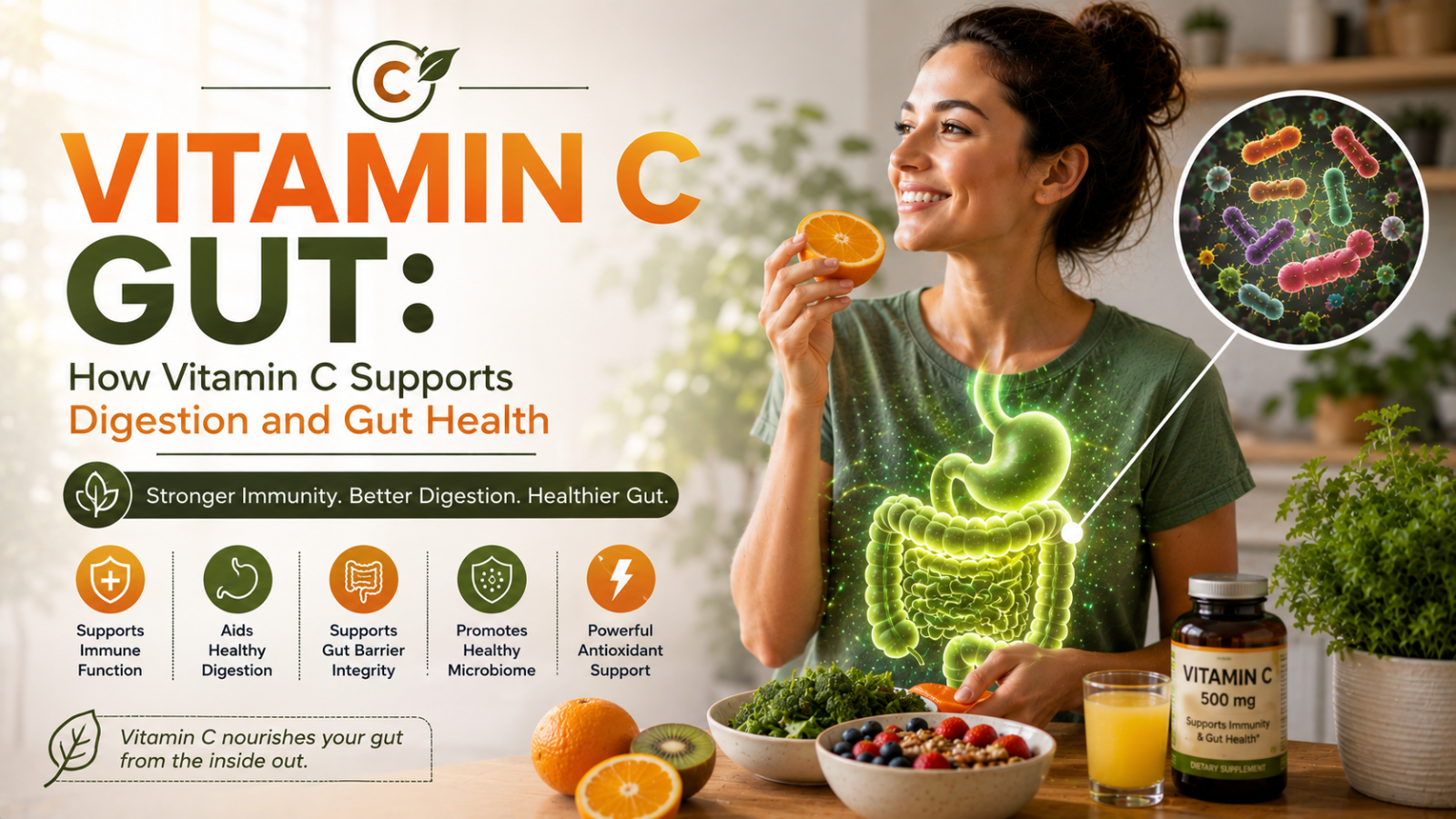
Vitamin c gut health is an interesting connection because this familiar nutrient does much more than support the immune system. From the foods on your plate to the health of your digestive tract, vitamin C plays several important supporting roles. If you find a helpful tip below, you can use the Copy Button to save it or share it with someone who wants to build healthier eating habits.
Most people think of oranges first, yet vitamin C comes from many fruits and vegetables. Its relationship with digestion is also more complex than simply eating citrus fruit, which is why understanding the vitamin c gut connection can help you make smarter food choices.
Quick Answer: How Does Vitamin C Affect Gut Health?
Vitamin C may support gut health in several ways. It acts as an antioxidant, helps the body make collagen, supports normal immune function, and contributes to the health of tissues throughout the body, including the digestive tract.
A vitamin C-rich diet also includes many fruits and vegetables that provide fiber and plant compounds. As a result, the benefits often come from the entire food pattern rather than vitamin C alone.
Vitamin C Gut Health and the Digestive Tract
The vitamin c gut relationship begins with the tissues that make up the digestive system. Your digestive tract is lined with specialized cells that help digest food, absorb nutrients, and create a protective barrier between the inside of your intestine and the rest of your body.
Vitamin C helps the body produce collagen, an important protein found in many tissues. Therefore, getting enough vitamin C supports normal tissue structure throughout the body.
That doesn’t mean eating an orange will suddenly repair digestive problems. Gut health depends on many factors, including diet, sleep, stress, movement, medications, and the gut microbiome.
Still, nutrients matter.
I often think about nutrition as a team effort. One nutrient rarely carries the entire workload, but consistently eating nutrient-rich foods gives your body more of what it needs to function normally.
Why the Gut Barrier Matters
The intestinal barrier has an important job. It helps control what moves from the digestive tract into the body while allowing nutrients to be absorbed.
Research continues to explore how nutrients, inflammation, and the gut microbiome influence this barrier. Vitamin C’s role in collagen production and antioxidant activity makes it relevant to the broader conversation about digestive tissue health.
However, the vitamin c gut connection should not be viewed in isolation. A diet low in fiber and plant foods cannot be completely balanced by taking one nutrient supplement.
How Vitamin C Supports Gut Cells
Cells throughout the body experience normal metabolic stress. Antioxidants help manage processes involving free radicals, and vitamin C is one of the nutrients involved in antioxidant activity.
The digestive tract is constantly active. Food moves through it, microbes interact with it, and immune cells monitor the environment.
Because of these ongoing activities, a varied diet can help support normal cellular function. Fruits and vegetables provide vitamin C along with many other useful nutrients and plant compounds.
For example, bell peppers provide vitamin C, while they also add color, crunch, and other beneficial compounds to meals. Similarly, broccoli offers vitamin C and fiber.
This is one reason whole foods are usually more interesting nutritionally than focusing on a single isolated nutrient.
Vitamin C Gut Benefits May Include Immune Support
A large portion of the body’s immune activity is connected to the digestive system. The gut and immune system constantly communicate, so maintaining a healthy lifestyle can support both areas.
Vitamin C is known for its role in normal immune function. Therefore, adequate intake remains important for general health.
The vitamin c gut connection becomes especially interesting because immune activity and the gut microbiome influence one another. Scientists continue studying these relationships, although gut health is too complex to credit to one vitamin.
A healthy immune system also benefits from adequate sleep, regular physical activity, nutritious food, and stress management.
Instead of searching for one perfect nutrient, it makes more sense to look at your daily habits as a whole.
Vitamin C and the Gut Microbiome
The vitamin c gut microbiome relationship is still an area of scientific interest. Your gut contains a large community of microorganisms, including bacteria that interact with food components and the digestive environment.
Vitamin C itself is not fiber, so it doesn’t act as a traditional prebiotic. Prebiotics are substances that beneficial microbes can use as fuel.
However, many vitamin C-rich foods naturally contain other components that may support a healthy gut environment. Fruits and vegetables can provide fiber, polyphenols, and other plant compounds.
Consider a bowl containing berries, kiwi, and a handful of chopped nuts. The vitamin C is useful, but so are the fiber and plant compounds.
Similarly, a meal with broccoli, sweet potatoes, and beans offers much more than one nutrient.
That broader dietary pattern matters.
Don’t Forget Fiber
Fiber remains one of the most important nutrients for digestive health. Certain types of fiber reach the large intestine, where gut microbes can use them.
As a result, combining vitamin C-rich foods with fiber-rich foods can be a practical approach.
Try these combinations:
- Bell peppers with hummus
- Berries with oats
- Kiwi with plain yogurt
- Broccoli with beans
- Citrus fruit with nuts
- Strawberries with chia seeds
These combinations provide different nutrients and textures. They also make healthy eating feel less repetitive.
Best Foods for Vitamin C Gut Support
The best foods for vitamin c gut support are generally whole fruits and vegetables. You don’t need to eat the same citrus fruit every day.
Here are several practical options.
Bell Peppers
Bell peppers are an easy way to add vitamin C to meals. Red, yellow, and orange varieties also bring bright color to salads, wraps, and grain bowls.
For a simple snack, slice a pepper and pair it with hummus.
Broccoli
Broccoli provides vitamin C and dietary fiber. Lightly steaming it can make the texture easier for some people to enjoy.
Roasting works well, too. A little olive oil and seasoning can make a basic vegetable much more appealing.
Strawberries
Strawberries are naturally sweet and easy to add to breakfast. Try them with oatmeal, yogurt, or a simple bowl of mixed fruit.
Meanwhile, their fiber adds another reason to include them in a balanced diet.
Kiwi
Kiwi has a bright flavor and provides vitamin C. Some people enjoy it as a snack, while others add it to smoothies or fruit salads.
Its small size also makes portioning easy.
Citrus Fruits
Oranges, grapefruit, and other citrus fruits are familiar sources of vitamin C. Fresh fruit can be a convenient alternative to heavily sweetened snacks.
However, whole fruit usually offers more nutritional value than relying on juice alone because whole fruit also contains fiber.
Brussels Sprouts
Brussels sprouts belong to the same broad vegetable family as broccoli. Roasting them can bring out a milder, slightly sweet flavor.
They also pair well with other fiber-rich foods.
Can Vitamin C Help With Digestion?
Vitamin C does not directly function as a digestive enzyme. Therefore, it should not be treated as a replacement for the body’s normal digestive processes.
Still, the vitamin c gut relationship can support healthy eating habits because vitamin C-rich foods often fit naturally into a diet rich in plants.
For example, someone who regularly eats fruit at breakfast and vegetables at lunch may also consume more fiber than someone whose meals rarely include plant foods.
That doesn’t mean vitamin C causes every digestive benefit. Instead, it often appears alongside other nutrients that support a healthy diet.
This distinction matters.
A supplement containing vitamin C is not nutritionally identical to eating a meal filled with colorful produce. Whole foods provide a broader mix of nutrients and naturally occurring compounds.
Vitamin C Gut Health: Food First or Supplements?
For many people, food is a practical starting point. A varied diet can provide vitamin C without turning nutrition into a complicated project.
Supplements may have a place for some individuals. However, taking large amounts simply because a nutrient sounds healthy isn’t always useful.
High supplemental doses of vitamin C can cause digestive discomfort in some people. For example, some individuals may experience loose stools, nausea, or stomach upset.
Therefore, more isn’t automatically better.
The NIH provides information about vitamin C, including dietary sources and recommended intake. This kind of evidence-based resource can be useful when you’re trying to understand nutrition without relying on exaggerated health claims.
A Practical Food-First Approach
You don’t need a complicated meal plan. Start by adding one vitamin C-rich food to a meal you already eat.
You might:
- Add strawberries to breakfast.
- Include bell peppers in a sandwich.
- Serve broccoli with dinner.
- Keep oranges available for snacks.
- Add kiwi to yogurt.
- Mix cabbage into a salad.
- Include tomatoes in wraps and bowls.
Small changes are often easier to maintain.
Cooking Methods and Vitamin C
Cooking can affect the vitamin C content of food. Because vitamin C is sensitive to heat and water, long cooking times may reduce the amount that remains.
That doesn’t mean raw vegetables are always the best choice.
Cooked vegetables can still be highly nutritious. In addition, cooking may improve flavor and make certain foods easier to eat.
A balanced approach works well. Enjoy some fruits and vegetables raw, while cooking others in ways you genuinely like.
Steaming vegetables for a shorter time can be one useful option. Roasting can also create a satisfying flavor without requiring large amounts of added ingredients.
The goal isn’t to preserve every possible nutrient molecule. Instead, aim to eat vegetables consistently.
Everyday Habits That Strengthen the Vitamin C Gut Connection
The vitamin c gut connection makes the most sense as part of a larger lifestyle. One fruit or supplement cannot compensate for every other part of your routine.
Here are practical habits that can support a healthier eating pattern.
1. Add Color to Your Plate
Different colored fruits and vegetables contain different nutrients and plant compounds. Therefore, variety can make your meals more interesting and nutritionally diverse.
2. Pair Vitamin C With Fiber
Choose combinations such as berries and oats or broccoli and beans. This approach supports a broader range of nutritional needs.
3. Eat Foods You Actually Enjoy
You don’t have to force yourself to eat foods you dislike. Instead, experiment with preparation methods and flavors.
4. Increase Variety Gradually
Suddenly changing your diet can feel overwhelming. Add new foods one at a time.
5. Don’t Rely on One “Superfood”
Health experts generally agree that dietary patterns matter more than one supposedly magical food.
6. Keep Convenient Options Available
Frozen berries and vegetables can be useful. They reduce preparation time and help you keep nutritious foods on hand.
7. Pay Attention to Your Own Digestion
Some foods may feel different from person to person. Notice patterns, but avoid assuming that one food is automatically good or bad for everyone.
My Favorite Simple Way to Eat More Vitamin C
Personally, I find that complicated nutrition advice rarely lasts. A simple approach works better: add one colorful fruit or vegetable to meals you already enjoy.
For breakfast, that might mean berries. At lunch, I might add sliced bell peppers. Dinner could include broccoli or another green vegetable.
Nothing about this approach feels dramatic.
However, those small choices can add up over time. They also create more variety, which is helpful because a diverse diet provides a wider range of nutrients.
Common Mistakes With Vitamin C and Gut Health
One common mistake is assuming that vitamin C alone determines digestive health. The gut is far too complex for that.
Another problem is treating supplements like insurance against a poor diet. Supplements can provide nutrients, but they don’t automatically replace the fiber and variety found in whole foods.
Some people also avoid fruits because of sugar concerns. Whole fruit can still fit into a balanced diet and provides nutrients that sweetened processed foods may lack.
Finally, don’t forget consistency.
Eating a nutritious meal once in a while is great, but your usual eating pattern matters more.
Frequently Asked Questions About Vitamin C Gut Health
Does vitamin C improve gut health?
Vitamin C supports normal immune function, antioxidant activity, and collagen production. The vitamin c gut relationship may also benefit from eating vitamin C-rich fruits and vegetables, which often provide fiber and other helpful plant compounds.
Is vitamin C good for the gut microbiome?
Vitamin C is not a traditional prebiotic. However, many foods rich in vitamin C also contain fiber and plant compounds that can support a healthy dietary pattern for the gut microbiome.
Can too much vitamin C cause digestive problems?
High amounts of supplemental vitamin C may cause digestive discomfort for some people. Food sources are generally an easy way to include vitamin C as part of a balanced diet.
What foods are best for vitamin C and digestion?
Bell peppers, broccoli, strawberries, kiwi, citrus fruits, and other fruits and vegetables can contribute vitamin C. Pairing these foods with fiber-rich choices can support a more balanced eating pattern.
Is vitamin C better from food or supplements?
Whole foods provide vitamin C along with other nutrients and plant compounds. Supplements may be useful in certain situations, but they don’t provide the same overall nutritional package as a varied diet.
Final Thoughts on Vitamin C Gut Health
The vitamin c gut connection is worth understanding, but it doesn’t need to be complicated. Vitamin C supports important functions in the body, while vitamin C-rich foods can also bring fiber, antioxidants, and a wide range of plant compounds to your diet.
Rather than chasing one nutrient, focus on regular habits. Eat a variety of fruits and vegetables, include fiber-rich foods, and choose meals you can realistically enjoy week after week.
A bowl of berries, a crunchy bell pepper, or a serving of broccoli may seem simple. Yet those everyday choices help create a more nutritious overall diet.
If you found these vitamin c gut tips useful, use the Copy Button to save your favorite ideas and share them with friends or family members who are working on healthier eating habits.










1 thought on “Vitamin C Gut: How Vitamin C Supports Digestion and Gut Health”