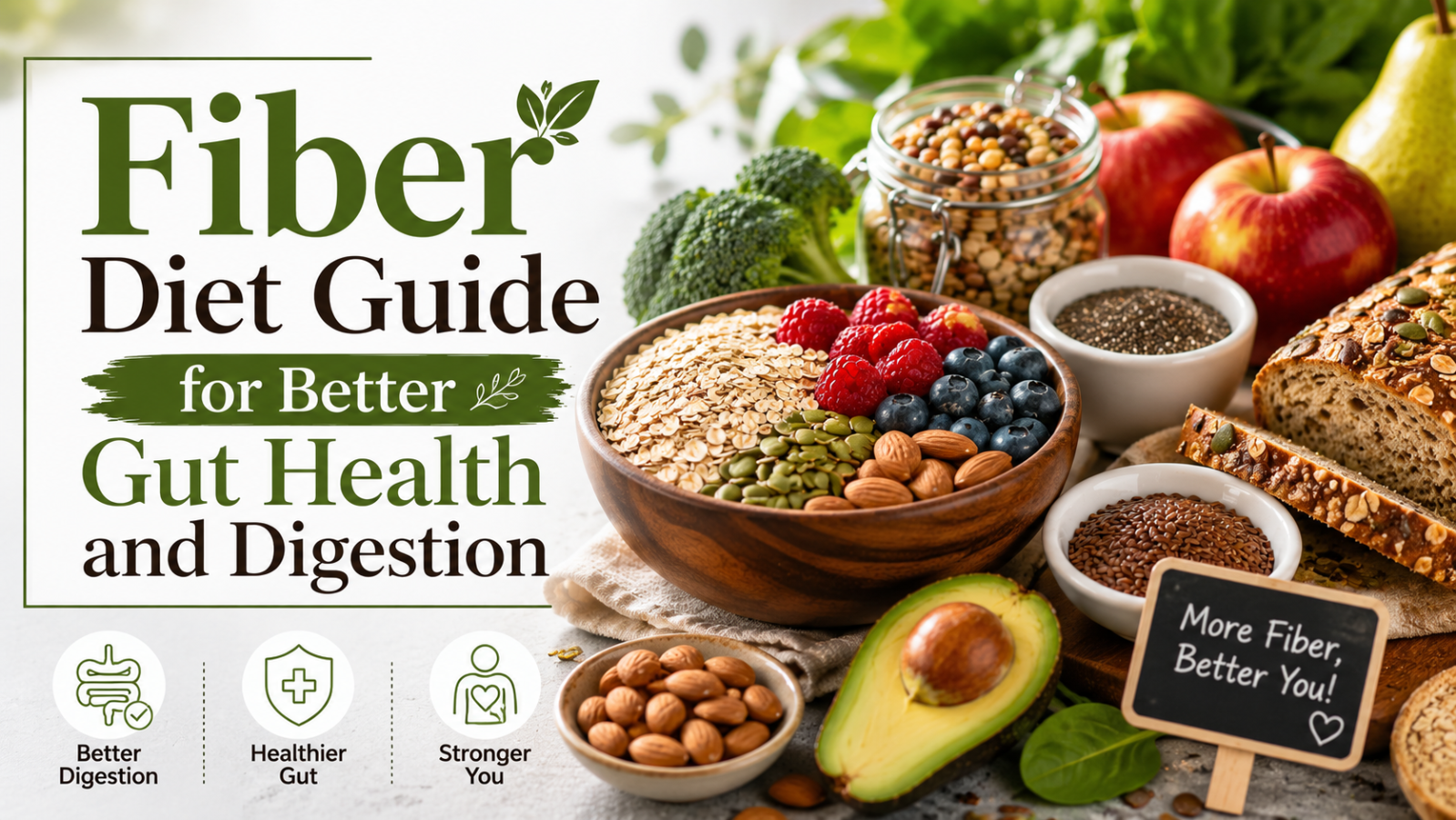
A fiber diet can make a noticeable difference in how satisfying your meals feel and how regularly your digestive system works. The trick is not simply eating more fiber. You need the right mix of foods, enough fluids, and a gradual approach that fits your routine.
If you’ve ever added a huge bowl of beans or a pile of raw vegetables to your meals and ended up feeling bloated, you already know why balance matters. Our Copy Button also makes it easy to save useful gut health tips and share your favorite ideas with family or friends.
Quick Answer
A fiber diet emphasizes vegetables, fruits, beans, lentils, whole grains, nuts, and seeds. These foods provide dietary fiber that supports regular bowel movements and helps feed beneficial gut microbes.
For most adults, a practical target is around 25 to 38 grams of fiber per day, depending on age and sex. However, your ideal intake also depends on your overall diet and tolerance.
The easiest approach is to increase fiber gradually. Add one high fiber food at a time, drink enough fluids, and spread fiber across breakfast, lunch, dinner, and snacks.
Why a Fiber Diet Matters for Your Gut
Dietary fiber is a type of carbohydrate that your body doesn’t fully digest. Instead, some fibers move through the digestive tract and help support normal bowel function.
Other fibers are fermented by gut microbes. As a result, they can contribute to the production of short chain fatty acids, compounds involved in several aspects of intestinal and metabolic health.
A diverse diet also gives your gut microbes a broader selection of food components to work with. That’s one reason nutrition experts often encourage eating a variety of plant foods rather than focusing on one supposed superfood.
How to Start a Fiber Diet Without Feeling Bloated
Going from very little fiber to a high fiber diet overnight isn’t always comfortable. Your digestive system may need time to adjust, especially if you’re suddenly eating much larger portions of beans, whole grains, vegetables, or seeds.
I’ve found that the most practical approach is to make small changes that don’t disrupt normal meals. For example, adding berries to breakfast is often easier than completely replacing your usual breakfast.
- Add oatmeal to breakfast a few mornings each week.
- Keep fruit available for an afternoon snack.
- Add a spoonful of chia or ground flaxseed to yogurt or oatmeal.
- Replace some refined grains with whole grain versions.
- Add lentils to soups and stews.
- Include vegetables with lunch and dinner.
- Increase portions gradually instead of doubling them overnight.
- Drink water regularly throughout the day.
- Spread fiber intake across several meals.
- Give your body several days to adjust to major dietary changes.
Fiber Diet Foods Worth Keeping in Your Kitchen
A good fiber diet doesn’t require expensive powders, specialty products, or complicated recipes. Many of the most useful options are ordinary foods you can find at a typical American grocery store.
Oats, beans, lentils, berries, pears, apples, peas, broccoli, sweet potatoes, whole grain bread, barley, nuts, seeds, and avocados can all contribute fiber to your daily intake.
Beans deserve special attention because they combine fiber with plant protein. However, they can also cause gas in some people. Starting with a smaller serving and increasing it gradually can make them easier to handle.
Whole grains are another practical choice. Look for foods such as oatmeal, brown rice, quinoa, barley, and whole grain breads instead of assuming that every brown-looking product contains substantial whole grains.
Building a High Fiber Diet Around Real Meals
It’s much easier to follow a fiber diet when you think in terms of meals rather than individual grams.
For breakfast, try oatmeal topped with blueberries, sliced banana, chia seeds, and a small handful of walnuts. At lunch, a lentil soup with a side salad can provide a satisfying combination of fiber and plant foods.
Dinner could be as simple as roasted salmon, a baked sweet potato, and steamed broccoli. You don’t need to make every meal extremely high in fiber. Consistency across the day matters more.
A practical rule I like is to ask yourself one question before eating: Where is the plant food in this meal?That small habit can change the way you build a plate without turning food into a math exercise.
Soluble and Insoluble Fiber Have Different Jobs
Not all fiber behaves the same way in your digestive system. Soluble fiber dissolves in water and can form a gel-like substance during digestion.
You can find soluble fiber in foods such as oats, beans, lentils, apples, citrus fruits, and some vegetables. It can also be fermented by gut bacteria.
Insoluble fiber doesn’t dissolve in water. It adds bulk to stool and helps food move through the digestive tract.
Whole grains, nuts, seeds, and many vegetables provide insoluble fiber. Most high fiber foods contain a mixture of different fiber types, so eating a varied diet is more useful than trying to separate them perfectly.
Fiber Diet Meal Ideas for Busy Days
Healthy eating often falls apart when there’s nothing convenient in the kitchen. Fortunately, fiber rich meals can be surprisingly quick.
Try overnight oats with berries and chia seeds for breakfast. For lunch, make a grain bowl with quinoa, chickpeas, chopped vegetables, avocado, and a simple dressing.
Need something faster? Pair an apple with peanut butter, or have plain yogurt with berries and ground flaxseed. For dinner, toss frozen vegetables into a brown rice bowl with beans and your preferred protein.
The goal isn’t to create elaborate meals every day. Instead, keep a few reliable combinations available so convenience doesn’t automatically mean choosing a low fiber meal.
What to Drink When Increasing Fiber
Water becomes particularly important when you increase dietary fiber. Fiber interacts with water in the digestive tract, and adequate fluid intake can help support comfortable digestion.
You don’t need to force enormous amounts of water. Instead, drink regularly throughout the day and pay attention to thirst, activity, weather, and your normal routine.
Coffee and tea can contribute to daily fluid intake, although everyone’s digestive response differs. If a particular drink consistently causes stomach discomfort, consider reducing it and observing how you feel.
For many people, the simplest combination is enough: fiber rich foods, regular fluids, and consistent meals.
Common Fiber Diet Mistakes to Avoid
Eating more fiber isn’t always better if you make changes too quickly. One of the most common mistakes is adding several high fiber foods at once and then assuming the entire diet doesn’t agree with you.
Another problem is relying heavily on packaged foods labeled high fiber while eating very few whole plant foods. Fortified products can have a place in a balanced diet, but they shouldn’t replace variety.
Skipping fluids can also make a sudden increase in fiber uncomfortable. Likewise, eating enormous portions of beans, bran, or raw vegetables can overwhelm someone who isn’t accustomed to them.
Instead, increase gradually and notice how your body responds. Your goal is a sustainable eating pattern, not the highest possible fiber number.
Fiber Diet Choices for Different Eating Styles
A fiber diet can work with many eating patterns. You don’t have to follow a vegetarian or vegan diet to eat more fiber.
If you eat meat, fish, or poultry, simply add plant foods alongside them. A chicken bowl with brown rice, black beans, vegetables, and avocado can be very fiber friendly.
Vegetarians can build meals around beans, lentils, whole grains, vegetables, nuts, seeds, eggs, and dairy foods. Vegans have plenty of options too, including legumes, fruits, vegetables, whole grains, nuts, and seeds.
For families, keep the approach flexible. A mom preparing dinner for several people might serve tacos with whole grain tortillas, black beans, lettuce, tomatoes, avocado, and a protein everyone enjoys.
Fiber Diet and Your Daily Routine
The best fiber diet is the one you can maintain on ordinary weekdays, not just during a highly motivated weekend.
Start by upgrading one meal. Breakfast is often an easy place because oats, fruit, whole grain toast, and seeds require little preparation.
Next, improve your snacks. Keep apples, pears, berries, nuts, or air-popped popcorn available instead of relying exclusively on highly processed snack foods.
Finally, make dinner more plant centered. You don’t have to remove foods you enjoy. Simply give vegetables, beans, whole grains, or other fiber rich foods a consistent place on the plate.
Small habits become much easier to maintain when they require little extra thought.
Frequently Asked Questions About a Fiber Diet
How much fiber should I eat each day
Many adults can use roughly 25 to 38 grams per day as a general reference, although individual needs vary. Women and men may have different recommended amounts, and needs can change with age.
What foods are highest in fiber
Beans, lentils, peas, whole grains, berries, pears, nuts, seeds, and many vegetables are excellent sources. Combining several categories throughout the day makes reaching your target easier.
Can a fiber diet cause gas
It can, particularly if you increase fiber quickly. Beans, lentils, certain vegetables, and some whole grains may cause more gas during the adjustment period. Gradual increases often work better.
Should I increase fiber quickly if I’m constipated
A sudden increase may cause discomfort. Gradually adding fiber while maintaining adequate fluid intake is generally a more comfortable strategy. Persistent or significant digestive symptoms deserve individual medical advice.
Is fiber good for gut bacteria
Certain fibers can be fermented by gut microbes and support the production of beneficial compounds such as short chain fatty acids. Eating a diverse range of plant foods gives your microbiome different types of fiber to work with.
Conclusion
A fiber diet doesn’t need to be complicated. Focus on variety, increase your intake gradually, drink fluids consistently, and build meals around vegetables, fruits, legumes, whole grains, nuts, and seeds.
Most importantly, make the changes practical. A bowl of oatmeal, an apple with peanut butter, a lentil soup, or a bean and vegetable dinner can all move your diet in a more fiber rich direction without turning healthy eating into a full time project.
Save the fiber tips that fit your routine and use our Copy Button to instantly copy and share your favorites. A few simple changes repeated consistently can make a much more useful wellness routine than an overly restrictive diet that lasts only a few days.