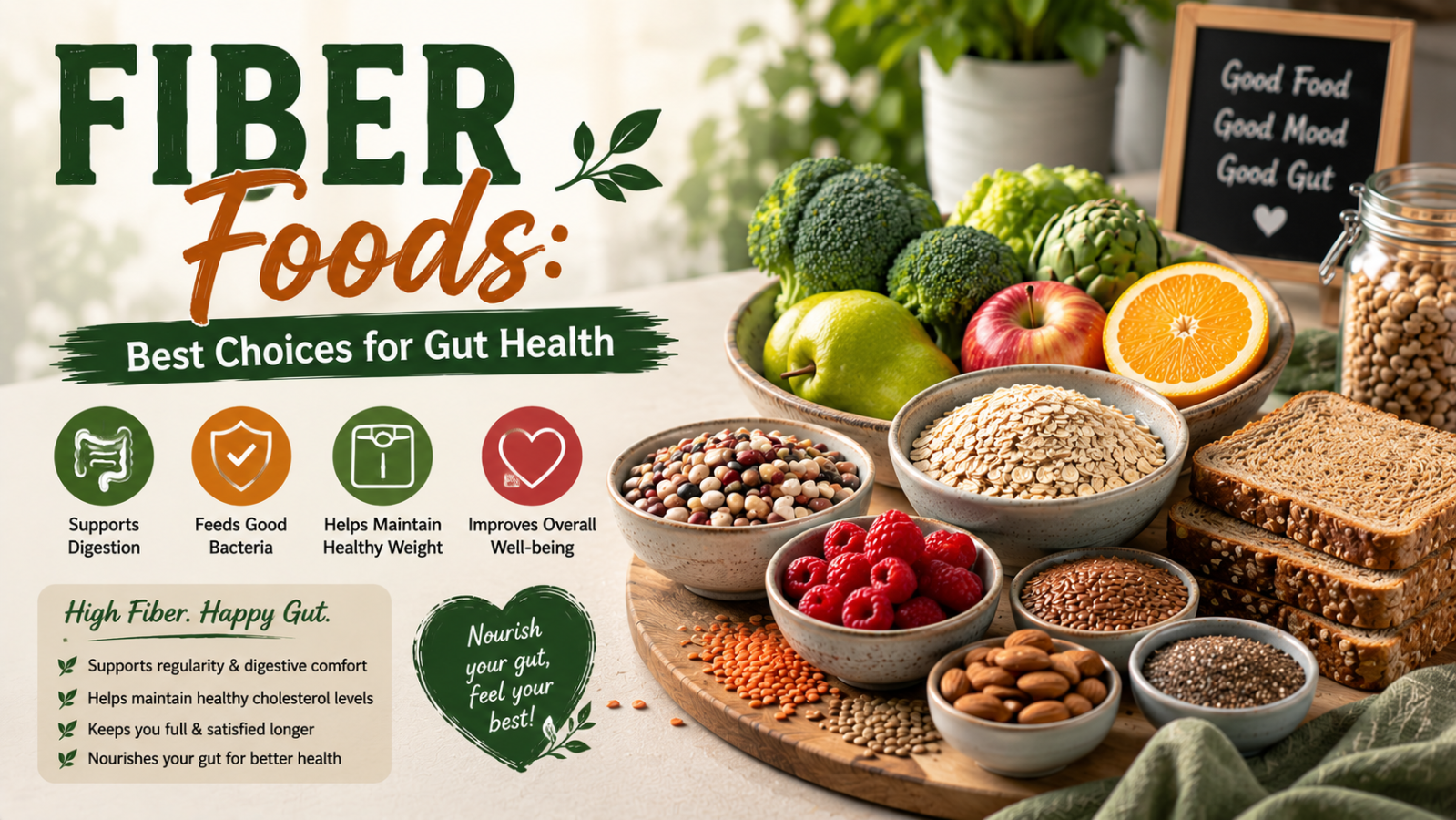
Fiber foods can make everyday meals more satisfying while supporting regular bowel movements and a healthy digestive system. From beans and berries to oats, vegetables, nuts, and whole grains, there are plenty of easy options to choose from.
The trick is to build fiber into your meals gradually instead of trying to overhaul your diet overnight.
If you find a tip you want to save, the Copy Button makes it easy to copy and share useful food ideas for your next grocery trip.
Quick Answer: What Are the Best Fiber Foods?
The best fiber foods include beans, lentils, peas, oats, barley, berries, apples, pears, vegetables, nuts, seeds, and whole grains. These foods provide different types of dietary fiber, so eating a variety can support regular digestion and overall gut health.
For most people, whole foods are the simplest place to start. However, if you’re not used to eating much fiber, increase your intake slowly and drink enough fluids to help your digestive system adjust.
Why Fiber Foods Matter for Your Digestive System
Fiber is a type of carbohydrate that your body doesn’t fully digest. Instead, different types of fiber move through the digestive tract in different ways.
Some fiber helps add bulk to stool. Other types dissolve in water and can be fermented by gut bacteria. As a result, fiber can influence bowel regularity, stool consistency, and the environment inside the colon.
That’s why fiber isn’t just about avoiding constipation. A fiber-rich eating pattern can also provide vitamins, minerals, antioxidants, and other plant compounds.
Fiber Foods to Add to Breakfast
Breakfast is an easy place to increase your fiber intake without making meals complicated.
Oatmeal
Oats contain soluble fiber, including beta-glucan, which forms a soft gel when mixed with water. Try topping oatmeal with berries, chia seeds, walnuts, or sliced fruit.
Berries
Raspberries, blackberries, strawberries, and blueberries provide fiber along with plant compounds. Add them to oatmeal, plain yogurt, or a smoothie.
Chia Seeds
Chia seeds are small but fiber-rich. When soaked in liquid, they develop a gel-like texture, making them useful in overnight oats or chia pudding.
Start with a modest portion if you’re not accustomed to seeds. A sudden increase can cause digestive discomfort.
Whole-Grain Toast
Whole-grain toast can replace refined white bread at breakfast. Pair it with eggs, avocado, nut butter, or another protein source for a more balanced meal.
Fiber Foods for Lunch and Dinner
You don’t need to build every meal around a giant salad. Instead, add one or two fiber-rich ingredients to meals you already enjoy.
Beans
Black beans, kidney beans, navy beans, and chickpeas are excellent sources of fiber. They also provide plant-based protein and can make meals more filling.
Add them to chili, tacos, grain bowls, soups, or salads.
Lentils
Lentils cook quickly and work well in soups, curries, salads, and simple grain dishes. They also provide protein, iron, and other nutrients.
If legumes tend to cause gas, start with a smaller serving and increase it slowly.
Broccoli
Broccoli provides fiber and several important nutrients. Roasting or steaming it can make it easier to incorporate into meals.
Sweet Potatoes
Sweet potatoes provide fiber, particularly when you eat the skin. Roast them as a side dish or add them to bowls with beans and vegetables.
Barley
Barley is a whole grain that provides soluble fiber and works particularly well in soups and grain bowls. It has a chewy texture that can make simple meals more satisfying.
High-Fiber Fruits Worth Keeping Around
Fruit can be an easy way to increase fiber while adding natural sweetness to your diet.
Apples
Apples contain fiber, including pectin. Keeping the skin on adds more fiber, provided you tolerate the skin comfortably.
Pears
Pears are another convenient source of fiber. They’re easy to carry as a snack and can also be sliced over oatmeal or yogurt.
Raspberries
Raspberries are especially useful when you’re looking for a fiber-rich fruit. Toss them into breakfast bowls or enjoy them as a simple snack.
Kiwi
Kiwi provides fiber and can be an easy addition to breakfast or a snack. Some people also find kiwi helpful for maintaining regular bowel habits.
Oranges
Whole oranges provide fiber that you won’t get in the same way from orange juice. Therefore, choose the whole fruit when you’re looking for a fiber-rich option.
Fiber Foods for Better Regularity
If constipation is your main concern, fiber can be an important part of the solution.
Insoluble fiber adds bulk to stool, while certain soluble fibers hold water and can help create a softer stool texture. Both types occur naturally in plant foods.
For example, a meal containing oats, berries, chia seeds, and yogurt gives you several sources of fiber and other nutrients.
Still, fiber isn’t a magic fix. If constipation continues, becomes severe, or comes with other concerning symptoms, talk with a healthcare professional.
Soluble and Insoluble Fiber Foods
Fiber is often divided into soluble and insoluble categories.
Soluble fiber dissolves or swells in water. Oats, barley, beans, lentils, apples, and some other plant foods provide it.
Insoluble fiber doesn’t dissolve in water. Whole grains, many vegetables, nuts, and seeds provide varying amounts.
Most plant foods contain a mixture of fiber types. So, there’s little reason to obsess over getting a precise amount of each one.
Instead, eat a variety of plants throughout the week.
Fiber Foods and the Gut Microbiome
Your gut contains trillions of microorganisms, and some of them use certain types of dietary fiber as fuel.
When gut bacteria ferment fiber, they can produce short-chain fatty acids and other compounds. These substances interact with the intestinal environment and are an active area of nutrition research.
This is another reason variety matters.
Rather than eating the same high-fiber food every day, rotate your choices. Try oats at breakfast, lentils at lunch, vegetables at dinner, and fruit or nuts as snacks.
That approach gives your diet a broader mix of fibers and plant compounds.
How Much Fiber Do You Need?
Fiber needs vary based on age, sex, and calorie needs. The National Institutes of Health notes that dietary guidelines commonly recommend adults consume around 14 grams of fiber per 1,000 calories.
For many adults, that works out to roughly 25 to 34 grams per day.
You don’t need to hit the number perfectly every day. Instead, look at your overall eating pattern.
If your current diet is low in fiber, jumping immediately to a very high intake can lead to gas, bloating, or abdominal discomfort.
A gradual increase is usually more comfortable.
How to Increase Fiber Without Feeling Bloated
This is where many people make a simple mistake: they increase fiber too quickly.
For example, someone might suddenly start eating beans, bran cereal, large salads, chia seeds, and several servings of fruit every day. That’s a major change for the digestive system.
Instead, try one adjustment at a time.
You could add berries to breakfast for a week. Then add beans to lunch. Later, switch from refined grains to whole grains.
Also, drink fluids regularly. Fiber needs water to work properly, particularly when you’re increasing your intake.
If you notice persistent bloating after specific foods, keep a simple food-and-symptom record. It may help you identify patterns.
Easy High-Fiber Meal Ideas
Eating more fiber doesn’t have to mean complicated recipes.
Breakfast: Oatmeal with raspberries, chia seeds, and walnuts.
Lunch: Lentil soup with whole-grain toast and a side salad.
Snack: Apple slices with peanut butter.
Dinner: Black bean tacos with vegetables, avocado, and a whole-grain tortilla.
Simple dessert: Plain yogurt topped with berries and chopped nuts.
These meals combine fiber sources rather than relying on one food.
Fiber Foods for People Who Don’t Like Vegetables
Not everyone enjoys a giant plate of steamed vegetables. Fortunately, vegetables aren’t your only option.
Start with fruits, oats, beans, lentils, nuts, seeds, whole-grain bread, brown rice, or barley.
You can also make vegetables more appealing by changing how you cook them. Roasting carrots or sweet potatoes creates a different texture and flavor than boiling them.
I find that small changes are easier to maintain than forcing yourself to eat foods you genuinely dislike. The goal is a sustainable eating pattern, not a perfect menu.
Common Mistakes When Eating More Fiber
Increasing Fiber Too Fast
Your digestive system may need time to adapt. Gradual changes can help reduce gas and discomfort.
Relying on Fiber Supplements
Supplements can have a place in certain situations, but whole foods provide much more than isolated fiber. They also bring vitamins, minerals, and plant compounds.
Forgetting Fluids
Increasing fiber while drinking very little can make bowel movements uncomfortable. Keep water and other suitable fluids part of your daily routine.
Eating Only One Type of Fiber
Don’t rely entirely on bran, oatmeal, or one particular fruit. Variety gives you different types of fiber.
Ignoring Your Individual Tolerance
Some high-fiber foods may cause more gas or bloating than others. Portion size matters, too.
A Practical 7-Day Fiber Foods Strategy
You don’t need a strict diet plan. Instead, try adding one fiber-rich choice each day.
Day 1: Add berries to breakfast.
Day 2: Choose whole-grain bread instead of refined bread.
Day 3: Add lentils or beans to lunch.
Day 4: Eat a whole piece of fruit as a snack.
Day 5: Add nuts or seeds to oatmeal or yogurt.
Day 6: Include a vegetable with lunch and dinner.
Day 7: Try a whole grain such as barley or brown rice.
After a week, you can keep the changes that fit naturally into your routine.
Frequently Asked Questions About Fiber Foods
What foods are highest in fiber?
Beans, lentils, peas, berries, oats, barley, chia seeds, flaxseeds, nuts, vegetables, and whole grains are all useful sources of dietary fiber.
What fiber foods help with constipation?
Foods containing both soluble and insoluble fiber can support regular bowel movements. Oats, beans, lentils, fruits, vegetables, whole grains, and seeds are practical choices.
Can fiber foods cause gas?
Yes. Increasing fiber quickly can cause gas and bloating. Start with smaller portions and increase your intake gradually.
Are fruits good fiber foods?
Absolutely. Whole fruits such as berries, apples, pears, oranges, and kiwi provide fiber along with other nutrients. Whole fruit generally provides more fiber than fruit juice.
Should I eat fiber every day?
Yes. Fiber is an important part of a balanced eating pattern. Try to get it from a variety of plant foods rather than relying on a single source.
The Bottom Line on Fiber Foods
Fiber foods can support regular digestion while adding important nutrients and plant compounds to your diet. Beans, lentils, oats, berries, vegetables, whole grains, nuts, and seeds are all practical choices.
The best strategy is simple: add fiber gradually, drink enough fluids, and keep your food choices varied. You don’t need a perfect diet or complicated recipes to make a meaningful improvement.
If you want to save your favorite ideas from this guide, use the Copy Button to quickly copy and share the fiber foods that fit your routine.

Elizabeth Boham is a respected functional medicine physician and wellness educator with a passion for helping people improve their health through nutrition and lifestyle changes. As a contributor to Gutrova, she shares practical insights on gut health, digestive wellness, and healthy living, making complex health topics easy to understand and apply in everyday life.