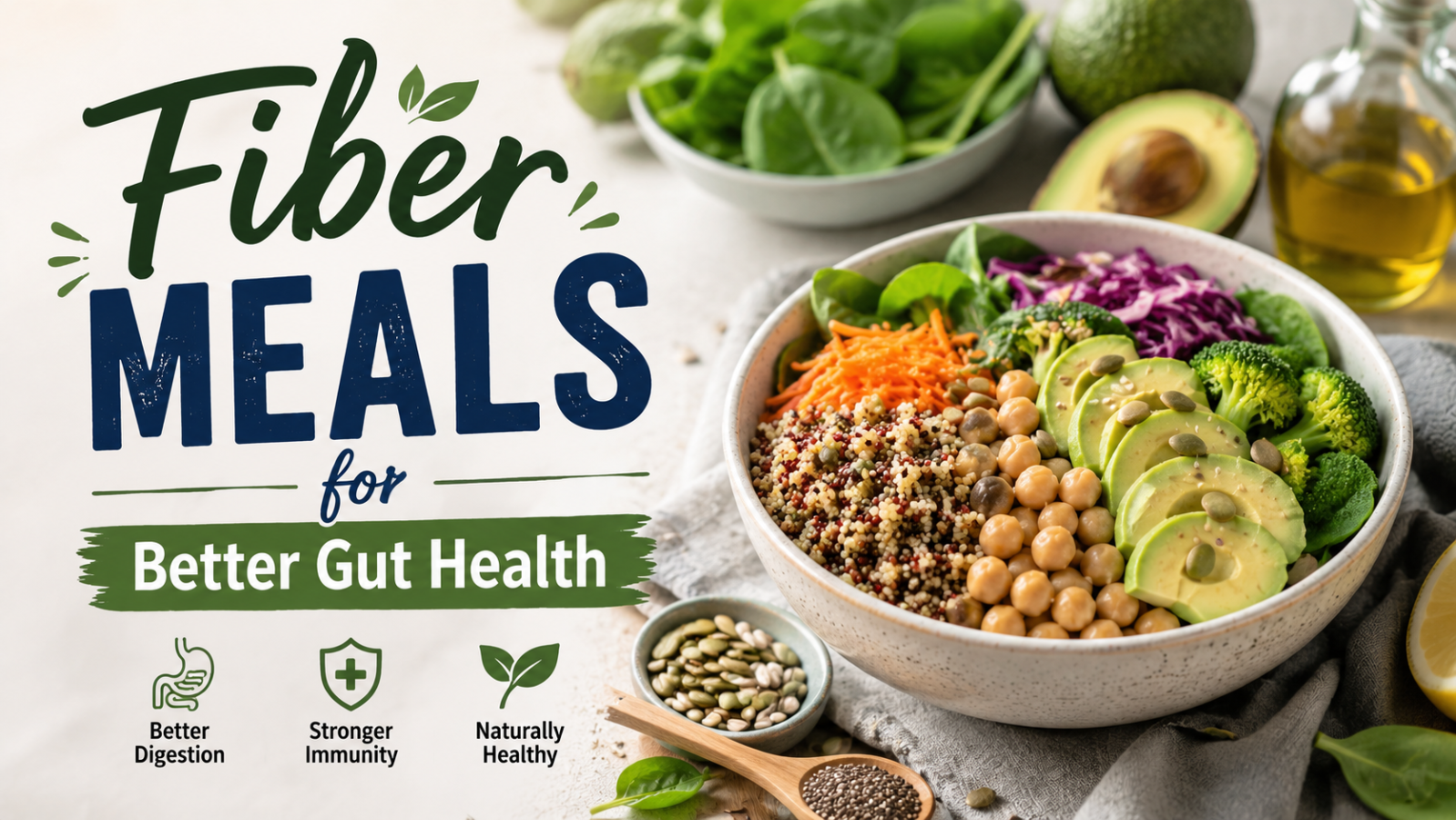
Fiber meals can make it much easier to eat more fiber without turning your daily diet into a complicated nutrition project. The best meals combine vegetables, fruits, beans, lentils, whole grains, nuts, or seeds in combinations that taste good and fit your normal schedule.
If you’ve ever planned a healthy dinner only to end up ordering takeout because the recipe took too long, you know how important convenience can be. Our Copy Button lets you instantly save and share favorite gut health tips, meal ideas, and practical food combinations.
Quick Answer
Fiber meals are balanced dishes that include several fiber rich plant foods, such as beans, lentils, vegetables, fruits, whole grains, nuts, and seeds. A simple meal might combine oatmeal with berries and chia seeds, or brown rice with black beans, vegetables, and avocado.
The easiest approach is to spread fiber across the day rather than trying to consume most of it at one meal. For many adults, general nutrition guidance suggests roughly 25 to 38 grams of fiber per day, although individual needs vary.
If your current diet is low in fiber, increase your intake gradually. Drinking fluids regularly can also help your digestive system adjust more comfortably.
Why Fiber Meals Work So Well
Fiber does more than help keep meals filling. Different types of dietary fiber interact with the digestive system in different ways.
Some fiber adds bulk to stool, while other types absorb water or form a gel like substance during digestion. Certain fibers also become food for gut microbes in the colon.
That last part is especially interesting. Gut bacteria can ferment some fibers and produce short chain fatty acids, compounds involved in several areas of intestinal health.
You don’t need to understand the chemistry to benefit from it. Simply eating a wider range of plant foods gives your digestive system and gut microbes more variety to work with.
Easy Fiber Meals for Breakfast
Breakfast can be one of the easiest places to build a fiber rich habit. Oats, fruit, seeds, and whole grain foods require little effort and work with many different flavors.
Try these combinations when you need something practical.
- Cooked oatmeal with blueberries, chia seeds, and walnuts.
- Overnight oats with strawberries, banana, and ground flaxseed.
- Whole grain toast with avocado and a side of berries.
- Plain yogurt with raspberries, oats, and chia seeds.
- A smoothie with berries, banana, spinach, oats, and ground flaxseed.
- Whole grain cereal topped with sliced pear and walnuts.
- Apple slices with peanut butter alongside a bowl of oatmeal.
- A breakfast bowl with quinoa, berries, cinnamon, and chopped nuts.
If mornings are rushed, prepare overnight oats the evening before. I’ve found that having breakfast ready in the refrigerator removes one of the easiest excuses for skipping a balanced meal.
Fiber Meals for Busy Lunches
Lunch often needs to be fast, portable, and filling. Fortunately, some of the easiest lunch combinations also happen to provide plenty of plant based fiber.
A grain bowl is a particularly flexible option. Start with brown rice, quinoa, or another whole grain. Then add beans, vegetables, avocado, and a simple dressing.
You can also make a fiber rich wrap using a whole grain tortilla, hummus, leafy greens, shredded carrots, cucumber, and a protein you enjoy.
Try these ideas.
- Black bean and corn grain bowl with avocado and salsa.
- Lentil soup with a side salad and whole grain bread.
- Chickpea salad with cucumber, tomatoes, greens, and olive oil.
- Hummus wrap with spinach, carrots, peppers, and avocado.
- Quinoa bowl with roasted vegetables and chickpeas.
- Bean and vegetable chili with a small side of fruit.
- Whole grain sandwich with vegetables and a side of apple slices.
Keep canned beans and prewashed greens available for busy days. As a result, a nutritious lunch can take minutes instead of requiring a full cooking session.
Fiber Meals for Satisfying Dinners
Dinner is where you can combine several fiber sources without making the plate feel like a nutrition assignment.
For example, roasted sweet potatoes pair beautifully with black beans, sautéed greens, and avocado. A simple lentil curry can also work over brown rice with steamed vegetables.
You don’t need to eliminate foods you already enjoy. Instead, look for easy ways to add plant foods to familiar meals.
- Black bean tacos with cabbage, tomatoes, avocado, and salsa.
- Lentil curry served with brown rice and roasted vegetables.
- Baked sweet potato topped with chickpeas and plain yogurt.
- Vegetable and bean chili with whole grain crackers.
- Brown rice stir fry with broccoli, peas, carrots, and tofu.
- Whole grain pasta with lentils, tomato sauce, spinach, and mushrooms.
- Barley and vegetable soup with a side of fruit.
- Quinoa stuffed peppers with black beans, corn, and vegetables.
Similarly, frozen vegetables can make dinner much easier. They are convenient, require little preparation, and can quickly become part of stir fries, soups, bowls, and pasta dishes.
Fiber Meals for Plant Based Eating
You don’t have to follow a vegetarian or vegan diet to enjoy fiber rich meals. However, plant based eating can make it easier to include a wide range of legumes, whole grains, vegetables, fruits, nuts, and seeds.
Beans and lentils are particularly useful because they provide both fiber and plant protein. Chickpeas also work well in salads, curries, hummus, and roasted snacks.
A simple plant focused dinner might include lentils, quinoa, roasted broccoli, carrots, and tahini dressing. Another option is a chickpea grain bowl with brown rice, spinach, cucumber, tomatoes, and avocado.
Variety matters here. Rotating your ingredients throughout the week is more useful than relying on one favorite food every day.
Quick Fiber Meals and Snacks
Not every meal needs to come from a recipe. Some of the most useful combinations take less than five minutes.
Keep a few fiber rich ingredients within easy reach. That way, you’re less likely to reach for a highly processed snack simply because it’s convenient.
Here are some quick options.
- Apple with peanut butter.
- Pear with a small handful of almonds.
- Berries with plain yogurt and chia seeds.
- Hummus with carrots and whole grain crackers.
- Air popped popcorn with nuts.
- Banana with almond butter and ground flaxseed.
- Whole grain toast with avocado.
- Roasted chickpeas with fresh fruit.
- Chia pudding topped with berries.
- Oatmeal with sliced banana and walnuts.
These combinations can work particularly well between meals. They also make it easier to distribute fiber throughout the day.
Fiber Meals for Sensitive Digestion
More fiber isn’t always better when you increase it too quickly. Someone who normally eats little fiber may feel bloated after suddenly adding large portions of beans, lentils, bran, or raw vegetables.
Start smaller instead. A half serving of beans may be easier to tolerate than a large bowl, especially when you’re still adjusting.
Cooked vegetables may also feel more comfortable than large amounts of raw produce for some people. Meanwhile, oats, bananas, cooked carrots, and other foods can provide gentler options for certain diets.
Pay attention to your own response. If a particular food repeatedly causes discomfort, try a smaller amount or choose another source of fiber.
Persistent or significant digestive symptoms deserve individual attention rather than an endless cycle of eliminating foods.
How to Build Balanced Fiber Meals
A useful way to construct a meal is to think about several components rather than focusing on fiber alone.
Start with a whole grain or starchy plant food. Add a protein source, then include one or two vegetables. Finish with fruit, nuts, seeds, or another plant food if the meal needs more variety.
For example, consider a simple lunch of quinoa, grilled chicken, roasted broccoli, chickpeas, avocado, and berries. You don’t need every component at every meal, but the example shows how several food groups can work together.
Another easy combination is oatmeal, Greek yogurt, blueberries, chia seeds, and walnuts. It provides protein, carbohydrates, healthy fats, and several sources of fiber.
The goal is a meal you would actually want to eat again.
Fiber Meals on a Budget
Eating more fiber doesn’t have to increase your grocery bill dramatically. Some of the most useful fiber rich foods are affordable staples.
Dried beans, lentils, oats, brown rice, potatoes, frozen vegetables, apples, bananas, and canned chickpeas can all stretch across several meals.
For example, a pot of lentil soup can provide multiple servings. Cooked brown rice can become the base for bowls, stir fries, and leftovers.
Frozen berries can also be useful when fresh fruit becomes expensive. Similarly, store brands often offer affordable versions of whole grains, beans, and oats.
Plan around ingredients that can appear in several meals. That reduces waste and makes healthy eating more convenient.
Mistakes That Can Make Fiber Meals Uncomfortable
The biggest mistake is often doing too much too soon. Suddenly adding a large amount of fiber can cause gas, bloating, or changes in bowel habits.
Another issue is forgetting fluids. Fiber interacts with water in the digestive tract, so regular fluid intake matters as your fiber consumption increases.
Some people also make meals overly complicated. You don’t need ten ingredients to create a useful fiber rich plate.
Finally, don’t judge a food based on one meal. If beans bother you after a huge serving, try a smaller portion another day. Your digestive system may respond differently to gradual changes.
How to Plan Fiber Meals for the Week
A little planning can make fiber rich eating much easier.
Choose two breakfast options, two lunches, and three dinners for the week. Then buy overlapping ingredients so nothing sits forgotten in the refrigerator.
For example, cooked quinoa can work in lunch bowls and dinner stuffed peppers. Black beans can appear in tacos one night and a salad the next day.
Keep fruit visible on the counter and store prepared vegetables at eye level in the refrigerator. These small environmental changes can make healthy choices feel almost automatic.
You can also prepare one batch of grains and one batch of legumes on the weekend. Then assemble meals rather than cooking from scratch every night.
Frequently Asked Questions About Fiber Meals
What is a good high fiber meal
A good high fiber meal can include a whole grain, legumes, vegetables, fruit, nuts, or seeds. For example, a brown rice bowl with black beans, broccoli, avocado, and salsa is a simple option.
How can I get more fiber at breakfast
Start with oatmeal, berries, chia seeds, ground flaxseed, whole grain toast, or fruit. Adding one or two of these foods to your usual breakfast can increase fiber without completely changing your routine.
Can fiber meals cause bloating
They can, particularly when fiber intake rises quickly. Beans, lentils, certain vegetables, and other fermentable fibers may increase gas. Gradual changes can make the transition easier.
Are fiber meals good for gut bacteria
Some dietary fibers are fermented by gut microbes and can contribute to short chain fatty acid production. Eating a variety of plant foods provides different types of fiber for the gut microbiome.
How much fiber should I aim for each day
General guidance for adults often falls around 25 to 38 grams per day, although individual needs vary. Your age, sex, dietary pattern, and overall health can affect your needs.
Conclusion
Fiber meals don’t need to be complicated, expensive, or boring. Oatmeal with berries, a black bean grain bowl, lentil soup, vegetable chili, or an apple with peanut butter can all fit naturally into an everyday eating pattern.
Start with meals you already enjoy. Then add beans, whole grains, fruits, vegetables, nuts, or seeds in ways that make sense for your routine. If you’re increasing fiber from a low starting point, go gradually and give your digestive system time to adjust.
When you find combinations you genuinely enjoy, use the Copy Button to save them and share your favorite fiber meals with friends or family. The best gut friendly routine is one you can keep making long after the first week.

Elizabeth Boham is a respected functional medicine physician and wellness educator with a passion for helping people improve their health through nutrition and lifestyle changes. As a contributor to Gutrova, she shares practical insights on gut health, digestive wellness, and healthy living, making complex health topics easy to understand and apply in everyday life.