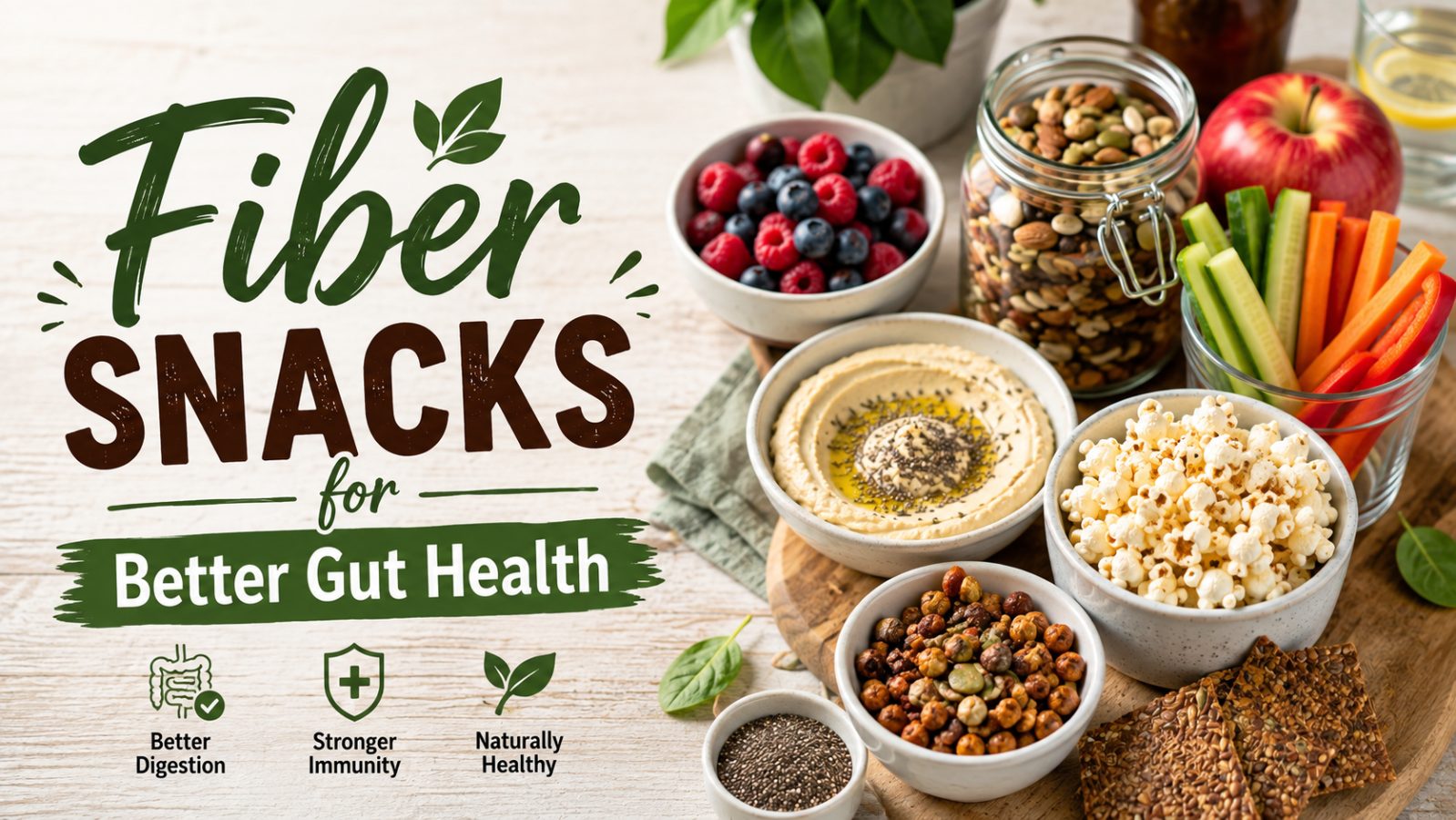
Fiber snacks can turn an ordinary afternoon into an easy opportunity to add more plant foods to your diet. Instead of reaching for a highly processed snack every time hunger hits, you can keep simple options nearby that provide fiber along with other useful nutrients.
The best choices don’t need to be complicated. Our Copy Button makes it easy to save your favorite gut health tips and instantly copy or share snack ideas with friends and family.
Quick Answer
Fiber snacks are small foods or combinations that provide dietary fiber from sources such as fruits, vegetables, beans, whole grains, nuts, seeds, and legumes.
Good options include apples with peanut butter, berries with yogurt and chia seeds, hummus with vegetables, roasted chickpeas, air popped popcorn, pears with almonds, and whole grain toast with avocado.
If your current fiber intake is low, start gradually. Adding several large servings at once may cause gas or bloating, so give your digestive system time to adjust.
Why Fiber Snacks Matter
Snacks may seem like a minor part of your diet, but they can make a meaningful difference in your overall eating pattern. A fiber rich snack can help bridge the gap between meals while adding plant foods to your day.
Fiber also comes in different forms. Some types help add bulk to stool, while others absorb water or become food for gut microbes.
That means a snack doesn’t need to contain a huge amount of fiber to be useful. A piece of fruit paired with nuts, for example, can add fiber while also providing healthy fats and a more satisfying combination.
Easy Fiber Snacks for Work and School
The best snack is often the one you can actually take with you. Portable foods remove the temptation to rely on whatever happens to be available at the vending machine or convenience store.
Try keeping a few shelf stable options in a desk drawer, backpack, or kitchen cabinet.
- Apple with peanut butter.
- Pear with almonds.
- Whole grain crackers with hummus.
- Roasted chickpeas.
- Air popped popcorn.
- Trail mix with nuts, seeds, and dried fruit.
- Whole grain toast with nut butter.
- Fresh berries in a small container.
- Banana with almond butter.
- Unsweetened dried fruit with walnuts.
For school snacks, keep portions practical and choose foods that travel well. If refrigeration is available, yogurt with berries and chia seeds is another easy option.
High Fiber Snacks With Fresh Fruit
Fruit is one of the easiest ways to add fiber without cooking. It also provides water, vitamins, minerals, and naturally occurring plant compounds.
Whole fruit is generally more useful for fiber than fruit juice because the juice removes much of the original fiber.
Some easy combinations include:
- Apple slices with peanut butter.
- Pear with a handful of walnuts.
- Raspberries with plain yogurt.
- Blackberries with cottage cheese.
- Orange with almonds.
- Banana with ground flaxseed mixed into yogurt.
- Kiwi with chia pudding.
- Fresh berries with oats and plain yogurt.
I often recommend keeping fruit where you can see it. A bowl of apples on the counter tends to get eaten more quickly than fruit hidden in the back of the refrigerator.
Fiber Snacks With Nuts and Seeds
Nuts and seeds can make snacks more satisfying because they combine fiber with healthy fats and other nutrients.
Almonds, walnuts, pistachios, chia seeds, pumpkin seeds, and ground flaxseed can all fit into a balanced eating pattern.
You can eat a small handful of nuts by themselves, or pair them with fruit for more variety. Seeds can also be stirred into yogurt, oatmeal, smoothies, or chia pudding.
However, portion size still matters. Nuts are nutrient dense, so a modest serving can be plenty for a snack.
Fiber Snacks for Busy Mornings
Some mornings are simply chaotic. There may not be enough time to cook, sit down, and eat slowly.
That’s where prepared snacks can help.
Make overnight oats the night before and divide them into small containers. Another option is to prepare chia pudding and add berries before leaving home.
You can also keep bananas, apples, whole grain crackers, or individual portions of nuts ready to grab.
For especially busy mornings, combine two foods rather than relying on one. An apple with peanut butter or a banana with almonds can be more satisfying than fruit alone.
Savory Fiber Snacks
Not everyone wants something sweet between meals. Fortunately, vegetables, legumes, and whole grains can create plenty of savory options.
Hummus with carrots and cucumber is an easy combination. Roasted chickpeas provide a crunchy alternative to chips, while air popped popcorn can satisfy the urge for something salty and crunchy.
Try these ideas:
- Carrot sticks with hummus.
- Cucumber slices with avocado.
- Roasted chickpeas with mild spices.
- Air popped popcorn with herbs.
- Whole grain crackers with bean dip.
- Bell pepper strips with hummus.
- Avocado on whole grain toast.
- Edamame with a light seasoning.
If you enjoy savory snacks, keep vegetables washed and cut in the refrigerator. Preparation makes a surprisingly big difference when hunger arrives.
Fiber Snacks Before or After Exercise
Your snack needs can change around physical activity. A small snack may be useful before exercise if you’re hungry, while a post workout option can combine carbohydrates with protein.
A banana with nut butter can work well for some people before a workout. Afterward, yogurt with berries and chia seeds can provide carbohydrates, protein, and fiber.
However, very high fiber foods may not feel comfortable immediately before intense exercise. Large servings of beans, raw vegetables, or bran may cause digestive discomfort for some people.
Experiment during ordinary workouts rather than trying a brand new snack before an important event.
Fiber Snacks for Sensitive Stomachs
More fiber isn’t automatically better if your digestive system isn’t accustomed to it. A sudden increase can cause gas, bloating, or changes in bowel habits.
If you’re sensitive to large amounts of fiber, start with smaller servings. Cooked vegetables may feel easier than a large raw salad, and a small portion of oats may be more comfortable than a huge bran based snack.
Pay attention to patterns rather than blaming fiber as a whole. If one food bothers you, try another source.
For example, someone who doesn’t tolerate a large serving of beans might find fruit, oats, chia seeds, or whole grain foods easier to incorporate.
Fiber Snacks for Weight Management
Fiber can help make snacks more satisfying, which may be useful when you’re trying to manage overall food intake.
However, no individual snack guarantees weight loss. The bigger picture includes your total diet, activity, sleep, eating habits, and personal needs.
A useful combination is fiber plus protein or healthy fat. Apple with peanut butter, berries with Greek yogurt, or whole grain crackers with hummus can keep a snack more substantial.
Instead of asking which snack has the fewest calories, ask whether it will actually satisfy you until your next meal.
Budget Friendly Fiber Snacks
Healthy snacks don’t have to be expensive. Some of the most useful options are inexpensive grocery staples.
Oats, bananas, apples, popcorn kernels, carrots, beans, lentils, peanut butter, and sunflower seeds can all stretch across multiple meals and snacks.
Buy seasonal fruit when possible. Frozen berries can also be useful when fresh berries become expensive.
For a simple budget friendly snack, combine an apple with peanut butter. Another option is homemade popcorn paired with a small serving of nuts.
Planning ahead reduces the need for expensive convenience foods.
How to Prepare Fiber Snacks for the Week
A few minutes of preparation can make the rest of the week easier.
Wash fruit when you bring it home. Cut carrots and peppers into snack sized pieces. Portion nuts into small containers instead of eating directly from the bag.
You can also prepare a batch of roasted chickpeas or homemade trail mix. Store everything where it’s easy to see and grab.
Meanwhile, keep some emergency options in your desk, car, or work bag. Shelf stable snacks can prevent hunger from turning into an unplanned fast food stop.
The goal isn’t perfect meal prep. It’s simply making a better choice easier.
Common Fiber Snack Mistakes
One common mistake is increasing fiber too quickly. If your normal diet contains little fiber, several large fiber rich snacks in one day may cause digestive discomfort.
Another mistake is choosing packaged products solely because they advertise added fiber. A product can contain fiber and still be highly processed or high in added sugar.
Instead, build your snack routine around whole or minimally processed foods whenever practical.
Finally, don’t forget fluids. Drinking regularly throughout the day can support comfortable digestion as you increase your fiber intake.
Frequently Asked Questions About Fiber Snacks
What are the best fiber snacks
Fruit, nuts, seeds, hummus with vegetables, roasted chickpeas, whole grain crackers, oatmeal, chia pudding, and air popped popcorn are all practical options.
Which fruit makes a good high fiber snack
Berries, pears, apples, kiwi, and bananas can all fit into a fiber rich snack routine. Keeping several fruits in rotation also adds variety.
Can fiber snacks cause bloating
They can, especially when you increase fiber suddenly. Large servings of beans, legumes, certain vegetables, and other fermentable foods may cause gas in some people.
Are fiber snacks good for gut health
Fiber can support normal digestion, and certain fibers are fermented by gut microbes. A varied diet containing different plant foods gives your gut microbiome access to multiple fiber sources.
How can I eat more fiber without changing my meals
Start with snacks. Add fruit, nuts, seeds, hummus with vegetables, or whole grain foods between meals. This can gradually increase your overall fiber intake without requiring a complete diet change.
Conclusion
Fiber snacks are an easy way to bring more plant foods into your everyday routine. You don’t need elaborate recipes or expensive products. An apple with peanut butter, berries with yogurt, hummus with vegetables, or a handful of nuts can be enough to make your snack work harder nutritionally.
Start with foods you already enjoy, then experiment with new combinations. If your current fiber intake is low, increase gradually and give your digestive system time to adapt.
When you find combinations that work for you, use the Copy Button to save and share your favorite fiber snacks. A good snack isn’t just something that stops hunger. It can also become one small, repeatable habit that supports a more balanced gut friendly diet.

Elizabeth Boham is a respected functional medicine physician and wellness educator with a passion for helping people improve their health through nutrition and lifestyle changes. As a contributor to Gutrova, she shares practical insights on gut health, digestive wellness, and healthy living, making complex health topics easy to understand and apply in everyday life.