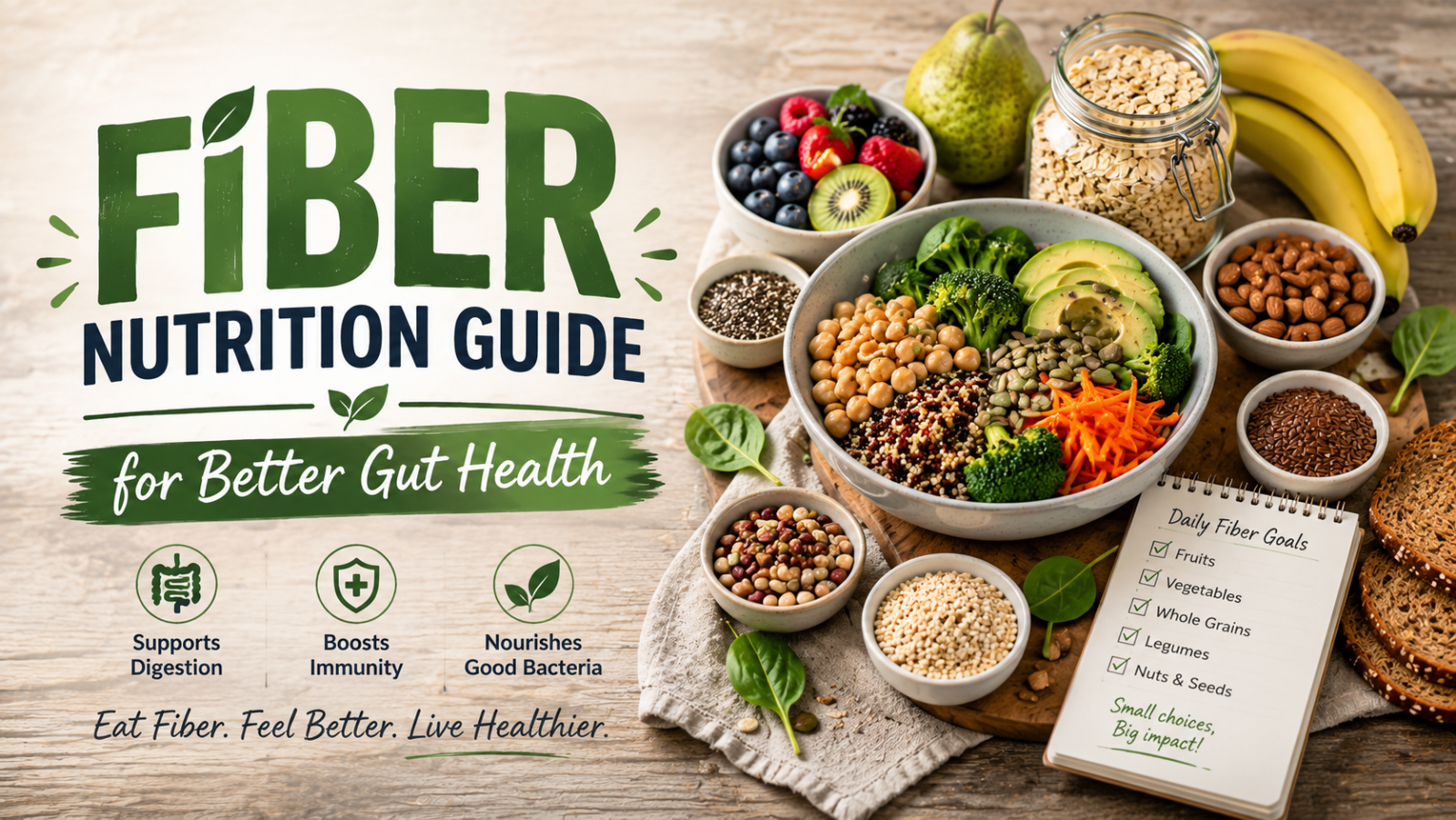
Fiber nutrition is about more than reaching a daily number. It means understanding how fiber from fruits, vegetables, beans, whole grains, nuts, and seeds fits into your meals and supports normal digestion.
A practical approach matters because nobody eats perfectly every day. Our Copy Button makes it easy to save useful gut health tips and instantly copy or share the ideas that fit your routine.
Quick Answer
Fiber nutrition refers to the role dietary fiber plays in a balanced eating pattern. Fiber comes mainly from plant foods and can support regular bowel movements, digestive function, fullness, and a healthy gut microbiome.
Adults are generally encouraged to get about 25 to 38 grams of fiber per day, although individual needs vary. The easiest way to get enough is to eat a variety of fruits, vegetables, legumes, whole grains, nuts, and seeds.
If you’re currently eating little fiber, increase your intake slowly. Your digestive system may need time to adjust, especially if you suddenly add large portions of beans, lentils, or high fiber grains.
What Fiber Nutrition Actually Means
Fiber is a type of carbohydrate that your body doesn’t completely digest. Instead, it travels through the digestive tract and interacts with your digestive system in several ways.
Some fibers add bulk to stool. Others absorb water or form a gel like substance. Certain fibers can also be fermented by gut microbes.
That variety explains why nutrition experts don’t usually focus on one fiber rich food. A diet that includes oats, beans, berries, vegetables, seeds, and whole grains gives you a broader mix.
Fiber also changes the texture and staying power of meals. A bowl of oatmeal with berries and walnuts tends to be more satisfying than a breakfast made mostly from refined grains.
Fiber Nutrition and the Gut Microbiome
Your gut microbiome is influenced by many factors, including the foods that regularly reach your digestive tract.
Certain types of fiber serve as fuel for gut bacteria. During fermentation, microbes can produce short chain fatty acids that researchers study for their role in intestinal and metabolic health.
However, you don’t need a complicated microbiome diet to support this process. Instead, focus on plant variety.
For example, eat oats on one morning, lentils at lunch another day, berries as a snack, and vegetables with dinner. Over time, these small choices create a much broader range of fiber sources.
Best Foods for Fiber Nutrition
The grocery store already has most of what you need. You don’t need expensive powders or unusual ingredients to improve your fiber intake.
Legumes, whole grains, fruits, vegetables, nuts, and seeds are the main groups worth exploring.
Good choices include:
- Oatmeal.
- Barley.
- Brown rice.
- Whole grain bread.
- Black beans.
- Lentils.
- Chickpeas.
- Split peas.
- Raspberries.
- Blackberries.
- Apples.
- Pears.
- Broccoli.
- Sweet potatoes.
- Chia seeds.
- Ground flaxseed.
- Almonds.
- Walnuts.
- Green peas.
- Avocado.
Try rotating these foods instead of eating the same few choices every day. Variety makes your diet more interesting and gives you access to different types of fiber and nutrients.
Fiber Nutrition for Regular Bowel Habits
One of fiber’s most familiar roles is supporting regular bowel movements. Fiber can affect stool bulk and consistency, which can help keep digestion moving normally.
Insoluble fiber adds bulk to stool. It occurs in foods such as many vegetables, whole grains, nuts, and seeds.
Soluble fiber interacts with water and can form a gel like substance. Oats, beans, lentils, apples, and several other plant foods contain soluble fiber.
Most high fiber foods contain a mixture of fiber types. Therefore, you don’t need to perfectly separate foods into categories.
If you’re trying to improve bowel regularity, make gradual changes. Adding a large amount of fiber overnight may create more discomfort rather than immediate relief.
How Much Fiber Nutrition Do You Need
General nutrition guidance often places adult fiber needs around 25 to 38 grams per day. The exact amount can vary with age, sex, and individual dietary needs.
That number can sound intimidating if you don’t currently track fiber. Fortunately, you don’t need to count every gram forever.
Start by looking at your plate. Is there a fruit, vegetable, legume, or whole grain present? If not, adding one can be a simple first step.
For example, add berries to breakfast, beans to lunch, and vegetables to dinner. A few small additions can gradually change your daily intake.
Fiber Nutrition at Breakfast
Breakfast offers a convenient opportunity to add fiber because many good options require little preparation.
Oatmeal topped with berries, chia seeds, and walnuts is an easy combination. Whole grain toast with avocado and a piece of fruit works too.
For something cold, combine plain yogurt with berries, oats, and ground flaxseed. Overnight oats can also help when mornings are rushed.
I like breakfast options that require almost no decision making. When the ingredients are already available, you’re far more likely to use them.
Fiber Nutrition for Lunch and Dinner
Lunch and dinner provide more room to combine several fiber sources.
A simple grain bowl can include brown rice, black beans, roasted vegetables, avocado, and salsa. A lentil soup with whole grain bread and a side of fruit is another practical combination.
For dinner, try baked sweet potatoes with chickpeas and vegetables. Whole grain pasta with lentils, tomato sauce, spinach, and mushrooms can also make a satisfying meal.
You don’t have to make every meal extremely high in fiber. Instead, aim for consistency across the day.
Fiber Nutrition for Snacks
Snacks can quietly improve your overall fiber intake. They also give you a chance to add plant foods between larger meals.
Try an apple with peanut butter, berries with plain yogurt, or a pear with almonds.
Hummus with carrots and whole grain crackers makes a savory option. Air popped popcorn can also provide fiber when you want something crunchy.
Meanwhile, chia pudding or overnight oats can work as prepared snacks when you need something ready to grab.
The best snack is usually one you’ll actually eat. Keep a few favorites visible and easy to reach.
Increasing Fiber Nutrition Without Bloating
If you’ve ever gone from a low fiber diet to a huge serving of beans and vegetables overnight, you probably know what happens next. Gas and bloating can appear quickly.
That doesn’t necessarily mean fiber doesn’t agree with you. Your digestive system may simply need time to adapt.
Increase your intake gradually. Add one new food at a time and spread fiber across breakfast, lunch, dinner, and snacks.
Fluids matter, too. Drink regularly throughout the day as you increase fiber.
If one food repeatedly causes discomfort, try a smaller serving or another fiber source. There are plenty of options, so you don’t need to force yourself to eat a particular ingredient.
Fiber Nutrition on a Budget
You can improve fiber nutrition without spending a fortune.
Oats, lentils, dried beans, canned beans, bananas, apples, potatoes, carrots, frozen vegetables, brown rice, and popcorn are practical staples.
Buy foods that can appear in multiple meals. A pot of lentils can become soup one day and a grain bowl the next.
Frozen fruits and vegetables can also be useful when fresh produce becomes expensive or inconvenient.
Planning meals around affordable staples can reduce waste while making nutritious choices easier.
Common Fiber Nutrition Mistakes
The biggest mistake is usually increasing fiber too quickly. Your body may respond with gas, bloating, or changes in bowel habits.
Another mistake is focusing on one food. Eating oatmeal every morning is fine, but adding beans, vegetables, fruits, nuts, seeds, and other whole grains creates more variety.
Some people also forget about fluids. Fiber works alongside water in the digestive tract, so regular hydration matters.
Finally, don’t assume that packaged foods labeled high fiber are automatically the best choice. Check the overall ingredient list and nutrition profile instead.
Whole or minimally processed plant foods should remain the foundation whenever practical.
A Simple Fiber Nutrition Day
Here’s what a realistic day might look like.
Breakfast could be oatmeal with blueberries, chia seeds, and walnuts. Lunch might be a black bean and vegetable bowl with brown rice and avocado.
For an afternoon snack, try an apple with peanut butter. Dinner could include grilled chicken or tofu, a baked sweet potato, roasted broccoli, and a small lentil salad.
Notice what isn’t there. There are no complicated recipes or specialty products.
That’s intentional. A nutrition plan becomes much easier to maintain when it works with ordinary grocery shopping and normal weekdays.
Frequently Asked Questions About Fiber Nutrition
What is fiber nutrition
Fiber nutrition describes how dietary fiber from plant foods contributes to a balanced diet and digestive health. It includes the types of fiber you eat, the foods that provide them, and how they fit into your overall eating pattern.
What foods provide the most fiber
Legumes, whole grains, berries, fruits, vegetables, nuts, and seeds are among the best food sources. Eating several categories throughout the week provides greater variety.
Can too much fiber cause bloating
Yes. A rapid increase can cause gas and bloating, especially when someone isn’t accustomed to high fiber foods. Gradual increases are usually easier to tolerate.
Is fiber good for gut bacteria
Certain fibers are fermented by gut microbes and can contribute to short chain fatty acid production. A varied plant based diet provides different fibers for the microbiome to use.
How can I increase fiber without changing my entire diet
Make small substitutions and additions. Add berries to breakfast, choose a whole grain at lunch, include beans with dinner, and keep fruit or nuts available for snacks.
Conclusion
Good fiber nutrition doesn’t require perfection. It starts with ordinary foods that you can eat consistently, including beans, lentils, fruits, vegetables, whole grains, nuts, and seeds.
Increase your intake gradually if you’re starting from a low fiber diet. Spread fiber across the day, drink fluids regularly, and pay attention to how your body responds.
Most importantly, build meals you actually enjoy. Oatmeal with berries, a bean and grain bowl, an apple with peanut butter, or roasted vegetables with dinner can all become simple habits.
When you find fiber nutrition tips that fit your lifestyle, use the Copy Button to save them and share your favorites. Small changes repeated over time are often much easier to maintain than an overly strict eating plan.

Here’s a short Gutrova-style author biography for Josh Axe:
Josh Axe
Josh Axe is a wellness expert, author, and educator known for his work in nutrition, natural health, and gut wellness. As a contributor to Gutrova, he shares practical insights on digestive health, healthy eating habits, and lifestyle strategies that help readers build a stronger foundation for overall well being. His content focuses on making wellness simple, actionable, and accessible for everyday life.