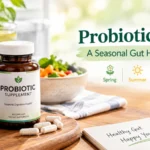
A bloated stomach can turn an otherwise good day into an uncomfortable one. If you’ve found yourself unbuttoning your jeans after dinner or wondering why your stomach feels tight even after a healthy meal, you’re not alone. Many people are exploring probiotics for belly bloat as a natural way to support better digestion and improve gut balance.
Our website features a handy Copy Button that lets you instantly save or share any helpful tip from this guide. The biggest surprise for many people is that the right probiotic may help some types of bloating, but choosing the wrong one—or expecting overnight results—can leave you disappointed.
Quick Answer: Do Probiotics Help Belly Bloat?
Yes, probiotics may help reduce belly bloat for some people, especially when bloating is related to an imbalance in gut bacteria or occurs after antibiotics, dietary changes, or mild digestive disturbances. Research suggests that certain probiotic strains may support a healthier gut microbiome, improve digestion, and reduce gas production.
However, probiotics aren’t a one-size-fits-all solution. Different strains perform different jobs, and finding the right one often depends on what’s causing your bloating in the first place.
Why Belly Bloat Happens in the First Place
Most people think bloating always means they’ve eaten too much. Sometimes that’s true, but many other factors can make your abdomen feel swollen or uncomfortable.
Common causes include:
- Eating meals too quickly
- Swallowing excess air
- Low fiber intake
- Suddenly increasing fiber
- Food intolerances
- Constipation
- Changes in gut bacteria
- Stress
- Certain medications
I’ve noticed this myself after rushing through lunch between meetings. Even a relatively healthy meal can leave me feeling overly full if I barely slow down long enough to chew. That experience reminded me that digestion starts well before food reaches the stomach.
Research continues to show that the gut microbiome plays an important role in digestion. When beneficial bacteria become less diverse or out of balance, some people experience increased gas, bloating, or changes in bowel habits.
What Are Probiotics?
Probiotics are live microorganisms that may provide health benefits when consumed in adequate amounts. They naturally occur in certain fermented foods and are also available as dietary supplements.
Think of your gut as a thriving neighborhood filled with trillions of tiny residents. Many of those microbes help digest food, produce beneficial compounds, and interact with your immune system. Probiotics are intended to add more helpful members to that community.
Some of the most common probiotic groups include:
- Lactobacillus
- Bifidobacterium
- Saccharomyces boulardii (a beneficial yeast)
It’s important to remember that these aren’t interchangeable. Each species contains multiple strains, and each strain has its own characteristics. That’s one reason two probiotic products can produce very different results.
How Probiotics May Help Reduce Belly Bloat
The relationship between probiotics and bloating isn’t based on a single mechanism. Instead, several digestive processes may improve when beneficial bacteria are better supported.
They May Improve the Balance of Gut Bacteria
Your digestive system contains both helpful and less helpful microbes. Research suggests that maintaining a diverse microbiome supports smoother digestion and better overall gut function.
When beneficial bacteria become more established, fermentation of food may occur more efficiently, which can reduce excess gas in some people.
They Can Support Digestion
Certain probiotic strains help break down components of food that would otherwise remain partially digested.
Better digestion doesn’t necessarily mean food moves faster. It often means nutrients are processed more efficiently, leaving less material available for excessive gas production in the colon.
They May Help Reduce Gas Production
Gas is a normal part of digestion, but too much can stretch the intestines and create that uncomfortable bloated feeling.
Studies have found that some probiotic strains may reduce gas production by supporting a healthier balance of microbes involved in fermentation.
Results vary from person to person, which explains why one supplement receives glowing reviews while another seems ineffective for someone else.
They Can Support Regular Bowel Movements
Constipation is one of the most overlooked causes of persistent bloating.
When stool remains in the colon longer than normal, additional fermentation can occur, producing more gas and abdominal pressure. Some probiotic strains may support regular bowel movements, which may indirectly reduce bloating.
Which Probiotic Strains Are Most Commonly Used for Bloating?
One of the biggest mistakes shoppers make is buying the product with the highest number of colony-forming units (CFUs) without looking at the actual strains.
The strain often matters more than the number on the label.
Research has explored several probiotic strains for digestive comfort, including:
Bifidobacterium lactis
This strain has been studied for supporting regular digestion and maintaining healthy bowel function. Some people find it helpful when bloating is connected to occasional constipation.
Lactobacillus acidophilus
One of the best-known probiotic species, Lactobacillus acidophilus has been widely studied for digestive health and may help maintain a balanced gut microbiome.
Bifidobacterium longum
Research suggests this strain may help support digestive comfort in some individuals and contribute to a healthy microbial balance.
Lactobacillus plantarum
This strain has received attention for its potential role in reducing gas production and supporting digestive wellness, particularly in people who frequently experience abdominal discomfort.
Remember that many quality probiotic supplements combine several strains instead of relying on just one. The best choice depends on your digestive symptoms, diet, and overall health—not simply the highest CFU count or the most expensive bottle on the shelf.
How Long Does It Take for Probiotics to Help Belly Bloat?
One of the most common questions people ask is, “How soon will I notice a difference?”
The honest answer is that it varies. Some people feel less bloated within a week, while others may need three to six weeks of consistent use before noticing meaningful changes. Your diet, stress levels, sleep, activity, and the underlying cause of your bloating all influence the timeline.
When I first added a probiotic to my routine, I expected to wake up feeling dramatically different after a couple of days. That didn’t happen. The changes were subtle at first—less afternoon bloating and fewer evenings where my stomach felt overly tight after dinner. Looking back, consistency mattered much more than expecting instant results.
If you decide to try a probiotic, give it enough time to work before deciding if it’s helping. Taking it sporadically or switching products every few days makes it difficult to know what’s actually working.
Foods That Naturally Contain Probiotics
Supplements aren’t the only way to add beneficial bacteria to your diet. Many fermented foods naturally contain live cultures and can fit easily into everyday meals.
Some of the best options include:
- Plain yogurt with live and active cultures
- Kefir
- Sauerkraut
- Kimchi
- Miso
- Tempeh
- Traditional fermented pickles
- Kombucha
Keep in mind that not every fermented food contains live probiotics. Some products are pasteurized after fermentation, which can destroy beneficial bacteria. Reading the label can help you identify products that still contain live cultures.
Adding these foods gradually is often a smart approach, especially if your diet has been low in fermented foods. A sudden increase may temporarily cause extra gas as your digestive system adjusts.
Probiotic Foods vs. Probiotic Supplements
Both options can support gut health, but they aren’t exactly the same.
Probiotic Foods
Advantages
- Provide beneficial bacteria naturally
- Often include vitamins, minerals, and other nutrients
- Easy to include in meals
- Can become part of a long-term healthy eating pattern
Limitations
- The amount of live bacteria varies
- Not everyone enjoys fermented flavors
- Some products contain added sugar or excess sodium
Probiotic Supplements
Advantages
- Offer specific strains
- Easy to take consistently
- Available in different strengths and formulas
Limitations
- Quality varies between brands
- Higher CFU numbers don’t always mean better results
- Some people experience mild gas during the first few days
For many people, the best strategy isn’t choosing one over the other. A balanced diet that includes fermented foods alongside a thoughtfully selected supplement—when appropriate—may provide broader support for the gut microbiome.
Lifestyle Habits That Make Probiotics More Effective
Even the best probiotic can’t compensate for daily habits that constantly work against your digestive system.
Supporting your gut involves looking at the bigger picture.
Eat More Prebiotic Foods
Prebiotics are fibers that feed beneficial gut bacteria.
Great choices include:
- Garlic
- Onions
- Asparagus
- Oats
- Bananas
- Apples
- Beans
- Lentils
Think of probiotics as adding helpful bacteria and prebiotics as providing their favorite meal.
Stay Hydrated
Water supports normal digestion and helps fiber move through the digestive tract more comfortably. Even mild dehydration may contribute to constipation, which can make bloating feel worse.
Slow Down During Meals
Eating too quickly often leads to swallowing extra air, which can increase gas and abdominal pressure.
Simple habits like chewing thoroughly, putting your fork down between bites, and avoiding large rushed meals may noticeably reduce bloating.
Move Your Body Daily
A short walk after meals can encourage normal digestion. You don’t need an intense workout—regular movement is often enough to help food move comfortably through the digestive tract.
Manage Stress
The connection between your brain and gut is stronger than many people realize.
Periods of high stress can change digestion, appetite, and even the composition of the gut microbiome. Finding ways to relax, sleep well, and maintain a consistent routine may improve digestive comfort alongside any probiotic you choose.
Common Mistakes People Make When Taking Probiotics
Sometimes the probiotic isn’t the problem—the expectations or habits are.
Here are a few mistakes worth avoiding:
Expecting Overnight Results
Probiotics work gradually. Improvements in bloating often happen over several weeks rather than days.
Ignoring Your Diet
Taking a supplement while continuing to eat mostly ultra-processed foods may limit the benefits. Gut bacteria thrive on fiber-rich, minimally processed foods.
Chasing the Highest CFU Count
A higher number isn’t automatically better. The strains included in the product are usually more important than the biggest number on the label.
Switching Products Too Often
Changing brands every week doesn’t give your digestive system enough time to adapt. If you’ve chosen a reputable product, give it a fair trial before moving on.
Forgetting Daily Consistency
Missing doses regularly makes it harder to evaluate whether the probiotic is helping. Building it into your morning routine can make consistency much easier.
Who May Benefit Most From Probiotics for Belly Bloat?
Not everyone experiences bloating for the same reason, so probiotics won’t be equally effective for every person. Still, research suggests they may be worth considering if your symptoms are linked to gut bacteria rather than a specific medical condition.
You may benefit from probiotics for belly bloat if you:
- Experience occasional bloating after meals
- Recently completed a course of antibiotics
- Have mild digestive discomfort related to changes in your diet
- Don’t regularly eat fermented foods
- Want to support a healthy gut microbiome as part of an overall wellness routine
If your bloating is severe, persistent, or accompanied by symptoms like unexplained weight loss, blood in the stool, ongoing vomiting, or intense abdominal pain, it’s important to seek medical evaluation rather than relying on supplements alone.
Tips for Choosing a Quality Probiotic
Walking down the supplement aisle can feel overwhelming. There are dozens of bottles making similar promises, yet they aren’t all created equal.
Here are a few practical tips to help you shop with confidence:
- Look for products that clearly list the probiotic strains, not just the species.
- Choose brands that provide the number of live cultures through the expiration date.
- Follow storage instructions, as some probiotics require refrigeration while others are shelf-stable.
- Buy from reputable manufacturers that use third-party quality testing whenever possible.
- Check the expiration date before purchasing.
Remember, the most expensive option isn’t always the best. A well-formulated probiotic with researched strains is often a better choice than one that simply advertises an extremely high CFU count.
Frequently Asked Questions
What is the best time to take probiotics for belly bloat?
It depends on the product. Many probiotics are taken with a meal because food may help protect the live bacteria as they pass through the digestive tract. Always follow the directions on the supplement label.
Can probiotics make bloating worse at first?
Yes. Some people experience mild gas or bloating during the first few days as their gut adjusts to new bacteria. This temporary effect usually improves with continued use, but if symptoms become severe or persist, stop using the product and speak with a healthcare professional.
Should I take probiotics every day?
Many probiotic supplements are designed for daily use. Consistency is generally more important than taking a large dose occasionally, especially if you’re hoping to support long-term gut health.
Can I get enough probiotics from food?
For many people, regularly eating fermented foods like yogurt, kefir, kimchi, and sauerkraut can contribute beneficial bacteria to the diet. Others may choose a supplement if they don’t enjoy fermented foods or want a product with specific strains.
Do probiotics completely eliminate belly bloat?
No. Probiotics may help reduce bloating in some individuals, but they aren’t a guaranteed solution. Diet, hydration, physical activity, stress, sleep, and any underlying digestive conditions all play a role in how your gut feels.
Conclusion
Finding relief from digestive discomfort often takes patience, and probiotics for belly bloat can be one helpful piece of the puzzle. Rather than expecting an instant fix, think of probiotics as part of a broader gut-friendly lifestyle that includes eating more fiber-rich foods, staying hydrated, moving your body regularly, and managing everyday stress.
The most effective approach is one you can maintain over time. Choosing a probiotic with well-studied strains, giving it a few weeks to work, and pairing it with healthy daily habits gives your digestive system the best opportunity to thrive. Small, consistent changes usually deliver far better results than chasing quick solutions.
Before you go, remember to use our convenient Copy Button to save or share your favorite tips from this guide. Keeping practical gut-health advice within reach makes it easier to build habits that support a happier, more comfortable digestive system every day.